
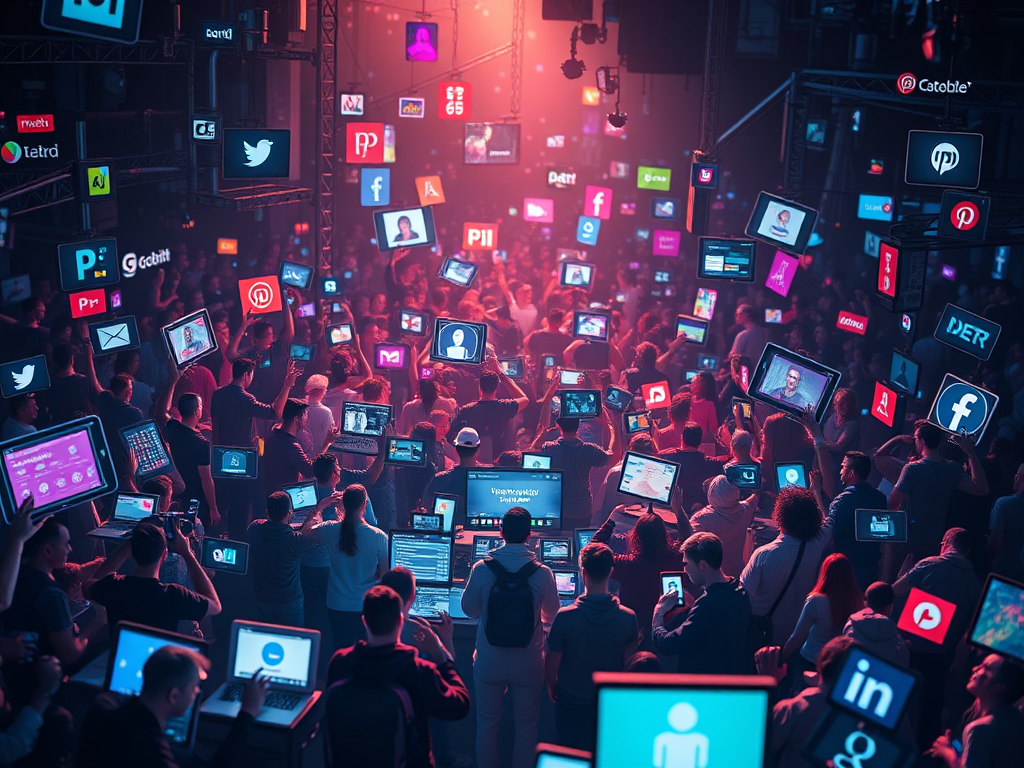

Welcome to the Wild West of Brand Influence
Marketing used to be about control. Controlling the message. Controlling the channel. Controlling the brand. But those days are long gone. Today, the most influential conversations about your brand aren’t happening in your boardroom or your ad campaigns — they’re happening in group chats, on Reddit, inside Discord servers, and increasingly, through content that was never sanctioned or created by your team. Welcome to the world of Shadow Marketing.
Shadow marketing is the growing ecosystem of unofficial brand communities and AI-generated content that influence perception, behavior, and buying decisions. It’s powerful, unpredictable, and often invisible to traditional analytics. And it’s rewriting the rules of engagement.
This post builds on ideas we explored in Bringing Back Common Sense to Digital Marketing, where we argued for a more human-centered approach to marketing. Here, we look at what happens when marketers lose control completely — and why that might actually be a good thing.
From Campaigns to Chaos: What Marketers No Longer Control
Your brand lives wherever people talk about it. And those conversations now happen everywhere but your official channels. Unofficial Facebook groups, TikTok remixes, Slack communities, and even fan-made Reddit AMAs are now core parts of your brand ecosystem.
What’s more, these communities often drive more authentic engagement than your polished, paid campaigns. They create feedback loops, amplify brand stories, and sometimes, shape your product roadmap without your input.
As we explored in Mastering Cold Emailing with AI, outbound channels give you structure and control. But shadow communities thrive on chaos, speed, and spontaneity. The marketing playbook for these spaces is less about messaging and more about listening.
The AI Factor: Generative Content Without the Brand’s Permission
Now add AI to the mix.
AI tools are enabling users to generate fake ads, product mockups, parodies, or even full-blown influencer simulations — all using your brand as inspiration. Sometimes it’s flattering. Sometimes it’s funny. And sometimes, it’s dangerous.
Consider the TikTok trend where AI-generated influencers promote fake products that never existed. Or the surge of Midjourney images showing luxury brands in absurd scenarios. None of it is official. All of it affects how your brand is perceived.
This is where things get tricky. AI enables creativity at scale, but also misinformation at speed. Brands must develop frameworks to monitor, respond, and (when appropriate) embrace these expressions. The same tools we discussed in The Future of Paid Ads can be used to track these trends across social and search environments.
Case Studies: When the Crowd Speaks Louder Than the Brand
Let’s look at some real-world examples of shadow marketing at work:
- Duolingo on TikTok: Their unofficial community leaned into humor and absurdity before the brand fully embraced it. Now their mascot is a meme legend, but it started with user-driven chaos.
- GameStop on Reddit: A bunch of Redditors turned a stock into a cultural movement. No amount of corporate messaging could replicate that kind of traction.
- Tesla’s Unpaid Evangelists: From YouTubers to Twitter threads, the most effective Tesla marketing often comes from fans, not the company itself.
- Fake Coca-Cola Ads Using AI: A Midjourney user created retro-style Coke ads that went viral, generating more buzz than many real campaigns.
These moments weren’t scripted, and they weren’t approved. But they were wildly effective.
What Smart Brands Are Doing Now
The best brands aren’t fighting this shift. They’re embracing it.
Here’s how:
- Community Listening: Tools like Brandwatch and SparkToro help identify where these unofficial conversations are happening.
- Content Remixing: Some brands now encourage fans to remix content, offering raw assets or templates.
- Partnerships with Creators: Instead of controlling influencers, brands are collaborating with community leaders who already have authenticity.
- Rapid Response Teams: Social media teams trained to respond in real-time with humor, humility, or helpfulness.
As highlighted in The Role of AI in Content Marketing, AI isn’t just for creating content — it’s also your best friend for listening at scale.
Your Strategy: Guiding the Chaos Without Crushing It
If you’re a marketing leader wondering how to navigate this, here are some action items:
- Build a Community Response Framework: Define how your team engages with unofficial content. When do you jump in? When do you step back?
- Create a Culture Playbook: Document your brand’s voice, humor, and tolerance for parody. Make sure everyone is aligned.
- Involve Legal Early: Proactively consult your legal team on how to manage copyright, impersonation, or misinformation issues.
- Reward Grassroots Creators: Highlight the best of unofficial content. Showcase it. Reward it. Encourage it.
- Experiment Internally: Use AI tools to simulate what the community might create. Beat them to the punch or collaborate with them.
This is about influence, not control.
Final Thoughts: The Future of Influence Is Unofficial
Shadow marketing isn’t a threat. It’s a wake-up call. Brands no longer own their narrative — they co-create it with communities, creators, and algorithms.
Instead of resisting, marketers should lean into this messy, vibrant world. The future belongs to brands that are confident enough to let go, smart enough to listen, and humble enough to share the spotlight.
As we concluded in Why AI Will Never Replace Smart Humans in Marketing, technology is a tool. But trust is the asset. And in this new era, trust often starts in the shadows.


 Marketing Unplugged
Leave a Reply