


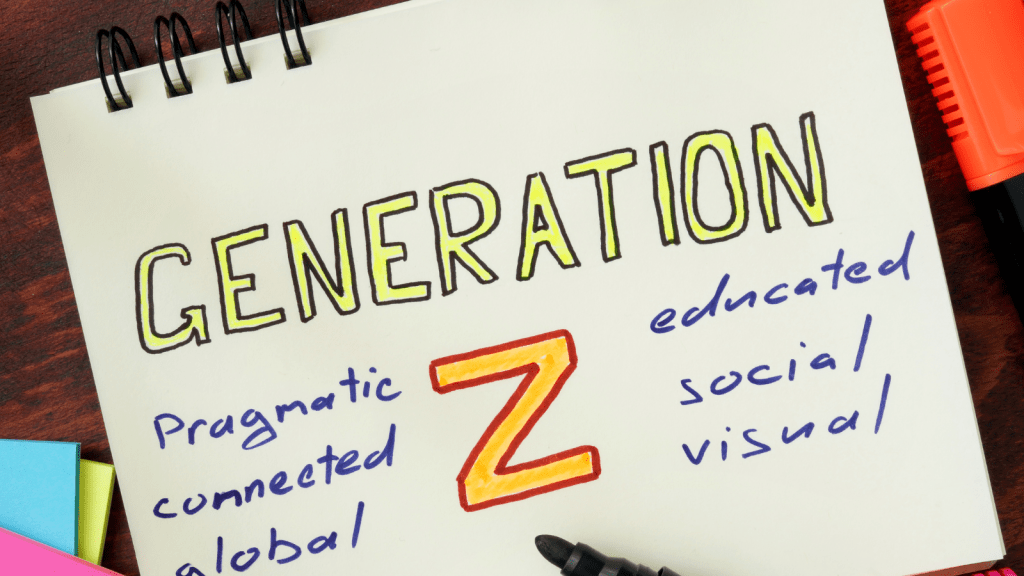
Generation Z, born between 1996 and 2010, is the most diverse and connected generation in history. They are also known as iGen, Centennials, or Plurals, and have different values, priorities, and expectations than previous generations. Gen Z grew up with technology at their fingertips and have never known a world without it. As a result, they have a unique relationship with technology that has shaped how they consume content, interact with brands as consumers, and expect companies to communicate with them.
Who is Gen Z?
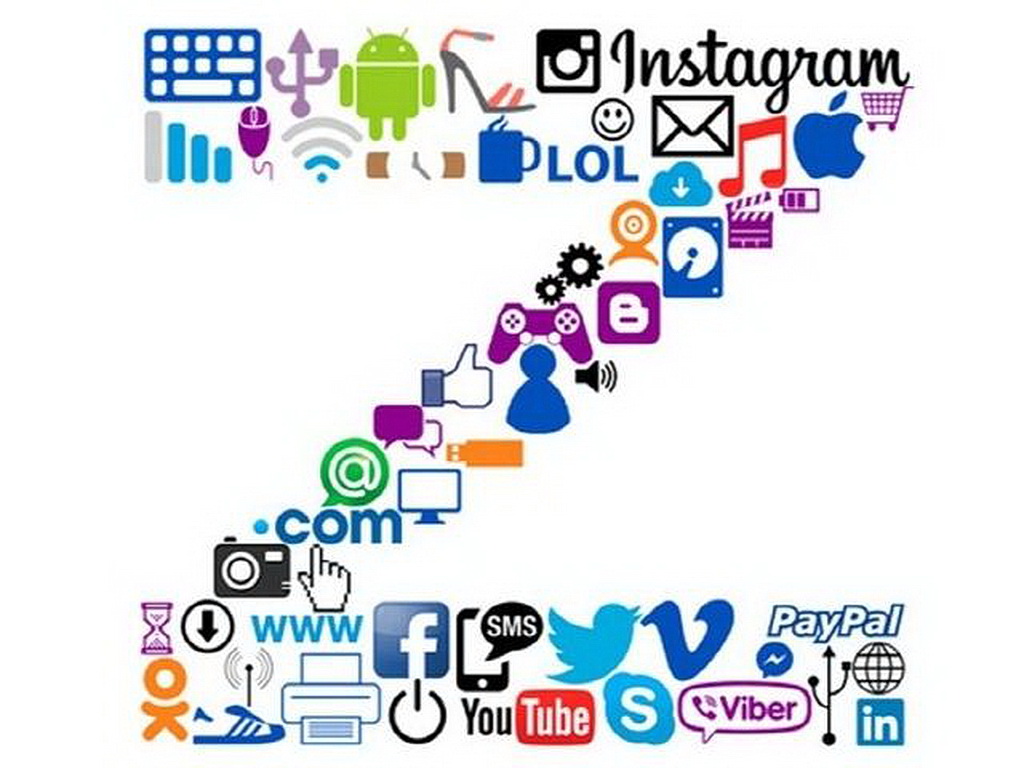
Gen Z is the first generation to grow up entirely in the digital age, and their relationship with technology is different from that of previous generations. They are more likely than their predecessors or successors to go online daily and spend more time on social media than any other age group. They prefer texting over talking on the phone, and they use voice assistants like Siri or Alexa regularly. Gen Z is a digital native group that has grown up in a world where they’re constantly connected to their friends, family, and the rest of the world via mobile devices and social media platforms like Instagram or Snapchat.
This constant connection has shaped how they consume content and interact with brands as consumers. The role of mobile devices in Gen Z’s daily life is significant. They spend an average of three hours per day on their phones, which is more than the time spent watching TV, listening to music, or reading newspapers/magazines. Gen Z is used to having constant access to information, entertainment, and communication, which has led them to have different expectations when it comes to marketing.

The Impact of Gen Z on Marketing
Gen Z is a generation of digital natives who have grown up with technology and social media. They are used to constant access to information, entertainment, and communication. As such, they have a different approach to marketing than older generations. Gen Z is more likely than other generations to consider brands as friends or peers rather than just companies trying to sell. This means that Gen Z consumers expect brands not only to offer products or services they need but also to be authentic in communication with them.
One of the significant impacts of Gen Z on marketing is the expectation of authenticity. Gen Z consumers are savvy and can quickly determine when a brand is not being genuine. They want to see companies be transparent about controversial topics such as diversity or social responsibility issues within the company itself. Companies that make an effort to show their commitment to social causes and values that align with Gen Z’s values are more likely to gain their trust and loyalty.
Another impact is the emphasis on personalization. Gen Z consumers expect a personalized experience when interacting with brands. They want to see products and services tailored to their individual preferences and needs. This expectation has led to an increase in data collection and analysis by companies to better understand their customers and provide personalized experiences.

Gen Z and Technology
Gen Z’s relationship with technology is different than that of previous generations. They grew up in a world where they are constantly connected to their friends, family, and the rest of the world via mobile devices and social media platforms like Instagram or Snapchat. This constant connection has shaped how they consume content and interact with brands as consumers.
The role of mobile devices in Gen Z’s daily life is significant. They spend an average of three hours per day on their phones, which is more than the time spent watching TV, listening to music, or reading newspapers/magazines. Gen Zers expect brands to be available on their phones as well, and mobile marketing has become increasingly important for brands. It allows them to reach customers in real time with personalized messages that are relevant and interesting.
One of the significant impacts of technology on Gen Z is the shift in how they consume content. With the rise of social media, Gen Z is more likely to consume short-form content like videos, memes, and infographics than longer-form content like articles or books. They also prefer content that is easily shareable and interactive. Brands that can create engaging and shareable content on social media are more likely to resonate with Gen Z.
The Role of Social Media
Social media is an essential component of the Gen Z marketing strategy. This generation is accustomed to consuming content on social media platforms, so it’s no surprise that they expect brands to be there too. To create engaging content for your brand on these platforms, you need to understand your audience and what they want from you.
Social media is also an excellent tool for building brand awareness and loyalty. Brands that can create a strong social media presence and engage with their followers have the potential to build a community of loyal customers. This community can help spread the word about your brand and even defend it against the negative feedback.
However, social media can also be a double-edged sword. Brands that are not authentic or transparent can quickly be called out by Gen Z consumers on social media platforms. This can lead to a negative impact on the brand’s reputation and even result in a boycott by Gen Z consumers. Therefore, it’s crucial for brands to be transparent, authentic, and engaging on social media platforms.
One of the significant impacts of social media on Gen Z is the rise of influencer marketing. Influencers are individuals who have a significant following on social media platforms and can influence their followers’ purchasing decisions. Gen Z consumers are more likely to trust influencers than traditional advertising, making influencer marketing an effective strategy for reaching this demographic.

The Role of Video
A video is an effective tool for engaging Gen Z. They’re more likely than other generations to watch online videos and use social media platforms like YouTube and Instagram. When creating video content for Gen Z, keep the following tips in mind:
Firstly, make sure your videos are short (under five minutes) and have an easily digestible format. Gen Z has a shorter attention span, and they prefer content that is quick and easy to consume.
Secondly, use humor or other creative elements that appeal to this demographic’s sense of humor. Gen Z consumers enjoy the content that is entertaining and funny.
Thirdly have a clear call at the end of each video so viewers know what you want them to do next. This could be signing up for a newsletter or following your brand on social media.
Fourthly, consider using interactive elements in your video content. Gen Z consumers enjoy the content that is engaging and interactive.
Lastly, make sure your video content is optimized for mobile devices. Gen Z consumers are more likely to consume content on their phones, so it’s essential to ensure that your video content is easily viewable on mobile devices.
Conclusion
Gen Z is a unique generation that has grown up with technology at their fingertips and has never known a world without it. They have different values, priorities, and expectations than previous generations, which can help marketers create more meaningful relationships with this audience and make their brands more relevant to them.
The impact of Gen Z on marketing strategies is significant. Brands that take the time to understand this generation and adapt their strategies will be able to connect with them in a way that resonates with them both now and in the future. As marketers, we need to embrace change and adapt our strategies accordingly to stay relevant and effective in reaching this new generation of consumers.
To effectively reach Gen Z, brands need to prioritize authenticity, personalization, social media presence, and video content. By doing so, they can build a community of loyal customers who will champion their brand and help spread the word about their products or services.


 Marketing Unplugged
Leave a reply to The Multiverse of Marketing in 2023: Gen Z, Millenials, and the Baby Boomer – Charles Lange Cancel reply