


Neuroscience in marketing refers to the application of principles and techniques from neuroscience and cognitive psychology to the field of marketing. It involves the use of brain imaging, biometrics, and other methods to understand how consumers perceive, process, and respond to marketing stimuli. The goal of neuroscience in marketing is to provide insights into consumer behavior and decision-making processes, with the ultimate aim of improving marketing strategies and campaigns. This can include optimizing the design of products, packaging, and advertising, as well as tailoring marketing messages to better resonate with target audiences. By incorporating findings from neuroscience, marketers can gain a deeper understanding of consumer behavior and create more effective marketing initiatives.
The relevance of neuroscience in marketing lies in its ability to provide marketers with a deeper understanding of consumer behavior and decision-making processes. By using brain imaging, biometrics, and other methods, neuroscience in marketing offers valuable insights into how consumers perceive, process, and respond to marketing stimuli.
This information can then be used to improve marketing strategies and campaigns. For example, neuroscience research has shown that certain colors, shapes, and images can elicit emotional responses in consumers, which can be leveraged by marketers to create more effective advertisements. Additionally, neuroscience can help marketers better understand the role of emotions in purchasing decisions and how to create positive emotional connections with consumers.
Moreover, with the increasing use of digital technologies in marketing, neuroscience provides a way to better understand how consumers interact with online media and how to create more engaging online experiences.
In short, by incorporating findings from neuroscience, marketers can gain a competitive advantage by creating more effective and efficient marketing initiatives that better resonate with target audiences.
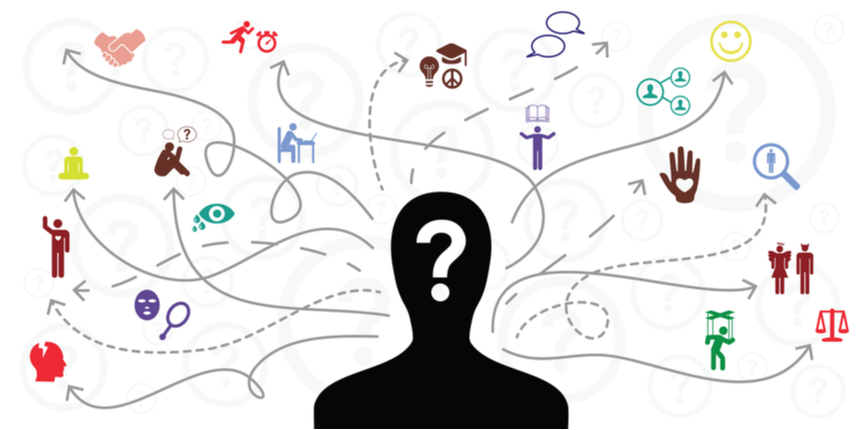
Understanding the Consumer Brain
The human brain processes information through a series of interconnected networks that work together to create our thoughts, feelings, and behaviors. The process begins with the sensory cortex, which receives information from our senses (such as sight, sound, and touch) and converts it into electrical signals that can be processed by the brain. These signals are then sent to the primary sensory areas, where they are analyzed and interpreted.
Next, the information is sent to the associative cortex, where it is integrated with other related information, such as memories and emotions. This integration allows the brain to make sense of the information and create meaning from it.
Finally, the information is sent to the frontal cortex, which is responsible for decision-making and action planning. This is where information is evaluated and a response is generated, such as taking an action or making a decision.
It’s important to note that this information processing occurs in a highly complex and interconnected network of brain regions, and that different areas of the brain may be more active for different tasks or stimuli. This is why understanding how the brain processes information is key to unlocking insights into consumer behavior and decision-making.
How neuroscience can help marketers understand consumer behavior
Neuroscience can help marketers understand consumer behavior by providing insights into how the brain processes and responds to marketing stimuli. By using techniques such as brain imaging and biometrics, marketers can measure the activity in different regions of the brain as consumers engage with products, advertisements, or other marketing materials. This information can then be used to gain a deeper understanding of how consumers perceive, process, and respond to marketing messages.
For example, by using functional magnetic resonance imaging (fMRI), marketers can see which areas of the brain are active when consumers view advertisements or engage with products. This information can then be used to identify which aspects of a marketing message are most effective in eliciting a response from consumers.
Similarly, by using eye-tracking, marketers can gain insights into what aspects of a product or advertisement capture consumers’ attention and which do not. This information can be used to optimize the design of advertisements, packaging, and products to better engage consumers.
Overall, by using neuroscience in marketing, marketers can gain a more nuanced understanding of consumer behavior, which can then be used to improve marketing strategies and create more effective campaigns. This can lead to increased sales and improved customer engagement, as well as deeper insights into the underlying mechanisms of consumer behavior.
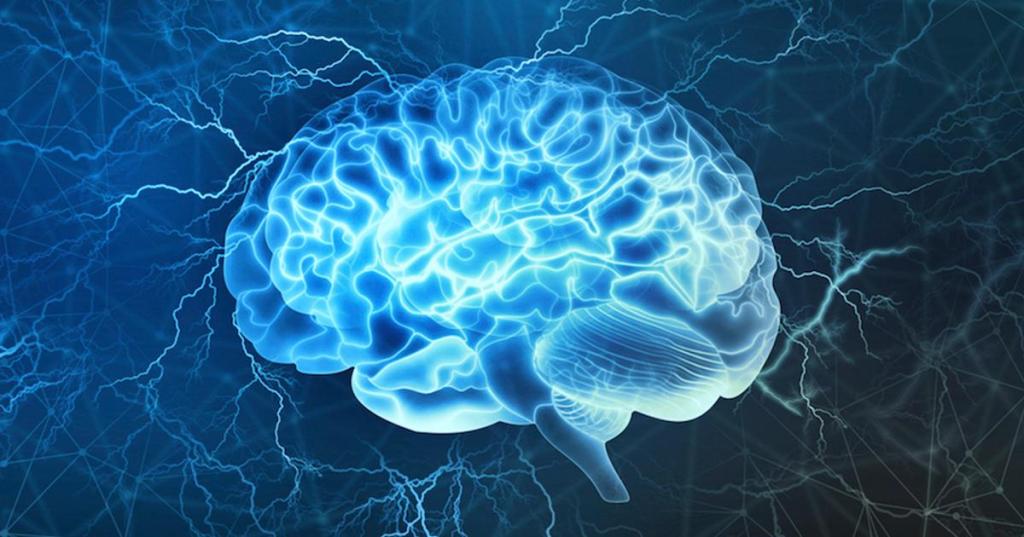
Techniques Used in Neuroscience Marketing
fMRI and EEG
Functional magnetic resonance imaging (fMRI) and electroencephalography (EEG) are two commonly used brain imaging techniques in neuroscience marketing research.
fMRI is a non-invasive technique that measures changes in blood flow to different regions of the brain. It works by using a strong magnetic field to create images of the brain and track the movement of oxygenated and deoxygenated blood in response to a task or stimulus. This information can then be used to identify which regions of the brain are most active during a particular task, such as viewing an advertisement or engaging with a product.
EEG, on the other hand, is a non-invasive technique that measures electrical activity in the brain. It works by placing electrodes on the scalp to record the electrical signals generated by the brain. This information can then be used to create a brainwave pattern, which can provide insights into brain activity and function. EEG is often used in neuroscience marketing research to study consumer reactions to advertising and other marketing stimuli, as well as to measure attention and engagement levels.
Both fMRI and EEG have their own strengths and limitations, and the choice of technique depends on the research question and the specific goals of the study. By using these and other brain imaging techniques, marketers can gain insights into consumer behavior and decision-making processes, and use this information to create more effective marketing campaigns.
Biometric techniques, such as eye-tracking and facial coding
Biometric techniques are also commonly used in neuroscience marketing research to study consumer behavior. Two popular biometric techniques are eye-tracking and facial coding.
Eye-tracking is a technique that measures where and for how long a person is looking. This can be done by using a device that tracks the movement of the eyes and records the gaze direction. In marketing research, eye-tracking is often used to study consumer attention and engagement levels. For example, eye-tracking can be used to identify which parts of an advertisement or product capture a consumer’s attention, and which do not. This information can then be used to optimize the design of advertisements, packaging, and products to better engage consumers.
Facial coding, on the other hand, is a technique that uses software to analyze facial expressions in response to a stimulus. This technique works by tracking changes in facial muscle activity, such as the movement of the eyebrows, mouth, and eyes, in response to a task or stimulus. Facial coding is often used in marketing research to study consumer emotions, such as happiness, sadness, surprise, and anger, in response to advertising and other marketing stimuli. This information can then be used to create advertisements and marketing campaigns that better resonate with consumers and evoke the desired emotional response.
Both eye-tracking and facial coding are non-invasive techniques that can provide valuable insights into consumer behavior and decision-making processes. By using these and other biometric techniques, marketers can gain a more nuanced understanding of how consumers perceive, process, and respond to marketing messages.
Other methods, such as neurolinguistic programming and implicit association tests
In addition to brain imaging techniques and biometric techniques, there are several other methods used in neuroscience marketing research. Two such methods are neurolinguistic programming (NLP) and implicit association tests (IAT).
Neurolinguistic programming (NLP) is a method that focuses on the relationship between language, behavior, and the brain. It is based on the idea that language can shape thoughts and emotions, and that by changing the way language is used, thoughts and emotions can be changed as well. In marketing research, NLP is often used to study how language and framing can influence consumer behavior and decision-making. For example, NLP can be used to study how the language used in an advertisement can influence the emotional response of consumers, or how framing a product in a certain way can influence purchasing decisions.
Implicit association tests (IAT) are a type of psychology test that measures unconscious biases and attitudes. They work by measuring the time it takes for a person to associate a particular word or image with a particular category. In marketing research, IATs are often used to study consumer attitudes and preferences, as well as to identify potential biases in decision-making processes. For example, IATs can be used to study consumer attitudes towards different brands, products, or marketing messages.
Both NLP and IAT can provide valuable insights into consumer behavior and decision-making processes, and can complement other methods used in neuroscience marketing research. By using a combination of these and other methods, marketers can gain a more comprehensive understanding of how consumers perceive, process, and respond to marketing messages, and use this information to create more effective marketing campaigns.

Applications of Neuroscience in Marketing
How neuroscience can be used to optimize marketing messages and packaging
One of the main applications of neuroscience in marketing is to optimize marketing messages and packaging. By using brain imaging techniques, biometric techniques, and other methods, marketers can gain insights into how consumers perceive, process, and respond to different marketing messages and packaging designs. This information can then be used to create marketing messages and packaging that are more engaging, memorable, and persuasive.
For example, by using eye-tracking to study how consumers view an advertisement or product packaging, marketers can identify which parts of the design capture the most attention and which do not. This information can then be used to optimize the design and layout of advertisements and packaging to better engage consumers and increase their attention and engagement levels.
Similarly, by using brain imaging techniques to study consumer responses to different marketing messages, marketers can identify which messages are most effective at evoking the desired emotional response. This information can then be used to create more effective marketing messages that resonate better with consumers and increase the likelihood of a purchase.
By using biometric techniques, such as facial coding, to study consumer emotions in response to different marketing messages and packaging, marketers can identify which messages and packaging designs evoke the strongest emotional response. This information can then be used to create more impactful and memorable marketing campaigns that better resonate with consumers and increase the likelihood of a purchase.
Using neuroscience in marketing, marketers can gain valuable insights into consumer behavior and decision-making processes, and use this information to create more effective marketing messages and packaging.
How brands can use sensory branding to create emotional connections with consumers
Another application of neuroscience in marketing is sensory branding, where brands use sensory cues such as sound, smell, touch, and taste to create emotional connections with consumers. By using sensory branding, brands can create a more memorable and impactful brand experience that evokes strong emotions and enhances consumer engagement.
For example, a brand can use a distinctive scent in its stores or on its products to create an emotional connection with consumers. The scent can evoke feelings of comfort, familiarity, and happiness, and can help to create a stronger association between the brand and these positive emotions.
Similarly, a brand can use music in its advertisements and store environments to create an emotional connection with consumers. The right music can evoke emotions such as excitement, happiness, or calmness, and can help to create a more memorable and impactful brand experience.
Sensory branding can also be used to create a unique brand identity by using unique textures, shapes, and colors in product packaging and design. For example, a brand can use a unique texture or shape on its products to create a distinctive look and feel, and to differentiate its products from competitors.
By using sensory branding, brands can create emotional connections with consumers that are more difficult for competitors to imitate, and that can lead to increased consumer engagement, brand loyalty, and sales. By incorporating neuroscience research into their sensory branding strategies, brands can better understand how different sensory cues impact consumer emotions and behavior, and can create more effective sensory branding campaigns.
Overview of how neuroscience can inform product design decisions
Neuroscience can also inform product design decisions by providing insights into how consumers perceive, process, and respond to different product features and designs. By incorporating these insights into product design, brands can create products that are more appealing, functional, and memorable to consumers.
For example, by using eye-tracking to study how consumers view a product, brands can identify which features are most noticeable and which are not. This information can then be used to optimize the design and placement of product features to better engage consumers and increase their attention and interest.
Similarly, by using brain imaging techniques to study consumer responses to different product designs, brands can identify which designs evoke the strongest emotional response. This information can then be used to create product designs that resonate better with consumers and increase the likelihood of a purchase.
In addition, by using biometric techniques, such as facial coding, to study consumer emotions in response to different product designs, brands can identify which designs evoke the strongest emotional response. This information can then be used to create products that evoke positive emotions and create a more impactful and memorable brand experience.
By using neuroscience in product design, brands can create products that are more appealing, functional, and memorable to consumers. This can lead to increased consumer engagement, brand loyalty, and sales, and can give brands a competitive advantage in the marketplace.

Ethics and Limitations of Neuroscience in Marketing
Ethical considerations surrounding the use of brain data in marketing
The use of neuroscience in marketing raises several ethical considerations, including privacy, informed consent, and the potential misuse of brain data.
One of the main ethical concerns surrounding the use of brain data in marketing is privacy. Consumers may not be aware that their brain data is being collected, analyzed, and used for marketing purposes, and may not have consented to this use of their personal information.
Informed consent is also an important ethical consideration. Consumers should be fully informed about the nature and purpose of the brain data collection, and should have the opportunity to opt-out or refuse to participate if they choose.
Another ethical concern is the potential misuse of brain data. For example, brain data could be used to manipulate consumer behavior or to create biased or discriminatory marketing campaigns. It is important for marketers to use brain data in a responsible and ethical manner, and to be transparent about their data collection and analysis methods.
In addition, it is important to note that the limitations and limitations of brain imaging techniques, such as fMRI and EEG, must be taken into account when using neuroscience in marketing. These techniques have limitations in terms of spatial and temporal resolution, and may not provide a complete picture of consumer behavior and emotions.
While neuroscience has the potential to provide valuable insights into consumer behavior and inform marketing strategies, it is important for marketers to be mindful of the ethical considerations and limitations of these techniques, and to use brain data in a responsible and transparent manner.
Limitations of neuroscience in marketing and the need for caution when interpreting results
The limitations of neuroscience in marketing and the need for caution when interpreting results are important to consider. Some of the key limitations and limitations of using neuroscience in marketing include:
- Complexity of the brain: The brain is a complex and dynamic system, and it is difficult to fully understand how it processes information and influences behavior.
- Limited spatial and temporal resolution: Brain imaging techniques, such as fMRI and EEG, have limitations in terms of spatial and temporal resolution, and may not provide a complete picture of consumer behavior and emotions.
- Small sample sizes: Many neuroscience studies in marketing use small sample sizes, which can limit the generalizability of the results.
- Lack of causality: Neuroscience studies often provide correlations between brain activity and consumer behavior, but it is difficult to establish causality and determine whether the brain activity is causing the behavior or vice versa.
- Individual variability: Consumers have unique brains and unique patterns of brain activity, and it is difficult to account for individual variability in neuroscience studies.
- Confounds and biases: Neuroscience studies in marketing may be subject to confounds and biases, such as demand effects and placebo effects, which can influence the results.
Therefore, it is important for marketers to be cautious when interpreting the results of neuroscience studies in marketing, and to consider the limitations and limitations of these techniques. Additionally, it is important to use multiple methods and techniques to validate the findings, and to be transparent about the methods and results of the study.
While neuroscience has the potential to provide valuable insights into consumer behavior and inform marketing strategies, it is important for marketers to be mindful of the limitations and limitations of these techniques, and to use brain data in a responsible and transparent manner.
Conclusion
In conclusion, the use of neuroscience in marketing is a growing field that aims to use brain data to better understand consumer behavior and inform marketing strategies. Neuroscience in marketing uses techniques such as brain imaging, biometrics, and neurolinguistic programming to gather data about consumer behavior and emotions.
Some of the applications of neuroscience in marketing include optimizing marketing messages and packaging, creating emotional connections with consumers through sensory branding, and informing product design decisions.
However, there are also several ethical considerations and limitations to using neuroscience in marketing, including privacy, informed consent, the potential misuse of brain data, limitations in brain imaging techniques, and the need for caution when interpreting results.
Overall, while neuroscience in marketing has the potential to provide valuable insights into consumer behavior, it is important for marketers to use these techniques responsibly and transparently, and to consider the limitations and limitations of the field.
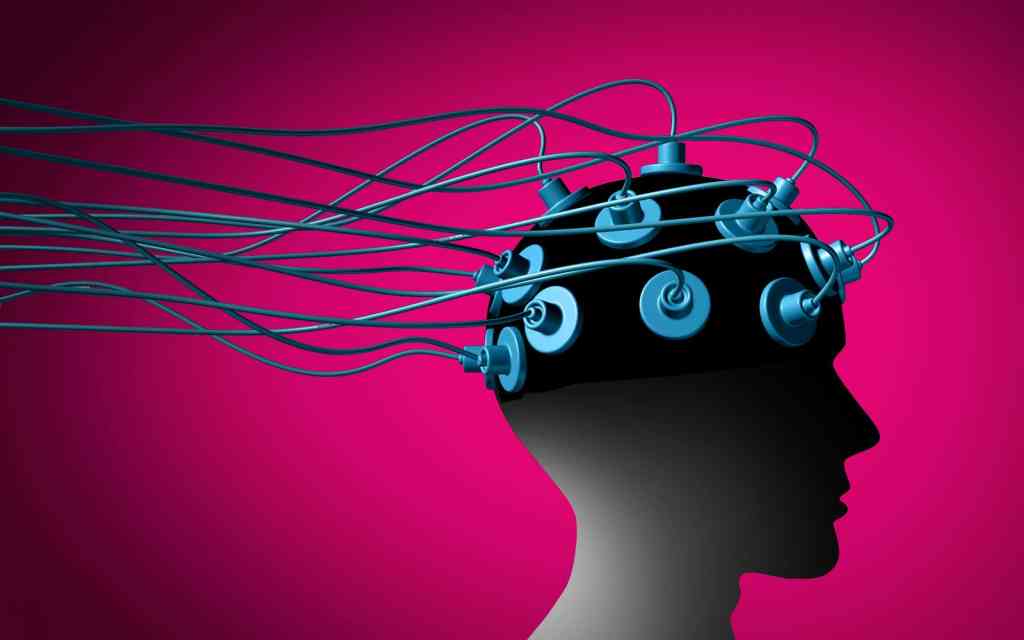
Final thoughts on the future of neuroscience in marketing
The future of neuroscience in marketing looks promising, as the field continues to grow and develop. With advancements in brain imaging technology, data analysis methods, and our understanding of the brain and behavior, it is likely that neuroscience will play an increasingly important role in marketing in the years to come.
However, it is important for the field to continue to evolve in a responsible and ethical manner, taking into account privacy concerns, informed consent, and the limitations of the techniques.
As consumers become more aware of the use of neuroscience in marketing, it will be important for marketers to be transparent about the methods and results of their studies, and to use brain data in a responsible and ethical manner.
Overall, the future of neuroscience in marketing looks bright, and it is likely that this field will play an increasingly important role in shaping our understanding of consumer behavior and informing marketing strategies in the years to come.


 Marketing Unplugged
Leave a reply to The Role of Neuro-Marketing in Understanding Consumer Behavior Cancel reply