


Picture this: You’re sitting in a room filled with people from different backgrounds, each bringing a unique set of experiences, perspectives, and ideas to the table. There’s a palpable energy in the air, as conversations spark and connections are made. This is the magic of a truly diverse and inclusive workplace, and it’s the foundation upon which creativity and business success are built.
In today’s fast-paced, ever-changing world, diversity and inclusion have transformed from mere buzzwords to essential components of a thriving organization. Companies that recognize and embrace this reality are better positioned to navigate the complexities and challenges of the modern business landscape. As a matter of fact, diversity and inclusion have become the secret sauce for success in an increasingly interconnected and competitive global economy.
As you read this article, imagine yourself as a participant in that vibrant room filled with diverse individuals. Envision the boundless possibilities that arise when we bring together people with different perspectives, experiences, and insights. The aim of this article is to illustrate the immense value of diversity and inclusion, and to provide a roadmap for fostering an inclusive workplace that drives creativity and business success.
We’ll embark on this journey by exploring the myriad benefits of diversity and inclusion, highlighting the ways in which they contribute to innovation, problem-solving, financial performance, and employer branding. Along the way, we’ll share relatable commentaries and real-life examples from smaller, lesser-known companies that have successfully harnessed the power of diversity and inclusion.
But we won’t shy away from addressing the challenges and obstacles that businesses face in their quest to create a truly inclusive environment. We’ll confront issues like unconscious bias, stereotypes, communication barriers, and resistance to change, offering insights and solutions to help overcome these hurdles.
Finally, we’ll outline a series of strategies and best practices for creating a diverse and inclusive workplace, covering everything from recruitment and hiring to employee development and advancement, fostering an inclusive culture, and measuring and tracking progress.
So, let’s begin our exploration of the fascinating world of diversity and inclusion, and discover how these key ingredients can unlock the creativity and drive the success of businesses large and small. Let’s step into that vibrant room and witness the magic firsthand.

The business case for Diversity and Inclusion
As we embark on this journey to understand the value of diversity and inclusion, let’s take a closer look at the compelling business case that supports these principles. We’ll explore how diversity and inclusion lead to increased innovation and creativity, enhanced decision-making and problem-solving, improved financial performance, and a strengthened employer brand. Along the way, we’ll share relatable commentaries and real-life examples from smaller, lesser-known companies that have successfully harnessed the power of diversity and inclusion.
Increased Innovation and Creativity
When it comes to innovation, diversity is the secret ingredient that brings the spice to the mix. A diverse workforce, encompassing a broad range of experiences and perspectives, naturally leads to unique ideas and solutions. By fostering a culture of inclusion, organizations can create an environment where creativity thrives and new ideas are celebrated.
Take, for example, the story of SunRay Technologies, a small solar energy start-up. When the company prioritized diversity in its workforce, they discovered an unexpected synergy between team members. Engineers, sales representatives, and marketing professionals from different backgrounds and cultures came together, combining their individual expertise to develop cutting-edge solar solutions. The result was an innovative product line that set SunRay Technologies apart from the competition.
Enhanced Decision-making and Problem-solving
Diverse teams possess a remarkable ability to approach problems from multiple angles, drawing on the unique experiences and perspectives of their members. This diversity of thought leads to better decision-making, as teams consider a wider array of options and more thoroughly evaluate potential solutions.
Consider the case of NutriWay, a small health and wellness company. When faced with challenges in expanding their product line, they assembled a diverse team that included nutritionists, chemists, and business strategists with varied backgrounds. This team was able to identify new target markets and develop products tailored to meet the specific needs of those customers. By leveraging the power of their diverse team, NutriWay unlocked new growth opportunities and enhanced their problem-solving capabilities.
Improved Financial Performance
The link between diversity and financial performance is more than just anecdotal. Research consistently demonstrates that companies with more diverse workforces outperform their less diverse counterparts. A McKinsey & Company study found that companies in the top quartile for gender diversity were 15% more likely to outperform their industry peers, while those in the top quartile for racial and ethnic diversity were 35% more likely to do so.
One shining example of this correlation is GreenRoots, a small landscaping company that embraced diversity and inclusion throughout its organization. By building a team that represented various cultural backgrounds, skill sets, and experiences, GreenRoots was able to attract a diverse clientele, leading to increased revenue and market share.
Strengthened Employer Brand
In today’s competitive job market, a strong employer brand is crucial for attracting top talent. By fostering a diverse and inclusive workplace, organizations can create a positive work environment where employees feel valued and supported, ultimately leading to increased satisfaction and retention.
For instance, SoftSolutions, a software development firm, experienced a significant boost in its employer brand after implementing diversity and inclusion initiatives. By creating an inclusive culture, SoftSolutions not only attracted top talent from a wide range of backgrounds, but also increased employee engagement and reduced turnover. As a result, the company was able to consistently deliver high-quality products and services, further solidifying its position as an industry leader.
In closing, the business case for diversity and inclusion is both powerful and compelling. Companies that embrace these principles stand to benefit from increased innovation and creativity, enhanced decision-making and problem-solving, improved financial performance, and a strengthened employer brand. By learning from the experiences of smaller , lesser-known companies that have successfully harnessed the power of diversity and inclusion, organizations of all sizes can unlock their full potential and drive business success.
As we continue our journey through the world of diversity and inclusion, we’ll delve into the challenges and obstacles that businesses face in their quest to create a truly inclusive environment. We’ll confront issues like unconscious bias, stereotypes, communication barriers, and resistance to change, offering insights and solutions to help overcome these hurdles. We’ll also explore practical strategies and best practices for creating a diverse and inclusive workplace, touching on everything from recruitment and hiring to employee development and advancement, fostering an inclusive culture, and measuring and tracking progress.
By understanding the business case for diversity and inclusion, and learning from the experiences of those who have successfully navigated the complexities of building inclusive organizations, we can all play a role in unlocking creativity and driving business success. Let’s continue to embrace the vibrant energy of that room filled with diverse individuals, and celebrate the boundless possibilities that arise when we come together as one.
Challenges of Fostering Diversity and Inclusion
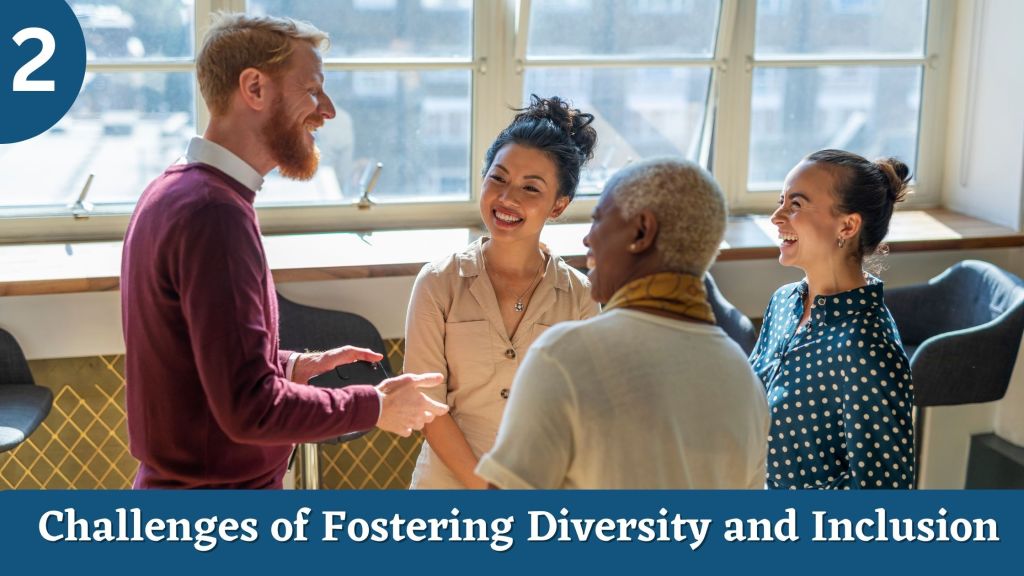
As we delve deeper into the realm of diversity and inclusion, it’s important to recognize that the path to creating a truly inclusive workplace is not without its challenges. Embracing diversity often requires organizations to confront and overcome deeply ingrained biases, stereotypes, communication barriers, and resistance to change. In this section, we’ll explore these challenges in detail, sharing relatable commentaries and real-life examples from smaller, lesser-known companies that have successfully navigated these hurdles.
Unconscious Bias and Stereotypes
One of the most significant barriers to fostering diversity and inclusion is the presence of unconscious bias and stereotypes. These deeply rooted beliefs can influence our behavior and decision-making in subtle yet powerful ways, often leading to discrimination and exclusion.
To address these biases, companies like Sustainable Innovations, a small environmental technology firm, have implemented comprehensive training and awareness programs. These initiatives help employees recognize and challenge their biases, fostering a more inclusive workplace where all team members are valued and respected. By encouraging open conversations about bias and stereotypes, Sustainable Innovations has created an environment where employees feel empowered to share their experiences and learn from one another.
Communication Barriers
Effective communication is the lifeblood of any organization, and navigating cultural and linguistic differences can present unique challenges in diverse workplaces. To overcome these barriers, companies must invest in strategies that promote clear, open, and inclusive communication.
One such company, LanguageLink, a small language services provider, has tackled this challenge head-on by implementing various communication tools and practices. These include offering language courses for employees, providing translation services, and hosting cultural awareness workshops. By prioritizing effective communication, LanguageLink has fostered a more inclusive work environment where employees from diverse backgrounds can collaborate and contribute their unique insights.
Resistance to Change
Change can be daunting, and resistance to change is a natural human response. As organizations work to create more diverse and inclusive workplaces, they must acknowledge and address this resistance. Strong leadership and a clear commitment to diversity and inclusion are essential for driving transformation.
A shining example of this is FreshTaste, a small gourmet food company that faced initial resistance when implementing diversity and inclusion initiatives. The company’s leadership took a proactive approach, setting clear expectations and goals, providing resources and support, and actively engaging with employees throughout the process. By demonstrating a genuine commitment to diversity and inclusion, FreshTaste’s leadership was able to overcome resistance and create a more inclusive work environment.
In summary, while fostering diversity and inclusion can be challenging, the rewards far outweigh the obstacles. By acknowledging and addressing unconscious bias, stereotypes, communication barriers, and resistance to change, organizations can pave the way for a more inclusive and equitable workplace. As we continue our journey through the world of diversity and inclusion, we’ll explore practical strategies and best practices for creating a diverse and inclusive workplace, touching on everything from recruitment and hiring to employee development and advancement, fostering an inclusive culture, and measuring and tracking progress. By learning from the experiences of smaller, lesser-known companies that have successfully navigated these challenges, we can all play a role in building a more inclusive future.

Strategies for Creating an inclusive workplace
Having explored the challenges of fostering diversity and inclusion, it’s time to delve into the practical strategies and best practices that can help organizations create a more inclusive work environment. In this section, we’ll touch on everything from recruitment and hiring to employee development and advancement, fostering an inclusive culture, and measuring and tracking progress. We’ll share relatable commentaries and real-life examples from smaller, lesser-known companies that have successfully implemented these strategies.
Recruitment and Hiring
Attracting a diverse workforce begins with inclusive recruitment and hiring practices. Organizations should consider the following strategies:
- Broaden the talent pool: By advertising job openings on diverse job boards and partnering with organizations that specialize in connecting diverse candidates with employers, companies can ensure they are reaching a wide range of potential applicants.
For example, EcoTech, a small clean energy start-up, expanded its talent pool by partnering with local universities and community organizations to attract a diverse range of applicants. As a result, EcoTech was able to build a more inclusive team that brought fresh perspectives and ideas to the table.
- Implement blind hiring processes: Removing names, photos, and other potentially biasing information from job applications can help organizations focus on candidates’ qualifications rather than their backgrounds.
Take the case of PrintPros, a small printing company that implemented a blind hiring process to eliminate unconscious bias. This approach allowed PrintPros to focus on the skills and experience of applicants, ultimately leading to a more diverse and capable team.
Employee Development and Advancement
Promoting diversity and inclusion within an organization also involves ensuring equal opportunities for career growth, mentorship, and sponsorship programs.
- Offer professional development opportunities: By providing training and development programs to all employees, organizations can foster an inclusive environment where everyone has the opportunity to advance their skills and career.
For instance, at Hybrid Solutions, a small IT consulting firm, management prioritized professional development opportunities for employees from diverse backgrounds. This investment in employee growth led to a more equitable work environment and empowered employees to reach their full potential.
- Establish mentorship and sponsorship programs: Connecting employees with mentors and sponsors can help them navigate their career paths, develop new skills, and build professional networks.
At Artistic Enterprises, a boutique marketing agency, management implemented a mentorship program that matched employees with experienced professionals within the company. This program facilitated skill development, networking, and career advancement for employees from diverse backgrounds, creating a more inclusive workplace culture.
Fostering an Inclusive Culture
Creating a culture of inclusion requires ongoing commitment and effort from the entire organization. Consider these strategies:
- Encourage open dialogue and communication: Fostering a safe space for employees to discuss their experiences and perspectives can help create a more inclusive environment.
For example, at Trailblazers Inc., a small outdoor gear retailer, management established regular town hall meetings where employees could discuss diversity and inclusion-related topics. These open conversations allowed employees to share their insights and experiences, promoting a greater understanding of diversity within the organization.
- Establish employee resource groups (ERGs): ERGs provide employees with a forum to connect, share experiences, and support one another, while also contributing to company-wide diversity and inclusion initiatives.
At AquaLife, a small water purification company, ERGs were formed to address the unique needs of employees from different backgrounds. These groups collaborated on initiatives that promoted inclusion and engagement across the organization.
Measuring and Tracking Progress
Regular assessment and reporting on diversity and inclusion progress are essential for continuous improvement. Organizations should consider setting clear goals and tracking progress through data-driven analysis.
Consider the case of Optimal Logistics, a small transportation company that set diversity and inclusion goals and regularly tracked progress using key performance indicators (KPIs). This data-driven approach allowed Optimal Logistics to identify areas for improvement and make informed decisions about their diversity and inclusion initiatives.
In conclusion, by implementing practical strategies and best practices for creating a diverse and inclusive workplace, organizations can unlock the full potential of their workforce and drive business success. By learning from the experiences of smaller, lesser-known companies that have successfully navigated the challenges of fostering diversity and inclusion, we can all contribute to building a more inclusive future.
As we continue our journey through the world of diversity and inclusion, let’s celebrate the boundless possibilities that arise when we come together as one. Let’s embrace the vibrant energy of that room filled with diverse individuals and recognize the value of each person’s unique perspective and experience. Together, we can create a world where diversity and inclusion are not merely buzzwords but the very foundation upon which creativity and success are built.

Conclusion
As we reach the end of our exploration into the vast and fascinating world of diversity and inclusion, let’s take a moment to reflect on the insights we’ve gathered, the inspiring stories we’ve encountered, and the valuable lessons we’ve learned. Through the lens of smaller, lesser-known companies that have successfully harnessed the power of diversity and inclusion, we’ve come to understand the enormous potential these principles hold for unlocking creativity, driving innovation, and propelling businesses towards success.
We’ve examined the compelling business case for diversity and inclusion, discovering how these principles can lead to increased innovation and creativity, enhanced decision-making and problem-solving, improved financial performance, and a strengthened employer brand. We’ve delved into the challenges organizations face in their quest for diversity and inclusion, confronting issues like unconscious bias, stereotypes, communication barriers, and resistance to change. We’ve also explored practical strategies and best practices for creating a diverse and inclusive workplace, touching on recruitment and hiring, employee development and advancement, fostering an inclusive culture, and measuring and tracking progress.
As we move forward, let’s keep the lessons we’ve learned close to our hearts and minds. Let’s commit ourselves to fostering environments where every individual feels valued, respected, and empowered to contribute their unique perspectives and talents. Let’s embrace the rich tapestry of human experience that diversity brings, recognizing that it is only through our collective strength and unity that we can truly unlock our full potential and create a brighter future for all.
In the words of the great Maya Angelou, “In diversity there is beauty and there is strength.” Let’s honor and celebrate that beauty and strength in our organizations and in our lives. Let’s recognize that our differences are not barriers, but rather the keys to unlocking creativity and driving business success. And, as we move forward into a world filled with diverse individuals, let’s continue to learn from one another, to grow together, and to build a more inclusive and equitable future for all.


 Marketing Unplugged
Leave a Reply