


Content creation is a critical aspect of any successful digital marketing strategy. However, creating new content consistently can be time-consuming and resource-intensive. Repurposing your existing content is a smart strategy that can help you reach a wider audience, save time and resources, and optimize your content marketing efforts.
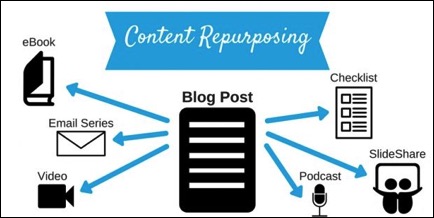
Repurposing your content involves taking existing content and transforming it into a different format or using it on a different platform. For example, you could take a blog post and turn it into an infographic, or take a video and turn it into a podcast. By doing this, you can attract new audiences who prefer different types of content and consume it on different platforms.
Repurposing your content also allows you to diversify your traffic sources. When you publish your content on different platforms, you can attract new visitors from those platforms to your website. This can help you reduce your reliance on one platform and spread your reach across multiple channels.
In this article, we will explore the benefits of repurposing your content, best practices for repurposing your content, and tools you can use to repurpose your content. We will also provide real-life examples of companies that have successfully repurposed their content to reach a wider audience. By the end of this article, you will have a clear understanding of how to repurpose your content effectively to grow your business.

Repurposing Strategies
Repurposing your content can take many forms. One strategy is to repurpose your content into different formats. For instance, you can create infographics, videos, podcasts, e-books, and webinars. Infographics, for example, are a visually appealing way to present information. With online tools like Canva, Piktochart, and Visme, you can easily create infographics that summarize your blog posts, whitepapers, or reports. Video marketing has become a popular way of reaching a wider audience. You can create short videos to promote your products or services or share tutorials with your audience. Podcasts are another way of repurposing your content. If you have a blog, you can convert your posts into podcasts and distribute them on platforms like Apple Podcasts, Spotify, and Google Podcasts. E-books and webinars are other formats you can explore.
Another strategy is to repurpose your content on different platforms. Social media platforms like Facebook, Twitter, Instagram, LinkedIn, and YouTube provide a great opportunity to distribute your content to a wider audience. You can repurpose your blog posts, infographics, videos, and podcasts on these platforms. Blogging platforms like Medium, Tumblr, WordPress, and Ghost allow you to repurpose your content as blog posts. Content aggregator sites like Reddit, Quora, SlideShare, Scoop.it, and Flipboard are other platforms where you can repurpose your content.
Repurposing your content is not just about converting a blog post into a video or turning a podcast into an infographic. It requires a comprehensive strategy that takes into account the various formats and platforms available and how to optimize them to reach a wider audience.
Here are some strategies you can use to repurpose your content effectively:
- Identify your best-performing content: Start by analyzing your existing content and identifying the pieces that have performed well in terms of engagement, traffic, and shares. These pieces of content are the ones that resonate most with your audience and are good candidates for repurposing.
- Determine the best format: Once you have identified your best-performing content, determine which format will work best for repurposing. Consider your audience and the platform you want to target. For example, a listicle may work well on social media, while a long-form article may be better suited for a white paper or e-book.
- Plan for repurposing: Plan ahead for how you will repurpose your content. Create a content calendar that outlines the different formats and platforms you will use and when you will publish them. This will help you stay organized and ensure that you are not overwhelmed with content creation.
- Tailor your content to the platform: Each platform has its own format and audience, so when repurposing your content, tailor it to fit the platform you are targeting. For example, Instagram is a visual platform, so when repurposing your content for Instagram, focus on creating visually appealing content.
- Track your results: It is essential to track your results when repurposing your content. This will help you determine which formats and platforms are performing well and which ones need improvement. This information can help you optimize your content repurposing strategy and make data-driven decisions.
Expanding on the last point, tracking your results can be achieved through various metrics such as engagement rate, click-through rate, and conversion rate. These metrics will give you insights into how well your content is performing on different platforms and formats. For example, if your repurposed video is not getting as many views as your original blog post, it could indicate that you need to improve the video quality or change the messaging to better resonate with your audience.
Moreover, you can track your results by conducting A/B testing. This involves creating two versions of the same content but with slight differences in messaging or format. Then, you can compare the results and determine which version performs better.
By using these strategies and tracking your results, you can create a robust and effective content repurposing strategy that reaches a wider audience, saves time and resources, and maximizes your content marketing efforts.


Advantages of Repurposing Content
Repurposing your content has several advantages. First, it allows you to increase your visibility. By repurposing your content on different platforms and in different formats, you can reach a wider audience that may have missed your content the first time around. Second, it allows you to diversify your traffic sources. When you repurpose your content on different platforms, you can attract traffic from different sources, reducing your reliance on one platform. Third, it is cost-effective. Instead of creating new content from scratch, you can repurpose your existing content, saving time and resources. Fourth, it can increase engagement. Different people consume content in different ways. By repurposing your content into different formats, you can engage with people who prefer visual content, audio content, or text-based content. Finally, repurposing your content is time-saving. Instead of starting from scratch every time you need to create content, you can repurpose existing content, freeing up time for other business activities.
Repurposing your content offers numerous advantages that can benefit your business in various ways. Here are some of the advantages of repurposing content:
- Reaches a wider audience: Repurposing your content into different formats and platforms allows you to reach a wider audience. By targeting different channels and appealing to different preferences, you can attract new visitors to your website who may not have discovered your content otherwise.
- Saves time and resources: Repurposing your content can save you time and resources since you do not have to create new content from scratch. Instead, you can use existing content as a starting point and transform it into a different format or use it on a different platform.
- Boosts SEO: Repurposing your content can also boost your SEO efforts. When you publish your content on multiple platforms, you increase the number of backlinks to your website, which can improve your website’s domain authority and search engine rankings.
- Reinforces your messaging: Repurposing your content can reinforce your messaging and make it more memorable. By presenting your content in different formats and on different platforms, you can reach your audience at different touchpoints and increase the likelihood that they will remember your brand and message.
- Improves engagement: Repurposing your content can also improve engagement with your audience. By presenting your content in different formats, you can cater to different learning styles and preferences, increasing the likelihood that your audience will engage with your content and share it with others.
Expanding on the last point, increasing engagement can be achieved by using interactive elements in your repurposed content. For example, you can use quizzes, polls, and surveys to encourage your audience to interact with your content and provide feedback. These elements can also provide valuable insights into your audience’s preferences and interests, which you can use to refine your content marketing strategy.
Additionally, repurposing your content can provide a competitive advantage. If your competitors are not repurposing their content, you can stand out by reaching a wider audience, reinforcing your messaging, and improving engagement. Repurposing your content also allows you to stay relevant and adapt to changing trends and preferences, which is essential in today’s fast-paced digital landscape.
Repurposing your content offers numerous advantages that can help you grow your business, reach a wider audience, and optimize your content marketing efforts. By using the strategies and best practices outlined in this article, you can create a comprehensive and effective content-repurposing strategy that delivers measurable results.

Best Practices for Repurposing Content
To make the most of repurposing your content, it is important to follow some best practices. First, keep the original content in mind. When repurposing your content, ensure that you are presenting the same message and information as the original content. Second, repurpose evergreen content. Evergreen content refers to content that is always relevant, irrespective of the time it was created. When repurposing your content, focus on evergreen content that will continue to attract traffic for years to come. Third, repurpose popular content. When you have a piece of content that performs well, consider repurposing it into different formats or on different platforms to reach a wider audience. Fourth, tailor your content to the platform. Each platform has its own audience and format. When repurposing your content, tailor it to fit the platform you are targeting. For example, Instagram is a visual platform, so when repurposing your content for Instagram, focus on creating visually appealing content. Fifth, track your results. When repurposing your content, track the results to see which formats and platforms are performing well. This will help you optimize your content repurposing strategy.
To effectively repurpose your content, it is important to follow best practices that can help you maximize the benefits of repurposing. Here are some of the best practices for repurposing content:
- Identify your goals: Before repurposing your content, identify your goals and the audience you want to reach. This will help you choose the most effective formats and platforms to use.
- Analyze your existing content: Analyze your existing content and identify the pieces that have performed well in terms of engagement and traffic. These pieces can serve as a starting point for repurposing.
- Tailor your content for different platforms: Each platform has its own unique features and requirements, so tailor your content to fit each platform. For example, on social media platforms, use visual elements and concise messaging to capture the audience’s attention.
- Maintain consistency in messaging: Even as you repurpose your content, it is important to maintain consistency in your messaging. Ensure that your messaging and branding are consistent across all platforms and formats.
- Optimize for SEO: To maximize the SEO benefits of repurposing, optimize each piece of repurposed content for relevant keywords and include links to your website.
- Experiment with different formats: Experiment with different formats and platforms to see what works best for your audience. Some formats to consider include videos, podcasts, infographics, and ebooks.
- Keep track of results: Finally, keep track of the results of your repurposed content to see what works best and adjust your strategy accordingly. Use analytics tools to monitor engagement, traffic, and conversions.
Expanding on the last point, keeping track of results is essential in order to measure the effectiveness of your repurposed content. By monitoring engagement and traffic, you can identify which formats and platforms are most effective in reaching your audience. You can also track conversions to see how repurposed content contributes to your overall marketing goals.
In addition, it is important to continually update and refresh your repurposed content. As trends and preferences change, keep your content up-to-date and relevant to your audience. This will help maintain engagement and ensure that your content remains effective.
Overall, following these best practices can help you create an effective and comprehensive content repurposing strategy. By maximizing the benefits of repurposing, you can reach a wider audience, save time and resources, and improve engagement with your audience.
Tools for Repurposing Content
There are several tools available to help you repurpose your content. Canva, Piktochart, and Visme are great tools for creating infographics. For video marketing, you can use tools like Animoto, Biteable, and Lumen5 to create short videos. If you have a blog, you can use tools like Otter.ai and Descript to convert your posts into podcasts. For webinars, you can use tools like GoToWebinar and Zoom. When repurposing your content on different platforms, you can use social media management tools like Hootsuite, Buffer, and Sprout Social to manage your social media accounts and distribute your content.

Real-Life Examples
Let’s take a look at some real-life examples of companies that have successfully repurposed their content. One example is Moz, a software company that provides SEO tools. Moz has a blog where they publish articles about SEO and digital marketing. They also repurpose their blog posts into videos and podcasts. They have a YouTube channel where they post videos summarizing their blog posts. They also have a podcast where they discuss their blog posts in detail.
Another example is HubSpot, a marketing software company. HubSpot has a blog where they publish articles about marketing, sales, and customer service. They also repurpose their blog posts into e-books, webinars, and courses. They have a resource center where they offer free courses and e-books that are repurposed from their blog posts.
Here are a few examples of smaller, lesser-known companies that have successfully repurposed their content:
- The Vintage Honey Shop: This small business sells handmade baby products and accessories online. To increase engagement on social media, they repurpose blog content into visually appealing graphics for platforms like Instagram and Pinterest. They also create video tutorials demonstrating how to use their products and share them on their YouTube channel.
- The Hub Cafe: This local coffee shop in a small town in Michigan repurposes its blog content into an email newsletter that they send to their subscribers every week. They also use excerpts from the blog to create social media posts and short videos to share on Instagram, Facebook, and TikTok.
- Faithful Counseling: This online counseling service repurposes its existing content into an ebook that they offer as a lead magnet to attract new subscribers. They also repurpose their blog content into a podcast series that they share on Spotify and Apple Podcasts.
- Bold Penguin: This insurtech startup repurposes its blog content into visually engaging infographics that they share on social media platforms like LinkedIn and Twitter. They also use the blog content to create short videos for their YouTube channel.
- Tidewater and Tulle: This small wedding blog repurposes their existing blog content into a print magazine that they offer as a subscription service. They also repurpose their blog content into visually stunning Pinterest graphics that drive traffic back to their website.
These examples show that even small businesses can effectively repurpose their content to reach a wider audience and engage with their target market. By following best practices and experimenting with different formats and platforms, these companies have successfully leveraged their existing content to drive traffic, increase engagement, and achieve their marketing goals.

Conclusion
In conclusion, repurposing your content in different formats and on different platforms can be a highly effective way to reach a wider audience and maximize the impact of your marketing efforts. By following best practices such as identifying your goals, analyzing your existing content, and tailoring your content for different platforms, you can create a comprehensive and effective content repurposing strategy.
The advantages of content repurposing include saving time and resources, improving SEO, and increasing engagement with your audience. Additionally, real-life examples show that even smaller, lesser-known companies can successfully repurpose their content to achieve their marketing goals.
However, it is important to keep in mind that repurposing is not a one-size-fits-all solution. It requires experimentation and ongoing analysis to determine which formats and platforms work best for your audience. Continually updating and refreshing your repurposed content is also important to maintain engagement and relevance.
In the constantly evolving world of digital marketing, repurposing your content is a valuable tool that can help you stay ahead of the curve and effectively reach your target audience. By adopting a strategic and creative approach to repurposing, you can take advantage of the many benefits it offers and drive meaningful results for your business.

 Marketing Unplugged
Leave a Reply