


The Rise of Video Marketing
If you’re a business owner or marketer, you’ve likely heard about the power of video marketing. It’s no secret that video has taken over as the king of content, with businesses of all sizes incorporating video into their marketing strategies. But why is video marketing so important, and what benefits can it bring to your business?

The answer is simple: video marketing is a crucial component of any successful marketing strategy. According to a recent report by HubSpot, 81% of businesses use video as a marketing tool, up from 63% in 2017. And it’s not hard to see why – video is an incredibly effective way to engage with your audience, build brand awareness, and ultimately drive sales.
The rise of video marketing has been nothing short of extraordinary. In the past decade, video has gone from being a supplementary marketing tool to the centerpiece of many marketing campaigns. With the proliferation of smartphones and social media platforms, it’s never been easier or more accessible to create and share video content with a global audience.
Video content has become so prevalent that it now dominates the online landscape. YouTube, the world’s largest video-sharing platform, has over 2 billion monthly active users who collectively watch over 1 billion hours of video each day. And it’s not just YouTube – social media platforms like Facebook, Instagram, and TikTok have all prioritized video content in recent years, with many users now consuming more video than any other type of content.
But why has video become so popular? The answer lies in its ability to connect with audiences on a deep and emotional level. Unlike other types of content, video can convey complex messages and emotions in a way that feels authentic and relatable. It’s this emotional connection that makes video such a powerful marketing tool, allowing businesses to engage with their audience and build brand awareness in a way that’s simply not possible with other formats.
So, if you’re not already incorporating video into your marketing strategy, it’s time to start. With so many benefits and opportunities for engagement, video marketing is a crucial component of any successful marketing campaign in the digital age.
The Benefits of Video Marketing
Let’s take a closer look at some of the key benefits of video marketing. First and foremost, video is a highly engaging format that can capture your audience’s attention in a way that other formats simply can’t. This is particularly true when it comes to social media, where video content is far more likely to be shared and commented on than other types of content.
But video isn’t just about engagement – it’s also about driving conversions and sales. Studies have shown that including video on a landing page can increase conversion rates by up to 80%. And when it comes to e-commerce, product videos have been shown to increase purchases by 144%.
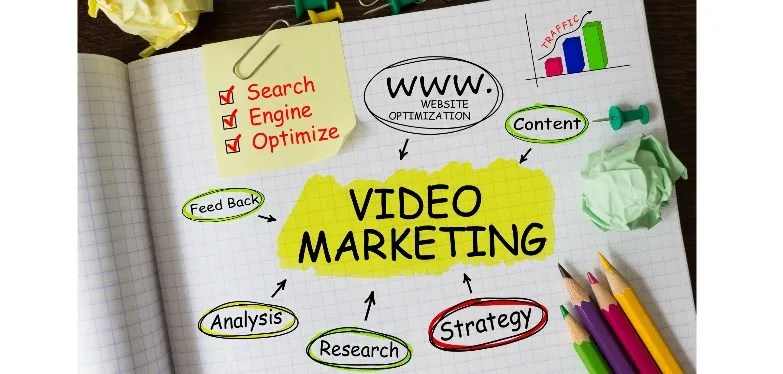
Of course, video also has significant SEO benefits. Google and other search engines prioritize video content, meaning that incorporating video into your content strategy can help you climb the search rankings and drive more traffic to your site.
The benefits of video marketing are numerous and wide-ranging, making it an essential component of any comprehensive marketing strategy. Here are some of the key advantages of incorporating video into your marketing mix:
- Increased Engagement: Video has been proven to be more engaging than other types of content, with viewers more likely to watch a video to completion than read a blog post or view an image. This increased engagement can lead to higher levels of brand awareness, more website traffic, and ultimately more sales.
- Better SEO: Videos can also improve your search engine rankings, with Google and other search engines prioritizing video content in search results. By optimizing your videos with relevant keywords and metadata, you can improve your visibility and attract more traffic to your website.
- Increased Brand Awareness: Video is a powerful tool for building brand awareness, allowing businesses to showcase their products, services, and values in a way that’s visually compelling and emotionally resonant. By creating engaging and shareable video content, you can increase your reach and build a loyal following of customers and brand advocates.
- Improved Customer Engagement: Video is also a great way to engage with your customers and build relationships with them. Whether through instructional videos, product demos, or behind-the-scenes content, video allows you to connect with your audience in a more personal and relatable way.
- Increased Conversions: Finally, video can be a powerful tool for driving conversions and sales. By showcasing your products or services in action, you can help potential customers better understand their benefits and make more informed purchase decisions. Plus, video testimonials and reviews can be powerful social proof, helping to build trust and credibility with your audience.
Overall, the benefits of video marketing are clear. By incorporating video into your marketing mix, you can increase engagement, build brand awareness, improve customer engagement, and ultimately drive more sales and revenue for your business.

Part 2: Creating Video Content that Resonates with Your Audience
So, how can you create video content that truly resonates with your audience? The key is to know your audience and tailor your content to their needs and preferences. This means understanding what motivates them, what challenges they face, and what types of content they enjoy consuming.
One company that does this exceptionally well is New York-based startup Hubble Contacts. As a challenger brand in the crowded contact lens market, Hubble realized that they needed to stand out from the competition by telling a compelling story that would resonate with their audience. Their solution? A series of heartwarming videos that tell the stories of real Hubble customers and how the company has changed their lives. By focusing on the emotional benefits of their product, Hubble was able to create video content that truly resonated with their audience and helped them stand out in a crowded market.
Of course, creating engaging video content isn’t just about storytelling – it’s also about production value. While you don’t need a Hollywood-level budget to create great video content, it’s important to invest in quality equipment and sound design to ensure that your content looks and sounds professional.
Creating video content that resonates with your audience is key to the success of your video marketing efforts. Here are some tips and tricks to help you create compelling and effective video content:
- Know Your Audience: Understanding your target audience is essential when creating any type of marketing content, and video is no exception. Take the time to research your audience’s demographics, interests, and pain points, and tailor your video content to their needs and preferences.
- Tell a Story: Storytelling is a powerful way to connect with your audience on an emotional level. Use video to tell a compelling story about your brand, products, or customers, and make sure to incorporate visuals and sound to create a memorable and engaging experience.
- Focus on Quality: Quality production value is essential when it comes to video content. While you don’t need a Hollywood-level budget to create effective videos, it’s important to invest in good lighting, sound, and editing to ensure that your videos look and sound professional.
- Keep it Short and Sweet: Attention spans are short these days, so it’s important to keep your videos short and to the point. Aim for videos that are 2-3 minutes in length, and make sure to hook your viewers in the first few seconds to keep them engaged.
- Add Value: Your video content should provide value to your audience, whether through educational content, entertaining storytelling, or helpful product demos. Make sure that your videos offer something of value to your viewers to keep them coming back for more.
- Optimize for Viewing: Finally, make sure that your videos are optimized for viewing across all devices and platforms. This means using mobile-friendly formats, optimizing for different screen sizes, and ensuring that your videos are easily shareable on social media.
By following these tips and tricks, you can create video content that resonates with your audience and drives real results for your business. Remember to always keep your audience top of mind, and to continuously test and optimize your video content to improve engagement and conversions over time.

Part 3: Distributing Your Video Content Effectively
Creating great video content is only half the battle – you also need to distribute it effectively to reach your audience. This means choosing the right platform for your content, optimizing it for social media, and measuring its success to ensure that you’re getting the best possible results.
One company that has mastered the art of video distribution is Beardbrand, a Texas-based grooming company. Beardbrand’s videos are primarily distributed on YouTube, where they have amassed over 1.5 million subscribers. By focusing on a single platform and creating high-quality, highly engaging content that resonates with their audience, Beardbrand has been able to build a loyal following that has helped them grow their business significantly.
Of course, effective video distribution isn’t just about choosing the right platform – it’s also about measuring your success and adjusting your strategy accordingly. This means tracking metrics like engagement rates, views, and conversions to ensure that your video content is performing well, and making changes to your content and distribution strategy as needed.
Creating great video content is only half the battle – distributing it effectively is equally important. Here are some tips for distributing your video content effectively:
- Leverage Social Media: Social media is a powerful distribution channel for video content, so make sure to leverage it to your advantage. Post your videos on your social media channels, and consider using paid advertising to target specific audiences and increase reach.
- Utilize Email Marketing: Email marketing is another effective way to distribute your video content to your audience. Consider including video content in your email newsletters or sending dedicated emails promoting your latest videos.
- Host on Your Website: Hosting your videos on your website is another effective distribution channel. Make sure to optimize your videos for web viewing and include them on relevant pages of your website to increase engagement and conversions.
- Collaborate with Influencers: Collaborating with influencers in your industry can be a great way to get your video content in front of new audiences. Consider partnering with influencers to create branded content or asking them to promote your videos on their social media channels.
- Submit to Video Sharing Sites: Submitting your videos to popular video sharing sites like YouTube and Vimeo can help increase visibility and reach for your content. Make sure to optimize your videos with relevant keywords and tags to improve searchability.
- Utilize Paid Advertising: Finally, consider utilizing paid advertising channels like Google Ads or social media advertising to promote your video content to targeted audiences. This can be an effective way to increase reach and drive conversions for your business.
By following these tips and tricks, you can effectively distribute your video content and increase engagement and conversions for your business. Remember to continuously test and optimize your distribution channels to improve results over time.

Don’t Do This! Mistakes To Avoid!
While there are many effective strategies for video marketing, there are also some common mistakes that can negatively impact your results. Here are some things to avoid when creating and distributing video content:
- Ignoring Your Audience: One of the biggest mistakes you can make is ignoring your audience’s needs and preferences. Make sure to research and understand your target audience before creating any video content, and tailor your messaging and visuals accordingly.
- Focusing Too Much on Sales: While the ultimate goal of video marketing is to drive conversions and sales, focusing too much on sales messaging can actually be a turn-off for viewers. Make sure to balance promotional messaging with educational or entertaining content that provides value to your audience.
- Neglecting Quality: Poor production quality can detract from the effectiveness of your video content. While you don’t need a Hollywood-level budget, make sure to invest in good lighting, sound, and editing to ensure that your videos look and sound professional.
- Going Overboard with Length: Attention spans are short, so it’s important to keep your videos short and to the point. Avoid creating videos that are too long or drawn out, as viewers are more likely to lose interest and click away.
- Neglecting Distribution: Even the best video content won’t be effective if it’s not distributed effectively. Make sure to leverage all available channels to promote your videos, including social media, email marketing, and video-sharing sites.
- Failing to Test and Optimize: Finally, failing to test and optimize your video content can prevent you from maximizing its effectiveness. Make sure to track metrics like views, engagement, and conversions, and continuously test and optimize your videos to improve results over time.
By avoiding these common mistakes, you can create video content that resonates with your audience and drives real results for your business. Remember to always keep your audience top of mind, and to continuously test and optimize your video content and distribution strategies to improve engagement and conversions over time.
A mistake to avoid in video marketing is failing to create content that aligns with your brand’s messaging and values. While it can be tempting to create viral videos or trendy content that doesn’t necessarily align with your brand, this can actually harm your brand’s reputation and confuse your audience. Make sure to create content that aligns with your brand’s unique voice and values, and that reinforces your brand’s messaging and mission.
Another common mistake is failing to tell a compelling story in your video content. Simply promoting your products or services without providing context or a narrative can lead to a disengaged audience. Instead, focus on creating video content that tells a story and connects with your audience on an emotional level. Use storytelling techniques like humor, emotion, and relatability to create content that resonates with your audience and inspires action.
Neglecting to track and analyze your video metrics can be a major missed opportunity. Metrics like views, engagement, and conversions provide valuable insights into the effectiveness of your video content and distribution strategies. Make sure to track these metrics regularly and use them to guide your content creation and distribution efforts. Additionally, consider utilizing A/B testing and other experimentation techniques to further optimize your video marketing efforts.
Video marketing can be a highly effective tool for engaging your audience and driving conversions, but it’s important to avoid common mistakes that can derail your efforts. Make sure to prioritize your audience’s needs and preferences, create content that aligns with your brand’s messaging and values, tell a compelling story, and track and analyze your video metrics regularly. By doing so, you can create video content that resonates with your audience and drives real results for your business.

Conclusion: The Future of Video Marketing
As we look to the future, it’s clear that video marketing will continue to be a crucial component of any successful marketing strategy. As technology continues to evolve and consumer preferences shift, businesses that invest in video content will be better positioned to engage with their audience, build brand awareness, and ultimately drive sales.
But creating effective video content isn’t easy. It requires a deep understanding of your audience, a focus on quality production value, and a commitment to effective distribution and measurement. By following the tips and tricks outlined in this article, however, you can create video content that resonates with your audience and drives real results for your business.
So, what are you waiting for? If you haven’t already, it’s time to start incorporating video into your marketing strategy today. Whether you’re a small business or a large corporation, video marketing can help you reach your audience, build your brand, and achieve your business goals.


 Marketing Unplugged
Leave a Reply