
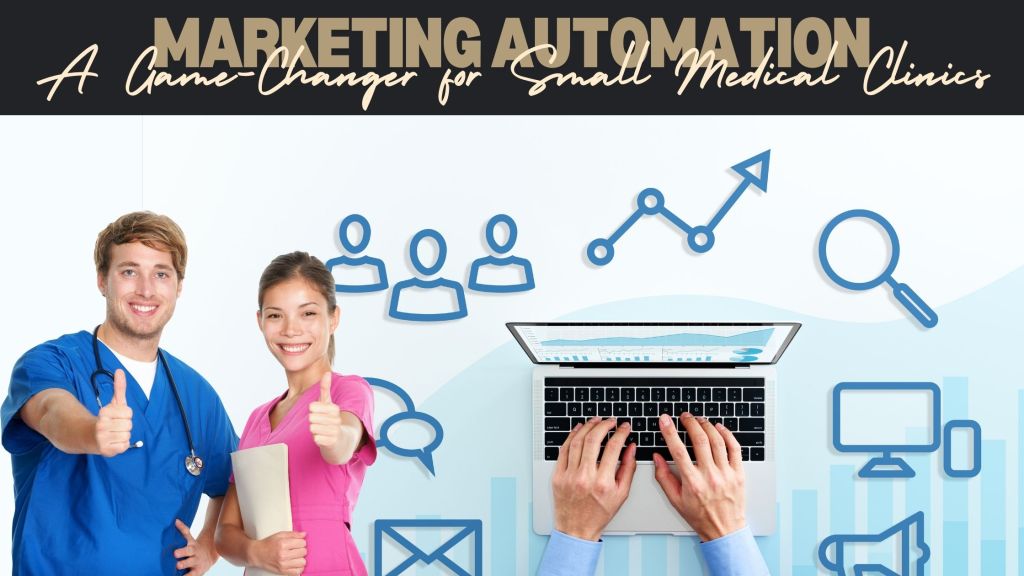

In the busy world of healthcare, small medical clinics often find themselves overwhelmed with administrative tasks and struggling to keep up with patient communication. Take Greenfield Clinic, a small family practice that prides itself on providing personalized care. Despite their dedication, they faced frequent no-shows, low patient retention, and a lack of time to engage with patients effectively.
This is a common scenario for many small medical clinics. Balancing patient care with administrative duties can be challenging, leading to inefficiencies and missed opportunities for patient engagement. However, Greenfield Clinic found a solution in marketing automation, which transformed their operations and patient interactions. In this article, we’ll explore how marketing automation can be a game-changer for small medical clinics, providing actionable steps and real-life success stories.
Understanding Marketing Automation
What is Marketing Automation?
Marketing automation involves using software to automate repetitive marketing tasks, such as email campaigns, social media posting, and other website actions. For medical clinics, this means streamlining patient communication, appointment reminders, follow-up care, and more.
Why is Marketing Automation Crucial for Small Medical Clinics?
Marketing automation is crucial for small medical clinics because it helps to enhance patient experience, improve operational efficiency, and ensure consistent communication. It allows clinic staff to focus more on patient care while ensuring that no important tasks are overlooked.
Benefits of Marketing Automation
- Improved Patient Communication: Automated messages ensure that patients receive timely reminders and follow-ups.
- Increased Appointment Bookings: Automated reminders reduce no-show rates and encourage patients to book appointments.
- Better Patient Retention: Personalized communication and follow-ups help maintain patient engagement and loyalty.
Actionable Steps for Implementing Marketing Automation
Automated Appointment Reminders
Automated appointment reminders via email and SMS can significantly reduce no-shows and improve patient compliance. Here’s how to set up an effective reminder system:
- Choose a Reliable Platform: Use a platform like Mailchimp or Constant Contact that offers automation features.
- Set Up Automated Messages: Schedule reminders to be sent a few days and hours before appointments.
- Personalize Messages: Include patient names and specific appointment details to make reminders more personal.
Personalized Patient Communication
Personalized communication is crucial in healthcare. Use automation to send personalized health tips, birthday messages, and follow-up emails. Here are some tips:
- Segment Your Patient List: Group patients based on their conditions, age, or preferences.
- Create Relevant Content: Develop content that addresses the specific needs of each segment.
- Schedule Regular Communications: Send personalized messages regularly to keep patients engaged.
Streamlined Patient Onboarding
Automating the patient onboarding process can save time and ensure a smooth experience for new patients. Here’s how:
- Automate New Patient Forms: Use tools like JotForm to create digital forms that can be automatically sent to new patients.
- Send Welcome Emails: Set up automated welcome emails with important information about the clinic.
- Provide Introductory Information: Include links to helpful resources and what new patients can expect during their first visit.
Efficient Follow-up and Retention Strategies
Follow-up care is essential for patient health and retention. Use automation to send follow-up care instructions, appointment reminders, and satisfaction surveys. Here are some strategies:
- Automate Follow-up Instructions: Schedule emails with care instructions after appointments or treatments.
- Send Satisfaction Surveys: Use platforms like SurveyMonkey to automate post-appointment surveys.
- Retention Campaigns: Set up automated campaigns to remind patients of regular check-ups and encourage repeat visits.
Data-Driven Decision Making
Marketing automation tools provide valuable insights into patient behavior and preferences. Use this data to make informed decisions about patient care and marketing strategies. Here’s how:
- Track Patient Interactions: Use tools like HubSpot to monitor how patients interact with your communications.
- Analyze Behavior Patterns: Look for trends in appointment bookings, email open rates, and survey responses.
- Adjust Strategies Accordingly: Use these insights to refine your communication and marketing strategies for better results.
Case Study: Greenfield Clinic
Client Background
Greenfield Clinic is a small family practice that focuses on providing personalized care to its patients. Despite their dedication, they faced challenges in patient engagement and operational efficiency.
Challenges Faced
- High no-show rates.
- Low patient retention.
- Time-consuming administrative tasks.
Strategies Implemented
- Automated Appointment Reminders: Set up email and SMS reminders to reduce no-shows.
- Personalized Communication: Implemented personalized health tips, birthday messages, and follow-up emails.
- Streamlined Onboarding: Automated new patient forms and welcome emails.
- Follow-up and Retention Campaigns: Automated follow-up care instructions, satisfaction surveys, and regular check-up reminders.
- Data Analysis: Used marketing automation tools to track patient interactions and adjust strategies accordingly.
Results Achieved
- Reduced No-Shows: No-show rates decreased by 30%.
- Increased Patient Retention: Patient retention improved by 25%.
- Enhanced Patient Engagement: Patients appreciated the personalized communication and timely reminders.
- Operational Efficiency: Staff had more time to focus on patient care rather than administrative tasks.
Client Testimonial
“Implementing marketing automation with Charles Lange’s guidance has transformed our clinic. We’ve seen a significant reduction in no-shows and an improvement in patient retention. Our patients love the personalized communication, and our staff is more efficient. Highly recommend!” – Dr. Emily Green, Owner of Greenfield Clinic
Conclusion
Marketing automation is a powerful tool that can help small medical clinics overcome common challenges and achieve remarkable improvements in patient engagement and operational efficiency. By implementing automated appointment reminders, personalized communication, streamlined onboarding, efficient follow-up strategies, and data-driven decision-making, clinics can enhance patient experience and drive growth.
Call-to-Action
Ready to implement marketing automation in your clinic and improve your operations? Contact Charles Lange for a personalized marketing automation strategy session.
Contact Information
Contact Me
LinkedIn: Charles Lange
Blog: Marketing Unplugged

 Marketing Unplugged
Leave a Reply