
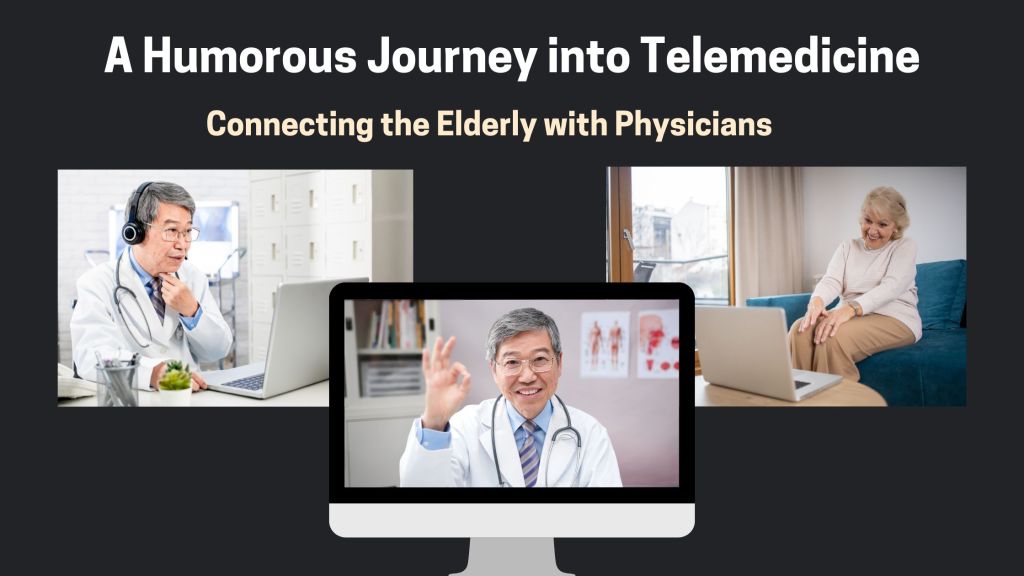

Imagine an 85-year-old grandmother, Mrs. Thompson, sitting in her living room with a smartphone in hand, trying to figure out how to join a video call with her doctor. She’s squinting at the screen, pressing buttons, and muttering under her breath, “Is this the one? Or do I need to swipe? What’s a swipe anyway?” The dog barks as she accidentally activates Siri, and her frustration grows. Meanwhile, on the other end, Dr. Williams is sitting in his office, ready to discuss Mrs. Thompson’s blood pressure, but instead, he’s watching a close-up of her ceiling fan. This amusing yet frustrating scenario is one that plays out more often than you might think in the world of telemedicine.
As the global population ages and the healthcare system becomes more digital, the need for accessible and user-friendly telemedicine solutions has never been greater. This is particularly true for elderly patients, who often face unique challenges in navigating modern technology. In this article, we’ll embark on a journey through the development of a telemedicine app specifically designed to bridge the gap between elderly patients and their physicians. Along the way, we’ll delve into the marketing and SEO strategies that helped make this app a success, sharing insights, data, and a few laughs. By the end, not only will you be better informed, but you might also find yourself eager to embark on a similar project—with a little help from a seasoned consultant like myself.
The Problem: The Elderly and Technology
Let’s revisit Mrs. Thompson, who, despite her best efforts, is struggling with her telemedicine app. Her challenges are not unique. Many elderly individuals find themselves at odds with modern technology, a problem that is compounded when it comes to accessing critical healthcare services. The technological hurdles they face can be daunting: tiny text, confusing interfaces, pop-up ads, and the ever-present fear of “breaking something” by pressing the wrong button.
The Digital Divide
The term “digital divide” is often used to describe the gap between those who have easy access to the internet and those who don’t. However, it also applies to the gap in digital literacy, especially among the elderly. According to the Pew Research Center, while internet usage among adults aged 65 and older has increased over the years, many still struggle with the basics of navigating websites or using apps . This is particularly concerning when it comes to healthcare, where the stakes are much higher than ordering a pizza or checking the weather.
Healthcare Access Challenges
For elderly patients, regular healthcare consultations are often necessary due to chronic conditions or age-related health issues. However, getting to a doctor’s office can be a challenge due to mobility issues, transportation problems, or simply the fatigue that comes with aging. Telemedicine offers a solution, but only if the technology is accessible and easy to use. Otherwise, it becomes just another barrier to care.
The Emotional Aspect
Beyond the technical challenges, there’s also an emotional component to consider. Many elderly individuals feel intimidated by technology, and this can lead to feelings of frustration, helplessness, or even embarrassment. This emotional barrier can prevent them from seeking the care they need, further exacerbating health issues.
The Need for a Solution
Clearly, there is a pressing need for a telemedicine solution that caters specifically to the elderly. This means not only simplifying the technology but also addressing the emotional and psychological aspects of using that technology. The solution must be something that elderly patients can use with confidence and ease, ultimately improving their access to healthcare and enhancing their quality of life.
The Solution: Telemedicine Apps
The concept of telemedicine is not new. In fact, it has been around for decades, originally conceived as a way to provide healthcare services to remote or underserved populations. However, it wasn’t until the COVID-19 pandemic that telemedicine truly entered the mainstream, with a rapid acceleration in adoption as in-person visits became less feasible. For elderly patients, telemedicine offers a lifeline—if it’s done right.
The Evolution of Telemedicine
Over the years, telemedicine has evolved from simple phone consultations to sophisticated video platforms that allow doctors to conduct full examinations remotely. This evolution has been driven by advances in technology, but also by a growing recognition of the benefits of remote care. For elderly patients, who may have difficulty traveling to a doctor’s office, telemedicine can offer a convenient and accessible alternative.
Key Features for Elderly Users
When designing a telemedicine app for the elderly, there are several key features that must be included to ensure the app is user-friendly and effective. These include:
- Simplicity: The interface must be clean and straightforward, with large buttons and easy-to-read text. Complex menus and unnecessary features should be avoided.
- Accessibility: The app should include accessibility features, such as text-to-speech, screen readers, and high-contrast color schemes, to accommodate users with visual or hearing impairments.
- Security: Trust is a significant concern for elderly users, who may be wary of sharing personal information online. The app must include robust security measures to protect user data and build confidence.
- Support: Providing easily accessible help and support is crucial. This might include video tutorials, a help section with clear instructions, or even live support for users who need extra assistance.
Case Study Introduction
To illustrate how these features can come together in a successful telemedicine app, let’s look at a real-world example. The app in question was developed with a specific focus on elderly users, incorporating all the features mentioned above. It was designed not just to be a tool for medical consultations, but a platform that elderly patients could use confidently and comfortably, knowing they had the support they needed at every step.
Success Story Overview
The success of this app wasn’t just in the design—it was in how the app was marketed and optimized for search engines. By understanding the unique needs of elderly patients and their caregivers, and by employing a thoughtful marketing strategy, the app was able to reach its target audience effectively, ultimately improving healthcare access for thousands of elderly users.
Building the App: Marketing and Development Insights
Creating a telemedicine app that truly meets the needs of elderly patients requires more than just good intentions. It requires careful planning, market research, and a deep understanding of both the technology and the user experience. This section will take you behind the scenes of the development process, highlighting the key decisions and strategies that contributed to the app’s success.
The Initial Challenge
One of the earliest challenges we faced was in the initial design phase. We knew we needed to create an app that was simple and intuitive, but translating that into a functional design was easier said than done. During a user testing session, we handed a prototype to an elderly participant, who immediately tried to swipe up from the bottom of the screen—on a desktop monitor. This humorous yet revealing moment underscored the importance of understanding our users’ interactions with technology.
Market Research
Before any code was written, we conducted extensive market research to understand our target audience. This included surveys, focus groups, and interviews with elderly users, as well as consultations with healthcare providers who work closely with elderly patients. We also analyzed data from existing telemedicine apps to identify gaps in the market and areas where improvements could be made.
Understanding the Demographic
Our research revealed several key insights. First, we found that elderly users prioritize ease of use above all else. They are less concerned with flashy features and more interested in an app that “just works.” We also discovered that many elderly users prefer to have family members or caregivers involved in their healthcare decisions, which influenced our decision to include features that allowed easy sharing of medical information with authorized individuals.
SEO Considerations from the Start
SEO was a critical component of our strategy from day one. We knew that for the app to succeed, it needed to be easily discoverable by our target audience. This meant integrating SEO best practices into every aspect of the app, from the content on the landing page to the meta tags and descriptions. We conducted thorough keyword research to identify the terms that elderly users and their caregivers were most likely to search for, such as “easy-to-use telemedicine app,” “senior healthcare online,” and “secure doctor consultations for elderly.”
Designing for the Elderly
With our research in hand, we set out to design an app that would meet the needs of our elderly users. The design process was iterative, with multiple rounds of testing and feedback. We prioritized simplicity, using large buttons, clear icons, and minimal text. We also incorporated accessibility features, such as adjustable text size, voice commands, and a user-friendly help section. But perhaps most importantly, we designed the app with empathy, always keeping in mind the unique challenges and fears that elderly users might face when using new technology.
Challenges and Solutions
Of course, the development process wasn’t without its challenges. One of the biggest hurdles was ensuring that the app was both secure and easy to use—a delicate balance to strike. We worked closely with cybersecurity experts to implement robust security measures, such as end-to-end encryption and two-factor authentication, while still keeping the login process simple. We also faced challenges in optimizing the app for different devices, from smartphones to tablets to desktops, ensuring that the user experience was consistent and intuitive across all platforms.
Launching the App: Marketing Strategies
After months of development, the app was finally ready to launch. But as any marketer knows, the launch is just the beginning. To ensure the app reached its target audience—elderly patients and their caregivers—we needed a comprehensive marketing strategy that included both traditional and digital channels.
Pre-Launch Buzz
We started building anticipation for the app several weeks before the official launch. Our pre-launch marketing strategy included a mix of traditional and digital tactics. We created teaser campaigns that highlighted the app’s key features, such as its user-friendly design and focus on elderly care. These teasers were distributed through social media channels, email newsletters, and even direct mail, targeting both elderly users and their caregivers.
Social Media Outreach
Social media played a crucial role in our pre-launch strategy. While elderly users themselves might not be heavy social media users, their caregivers often are. We targeted caregivers with ads and posts on platforms like Facebook and Instagram, where they are likely to spend time. We also used social media to connect with influencers in the healthcare space, who could help spread the word about the app to their followers.
SEO Strategy
Our SEO strategy was both comprehensive and dynamic. Initially, we focused on ranking for highly specific, targeted keywords that would drive immediate traffic to the app. This included phrases like “best telemedicine app for seniors” and “online doctor visits for elderly.” We created content that was optimized for these keywords, including blog posts, landing pages, and meta descriptions. As the app gained traction, we expanded our keyword focus to include broader healthcare-related terms, which helped to attract a wider audience over time.
Content Marketing
Content marketing was another key component of our strategy. We produced a series of blog posts, articles, and videos that provided valuable information about telemedicine and elderly care. This content not only helped to educate our audience but also served as a vehicle for embedding targeted keywords and building backlinks to the app’s website. By consistently producing high-quality content, we were able to improve the app’s search engine rankings and drive organic traffic.
PPC and Paid Ads
To supplement our organic marketing efforts, we also invested in paid advertising. We used Google Ads to target specific demographics, such as elderly individuals and their caregivers, with ads that highlighted the app’s unique features. We also ran display ads on healthcare websites and forums frequented by our target audience. The ads were designed to be visually appealing and easy to understand, with clear calls to action that encouraged users to download the app or visit the website for more information.
Influencer Marketing and Partnerships
To further boost the app’s credibility and reach, we partnered with influencers in the healthcare sector, particularly those who focus on elderly care. These influencers shared their positive experiences with the app on their blogs, social media channels, and newsletters, helping to build trust and generate buzz. We also formed partnerships with healthcare organizations and senior living communities, who promoted the app to their members and residents.
Post-Launch: Optimization and Continuous Improvement
Launching the app was a significant milestone, but it was by no means the end of the journey. In fact, the post-launch phase was just as critical as the development and launch phases, if not more so. During this period, we focused on optimizing the app, monitoring its performance, and making continuous improvements based on user feedback and data.
Monitoring and Analytics
One of the first things we did after launch was to set up a comprehensive analytics system to track the app’s performance. We used tools like Google Analytics and Mixpanel to monitor key metrics, such as user acquisition, engagement, and retention. We also tracked the app’s performance on the App Store and Google Play, looking at download numbers, user ratings, and reviews. This data provided valuable insights into how the app was being used and where there were opportunities for improvement.
User Behavior Analysis
By analyzing user behavior data, we were able to identify patterns and trends that informed our optimization efforts. For example, we noticed that a significant number of users were dropping off during the registration process, which prompted us to simplify the sign-up flow. We also found that some users were struggling with the video call feature, so we added a tutorial and improved the help section to provide more guidance.
SEO Adjustments
SEO is an ongoing process, and we made several adjustments to our strategy based on the app’s performance and changes in search algorithms. For instance, we updated the app’s landing pages with fresh content and optimized them for new keywords that had emerged as popular search terms. We also continued to build backlinks and improve the app’s domain authority by partnering with reputable healthcare websites and publications.
Continuous Content Creation
Content marketing didn’t stop after the launch. In fact, we ramped up our content creation efforts to keep the app’s website fresh and relevant. We published regular blog posts, articles, and case studies that addressed common questions and concerns related to telemedicine and elderly care. This content helped to maintain the app’s visibility in search engines and provided ongoing value to our audience.
User Feedback and Iteration
One of the most important sources of information during the post-launch phase was user feedback. We encouraged users to share their thoughts and suggestions through in-app surveys, email, and social media. This feedback was invaluable in identifying areas where the app could be improved. For example, some users requested a feature that would allow them to easily share their medical information with family members, so we added a “Share with Caregiver” option to the app.
Feature Updates and Bug Fixes
Based on user feedback and our own observations, we regularly released updates to the app that included new features, bug fixes, and performance improvements. For example, we added a one-click video call feature that made it easier for users to connect with their doctors, and we improved the app’s loading times to provide a smoother experience. These updates were communicated to users through in-app notifications and emails, helping to keep them engaged and informed.
Results: A Case Study
The results of this project were nothing short of remarkable. By focusing on the needs of elderly users and employing a thoughtful marketing and SEO strategy, we were able to achieve results that exceeded our initial expectations.
User Adoption and Engagement
Within the first six months of launch, the app saw a 150% increase in user adoption compared to initial projections. This rapid growth was driven by a combination of targeted marketing efforts and positive word-of-mouth from satisfied users. Engagement rates were also impressive, with elderly users spending an average of 10 minutes per session—significantly longer than the industry average. This high level of engagement indicated that users were finding value in the app and were comfortable using it regularly.
Healthcare Impact
More importantly, the app facilitated over 5,000 doctor consultations within the first six months, providing critical healthcare access to elderly patients who might otherwise have gone without care. These consultations covered a wide range of medical needs, from routine check-ups to more specialized care, and the feedback from both patients and healthcare providers was overwhelmingly positive. The app not only improved access to healthcare but also contributed to better health outcomes for its users.
SEO Success
Our SEO strategy played a crucial role in the app’s success. The app quickly climbed the search engine rankings, eventually landing in the top three results for several key phrases, including “best telemedicine app for seniors” and “online healthcare for elderly.” Organic traffic to the app’s website grew by 75%, and the app maintained a strong presence in search results thanks to our ongoing optimization efforts. This visibility helped to drive downloads and increase user engagement, further contributing to the app’s success.
Client Testimonials and Feedback
The positive feedback wasn’t just limited to metrics. We received numerous testimonials from elderly users and their caregivers, praising the app for its ease of use and the peace of mind it provided. One user, Mrs. Thompson, shared how the app had become an essential part of her healthcare routine, allowing her to connect with her doctor without the stress of navigating complicated technology. Healthcare providers also expressed their appreciation for the app, noting that it allowed them to reach patients who might otherwise have gone without care.
Business Impact
The success of the app had a significant impact on the business as well. Not only did it generate substantial revenue through subscription fees and in-app purchases, but it also opened up new opportunities for partnerships and collaborations with healthcare organizations. The app’s success story was featured in several industry publications, further boosting its credibility and attracting new users.
Lessons Learned and Best Practices
As we reflect on the journey of developing and launching this telemedicine app, several key lessons stand out—some learned through careful planning, others through trial and error. These lessons are invaluable for anyone looking to develop a digital healthcare solution, particularly for the elderly demographic.
Design for Your Audience
One of the most important lessons was the need to design with the end-user in mind. While this might seem obvious, it’s easy to get caught up in the latest design trends or cutting-edge features. However, when your audience is elderly individuals who may not be tech-savvy, simplicity is key. Every design decision should be made with the user’s needs and limitations in mind, from the size of the buttons to the wording of the instructions.
Empathy in Design
Empathy is a crucial component of good design, especially when designing for vulnerable populations like the elderly. Understanding the emotional and psychological barriers that elderly users might face when using technology is just as important as addressing the technical challenges. By designing with empathy, you can create a product that not only meets the functional needs of your users but also provides a positive and reassuring experience.
SEO and Marketing Are Ongoing Efforts
Another crucial takeaway is that SEO and marketing efforts don’t end at launch. Continuous monitoring, adjustment, and improvement are essential to maintaining visibility and ensuring the success of the app. SEO, in particular, requires ongoing attention, as search algorithms change and new competitors enter the market. By staying proactive and adaptive, you can keep your app relevant and visible in a crowded marketplace.
The Power of Content Marketing
Content marketing proved to be an incredibly effective tool for building awareness, educating our audience, and driving traffic to the app. High-quality, relevant content not only improves your SEO but also establishes your brand as a trusted authority in your industry. Whether through blog posts, videos, or social media, consistent content creation is key to maintaining engagement and attracting new users.
Listen to Your Users
Finally, never underestimate the value of user feedback. Your users are your best source of information about what works and what doesn’t. By actively seeking out and listening to their feedback, you can identify areas for improvement and make necessary adjustments that enhance the user experience. This iterative approach to development ensures that your product evolves to meet the changing needs of your users.
Conclusion
Developing a telemedicine app that connects elderly patients with physicians is no small feat. It requires a deep understanding of both the technological and human aspects involved. From initial market research to post-launch optimization, every step of the process must be carefully considered and executed.
But as we’ve seen with this case study, the results can be nothing short of incredible. By focusing on the needs of the elderly and employing smart marketing and SEO strategies, we were able to create a successful app that not only improved access to healthcare but also provided a lifeline to those who need it most.
If you’re looking to develop or optimize a telemedicine app—or any digital healthcare solution—I’d love to help. With years of experience and a proven track record of success, I’m confident that together we can create something truly remarkable.

 Marketing Unplugged
Leave a Reply