


Picture yourself strolling confidently into your office, an extra spring in your step. Your marketing team has just wrapped up the creation of a dazzling new campaign that’s sure to make your competitors quake in their boots. The design is sleek, the copy is sharp, and the strategy is bulletproof—or so you think.
Fast forward a few weeks, and the campaign results are trickling in. You can’t help but scratch your head, wondering where the magic went. Did you miss something? Could it have been better? Enter the unsung hero of the marketing world: A/B testing.
As marketers, we tend to develop an emotional attachment to our campaigns, making it tough to see them objectively. A/B testing, however, removes the rose-tinted glasses and helps us see the cold, hard truth. Through systematic comparisons, we can identify what’s working, what’s not, and how we can take our marketing campaigns from “meh” to magnificent.
In this article, we’ll journey together into the realm of A/B testing, exploring its importance and how it can help you continuously improve your marketing campaigns. So, buckle up, and let’s get our geek on as we delve into the fascinating world of A/B testing.
Understanding A/B Testing
Once upon a time, in a world not so different from our own, marketers relied on gut instincts and intuition to make decisions. But then, like a knight in shining armor, A/B testing arrived on the scene, heralding a new era of data-driven decision-making.
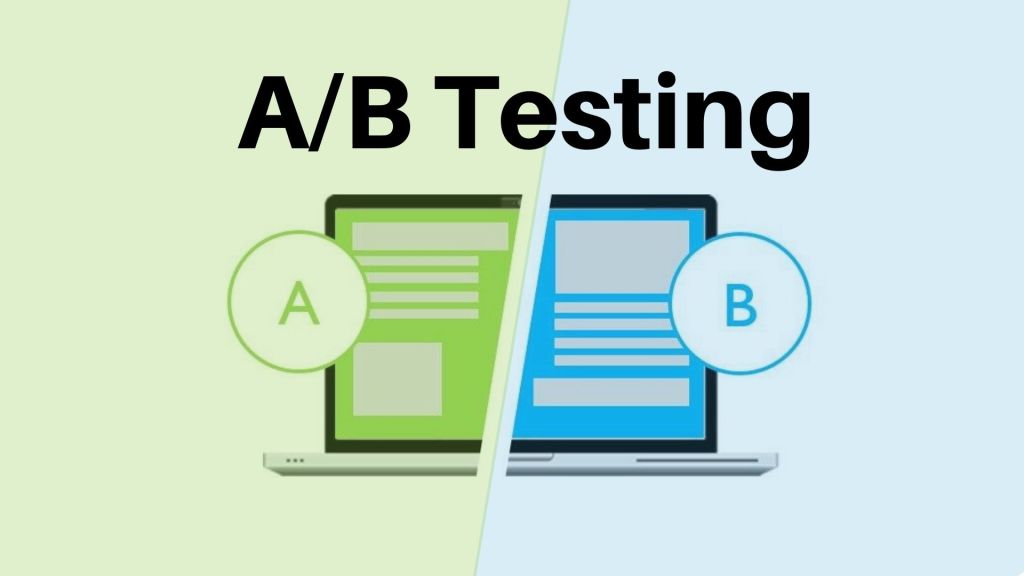
A/B testing, at its core, is a marketing fairy tale where two or more versions of a marketing element (the protagonists) compete for the affection of the audience. The winner, determined by performance metrics, then goes on to live happily ever after, or at least until the next test.
The key components of A/B testing include:
- Control group: This is the original version of the marketing element, serving as the baseline for comparison.
- Variant group: This is the alternative version, featuring one or more changes compared to the control group.
- Metrics to measure success: These are the quantifiable indicators that will determine the winning version.
Imagine a humble, family-owned bakery called “Heavenly Loaves,” looking to boost their email marketing campaign. They’ve got a hunch that a more conversational subject line might tickle the fancy of their subscribers. So, they whip up two variations: the first, a straightforward “30% Off All Bread Today!” and the second, a playful “Get Your Bready-to-Party Hats On: 30% Off Today!”
Armed with these two contenders, Heavenly Loaves embarks on an A/B testing adventure, measuring open rates, click-through rates, and conversions to determine which subject line emerges victorious. The results, like breadcrumbs, guide them toward a more effective and engaging email campaign.
From email subject lines and webpage layouts to social media ad copy and call-to-action buttons, the possibilities for A/B testing are as vast as your imagination. And when done right, this data-driven strategy can help you weave a marketing tapestry that tells a compelling story—one that resonates with your audience and leaves them hungry for more.

Benefits of A/B Testing in Marketing
Picture A/B testing as your friendly neighborhood superhero, swooping in to save the day (or your marketing campaigns). With its data-driven powers, A/B testing can transform your marketing efforts in ways you never thought possible. Here are five super-benefits that A/B testing brings to the marketing table:
- Improved conversion rates: In the great marketing Olympics, conversions are the gold medals we all covet. A/B testing is like a top-notch coach, guiding you towards winning strategies by helping you identify the elements that drive those coveted clicks, sign-ups, or sales.
- Enhanced user experience: Ever walked into a store where everything is impeccably organized and easy to find? That’s the kind of experience A/B testing can help you create for your users. By optimizing elements such as webpage layouts, navigation, and calls-to-action, you can design a user journey that feels intuitive, seamless, and enjoyable.
- Data-driven decision making: A/B testing replaces guesswork with cold, hard data. It’s like having a crystal ball that reveals which marketing choices will resonate with your audience. No more relying on hunches or gut feelings—just undeniable insights that empower you to make informed decisions.
- Reduced risk of costly mistakes: When it comes to marketing, there’s no such thing as a “one-size-fits-all” approach. What works for one brand might spell disaster for another. A/B testing allows you to test the waters on a smaller scale, minimizing the risk of making costly errors that could sink your marketing ship.
- Greater understanding of target audience: Your audience is a fascinating puzzle, and A/B testing helps you uncover the pieces. As you test and analyze different elements, you’ll gain a deeper understanding of your audience’s preferences, behaviors, and motivations. This knowledge is a powerful tool, allowing you to tailor your marketing efforts and foster stronger connections with your audience.
In essence, A/B testing is your marketing GPS, guiding you through the ever-changing landscape of audience preferences and industry trends. By embracing this data-driven sidekick, you’ll be well on your way to creating marketing campaigns that truly make a difference.

How to Conduct an A/B Test
So, you’re ready to embark on an A/B testing adventure. Fear not, intrepid marketer, for the journey is not as daunting as it may seem. Follow these six steps, and you’ll be well on your way to uncovering marketing gold:
- Define your goals: Before setting sail, you must know your destination. What do you hope to achieve with your A/B test? Are you seeking higher click-through rates, increased sales, or perhaps more newsletter sign-ups? Be specific and choose a goal that aligns with your broader marketing objectives.
- Select the variables to test: Now that you have a goal, it’s time to choose your testing variables. Think of these as the instruments you’ll use to navigate the stormy seas of marketing uncertainty. Whether it’s email headlines, ad copy, or call-to-action buttons, pick a variable that has a direct impact on your goal.
- Create control and variant groups: With your variables in hand, it’s time to craft the competing versions of your marketing element. Remember that the control group is your current champion, while the variant group is the challenger, featuring a new twist that you believe could improve performance.
- Determine the sample size: Like any great explorer, you’ll need a crew to help you gather data. In A/B testing, this crew is your sample size—the number of users who will be exposed to each variant. Choosing a larger sample size can provide more reliable results, but don’t forget to consider factors such as your audience size, time, and resources.
- Run the test: With your preparations complete, it’s time to set sail and launch your A/B test. As the data begins to flow in, monitor the performance of each variant, keeping a keen eye on the metrics that matter most to your goal.
- Analyze and interpret the results: The journey may have been thrilling, but now comes the true reward: the treasure trove of insights. Examine the data to determine which variant emerged as the winner and, more importantly, why. Use these findings to refine your marketing strategy, and let the lessons you’ve learned guide you to even greater success.
By following these steps, you’ll not only conduct successful A/B tests but also become a true marketing cartographer, charting a course through the ever-changing landscape of consumer preferences and industry trends. Happy testing!

Best Practices for A/B Testing
A/B testing is a bit like learning to play the piano: anyone can do it, but to truly master it, you must follow certain best practices. To help you create marketing symphonies that resonate with your audience, here are five best practices to keep in mind when conducting A/B tests:
- Start with a strong hypothesis: Think of your hypothesis as sheet music guiding your A/B testing performance. Grounded in data or insights from previous campaigns, a well-crafted hypothesis sets the stage for a successful test, outlining the changes you expect to see and why.
- Test one variable at a time: The secret to a great piano performance is practice—meticulously working on one skill at a time. The same holds true for A/B testing. To accurately determine the impact of each variable, resist the temptation to test multiple changes simultaneously. Patience and focus are the keys to unlocking valuable insights.
- Ensure statistical significance: In the world of A/B testing, statistical significance is akin to hitting the right notes. It’s what separates the amateurs from the virtuosos. Use tools like online calculators to ensure that your results are statistically significant before drawing conclusions and making changes to your marketing campaigns.
- Consider external factors: Just as a piano performance can be influenced by the acoustics of a concert hall, your A/B test results may be affected by external factors like seasonality or current events. Be mindful of these influences, and take them into account when interpreting your results.
- Continuously iterate and learn: A true pianist never stops learning, and neither should a savvy marketer. Use the insights gained from your A/B tests to refine your marketing campaigns and strategies. Remember, every test is an opportunity for growth and improvement.
By following these best practices, you’ll not only create captivating marketing campaigns but also become an A/B testing maestro, skillfully navigating the complex world of consumer preferences and ever-evolving trends. Bravo!
Integrating A/B Testing into Marketing Strategy
Imagine A/B testing as a talented musician, adding depth and richness to your marketing orchestra. To create a truly harmonious performance, it’s essential to integrate A/B testing into your overall marketing strategy. Here are three ways to do just that:
- Continuously improve campaigns: As the conductor of your marketing ensemble, your role is to ensure each section is continually fine-tuned. Regularly use A/B testing to optimize and enhance your marketing campaigns, leading to better results over time.
- Apply learnings to other marketing channels: The sweet melodies of A/B testing can often resonate across different marketing channels. Insights gleaned from one test can help you create a cohesive and effective strategy that sings in harmony.
- Foster a culture of experimentation and data-driven decision making: Encourage your marketing troupe to embrace A/B testing as a tool for learning and growth. By promoting a mindset that prioritizes data-backed decisions, your team will become virtuosos in their field, skillfully adapting to shifting trends and audience preferences.
Conclusion
As the curtain falls on our A/B testing exploration, let’s take a moment to reflect on the journey. We’ve traversed the landscape of data-driven decision-making, delving into the intricacies of A/B testing, and uncovering the secrets to creating captivating marketing campaigns that resonate with our audience.
From the humble bakery seeking to perfect their email subject lines to multinational corporations fine-tuning their ad strategies, A/B testing is the unsung hero that helps businesses of all sizes create marketing masterpieces. By embracing its importance and following best practices, you too can join the ranks of marketing maestros who craft campaigns that strike a chord with their audience.
So, as you venture forth into the dynamic world of marketing, remember the power of A/B testing and the potential it has to elevate your marketing efforts. Keep your ear to the ground, listen to the data, and let A/B testing be the guiding star that leads you to marketing success.


 Marketing Unplugged
Leave a Reply