


In today’s fast-paced digital world, businesses are always looking for ways to reach their audience and stand out from the competition. One powerful tool that’s gaining popularity is live streaming. Live streaming provides a unique opportunity to engage with your audience in real-time, creating a sense of authenticity and transparency that traditional marketing tactics can’t match.
In this article, we’ll explore the power of live streaming in marketing and provide practical tips for creating a successful live video strategy. We’ll start by discussing the benefits of live streaming, including increased engagement, authenticity, cost-effectiveness, and reach. Then, we’ll dive into tips for creating a successful live video strategy, including defining your goals and target audience, planning and preparing your content, promoting your live video in advance, optimizing technical aspects, interacting with your audience during the live video, and following up after the live video.
We’ll also share best practices for specific platforms, including Facebook Live, Instagram Live, YouTube Live, and Twitch. And to give you a better understanding of how live streaming can be used in marketing, we’ll share case studies of successful live video campaigns from smaller lesser-known companies.
By the end of this article, you’ll have a better understanding of the power of live streaming in marketing and the practical tips and strategies you can use to create successful live video campaigns for your business.
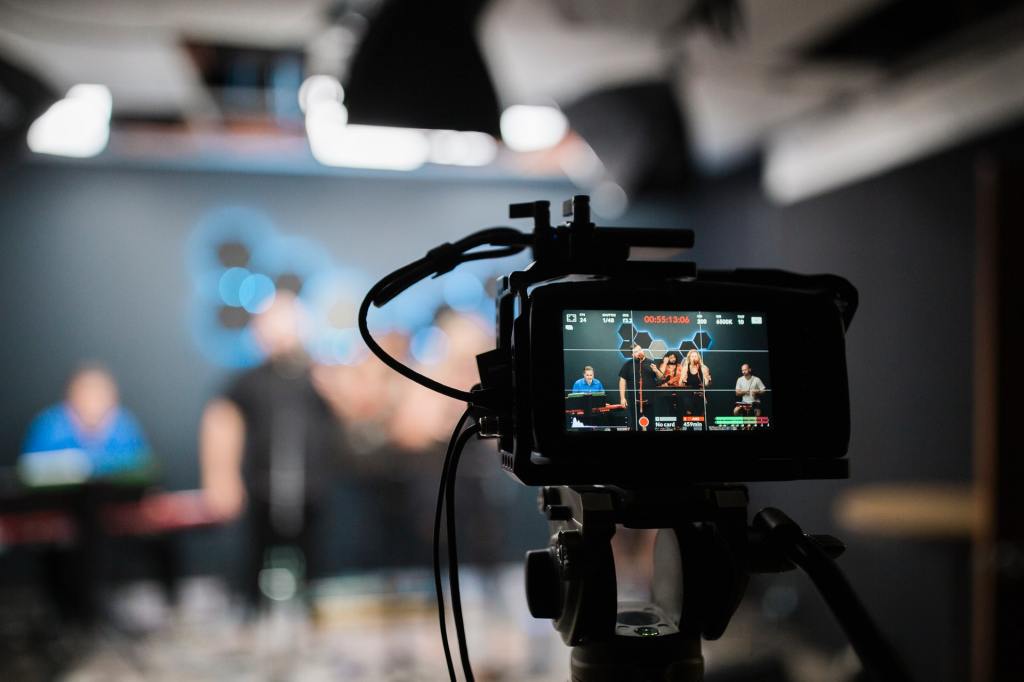
Benefits of live streaming in marketing
Live streaming has quickly become a powerful tool for businesses to engage with their audience in new and exciting ways. Here are just a few of the many benefits of incorporating live streaming into your marketing strategy:
Increased Audience Engagement:
One of the biggest advantages of live streaming is that it provides a unique opportunity to engage with your audience in real-time. Unlike pre-recorded videos, live streaming allows viewers to interact with the host and ask questions, creating a sense of community and connection that can’t be replicated in other forms of content. This engagement not only helps build trust and credibility with your audience but can also lead to increased brand awareness and customer loyalty.
Greater Authenticity and Transparency:
Live streaming also provides a level of authenticity and transparency that’s hard to achieve with pre-recorded content. By going live, you’re showing your audience the real you, warts and all. This vulnerability can be scary, but it can also be incredibly powerful in building a connection with your audience. Plus, live streaming allows you to address any questions or concerns your audience may have on the spot, which can go a long way in building trust.
Cost-Effectiveness:
Compared to traditional marketing tactics like television commercials or print ads, live streaming is a relatively low-cost way to reach your audience. With just a smartphone and an internet connection, you can create high-quality content that can reach a large audience. Plus, because live streaming is often more casual and less scripted than other forms of content, it can be quicker and easier to produce.
Greater Reach and Scalability:
Live streaming also provides a level of reach and scalability that’s hard to achieve with other forms of content. With platforms like Facebook Live, Instagram Live, YouTube Live, and Twitch, you can reach a large audience in real-time, regardless of their location. Plus, because live streams can be saved and shared after the fact, they can continue to reach new viewers long after the live event has ended.
Overall, live streaming provides a unique opportunity for businesses to engage with their audience in new and exciting ways. By incorporating live streaming into your marketing strategy, you can increase audience engagement, build trust and credibility, reach new audiences, and do it all in a cost-effective and scalable way.

Tips for a successful live video strategy
Now that we’ve discussed the benefits of live streaming in marketing, let’s dive into some practical tips for creating a successful live video strategy:
Define Goals and Target Audience:
The first step in creating a successful live video strategy is to define your goals and target audience. What do you want to achieve with your live video? Are you looking to promote a new product or service, provide education or training, or simply engage with your audience? Once you’ve defined your goals, you can then identify your target audience and tailor your content to their needs and preferences.
Plan and Prepare the Content:
Just like with any other form of content, it’s important to plan and prepare your live video content in advance. This includes creating an outline or script, preparing any visual aids or props, and rehearsing your presentation. By doing this, you’ll be able to create a more polished and professional live video that will resonate with your audience.
Promote the Live Video in Advance:
To ensure that your live video reaches as many people as possible, it’s important to promote it in advance. This includes creating social media posts, sending out email reminders, and even running paid ads. By promoting your live video in advance, you’ll be able to build anticipation and ensure that your audience is aware of the upcoming event.
Optimize Technical Aspects for a Smooth Experience:
When it comes to live streaming, technical difficulties can quickly derail your live video. To ensure a smooth experience for your audience, it’s important to optimize the technical aspects of your live video. This includes having a stable internet connection, using high-quality equipment, and testing everything before you go live.
Interact with the Audience During the Live Video:
One of the biggest advantages of live streaming is the ability to interact with your audience in real-time. Make sure to encourage your audience to ask questions, leave comments, and provide feedback during the live video. This will not only increase engagement but also help you understand your audience’s needs and preferences better.
Follow Up After the Live Video:
Finally, it’s important to follow up after the live video to continue the conversation with your audience. This includes sharing the recorded video on social media, sending out a follow-up email, or even hosting a Q&A session to address any remaining questions or concerns.
By following these practical tips, you can create a successful live video strategy that engages your audience, builds trust and credibility, and ultimately achieves your business goals.

Best practices for specific platforms
Different live streaming platforms have their own unique features, audiences, and best practices. Here are some tips to help you create successful live videos on specific platforms:
Facebook Live:
With over 2 billion monthly active users, Facebook is one of the most popular social media platforms for live streaming. Here are some tips for creating successful live videos on Facebook:
- Use a strong headline and description to attract viewers
- Engage with your audience by responding to comments and questions in real-time
- Use Facebook Live’s polling feature to gather feedback and engage your audience
- Promote your Facebook Live video in advance through social media posts, email newsletters, and paid ads
- Use Facebook Insights to track your video’s performance and optimize for future videos
Instagram Live:
Instagram Live is a popular platform for engaging with a younger, mobile-first audience. Here are some tips for creating successful live videos on Instagram:
- Use a strong title and description to attract viewers
- Promote your Instagram Live in advance through Instagram Stories and posts
- Use Instagram’s interactive features like polls and Q&A to engage your audience
- Collaborate with other Instagram users to cross-promote your Live video
- Share your Live video on your Instagram Stories after it ends to reach more viewers
YouTube Live:
YouTube Live is a great platform for reaching a global audience and creating evergreen content. Here are some tips for creating successful live videos on YouTube:
- Use a strong title and description to attract viewers
- Promote your YouTube Live in advance through social media posts and email newsletters
- Use YouTube’s interactive features like live chat and super chat to engage your audience
- Collaborate with other YouTube creators to cross-promote your Live video
- Optimize your video’s metadata and tags to improve discoverability and SEO
Twitch:
Twitch is a live streaming platform that’s popular among gamers and esports enthusiasts. Here are some tips for creating successful live videos on Twitch:
- Use a strong title and description to attract viewers
- Engage with your audience by responding to comments and questions in real-time
- Use Twitch’s interactive features like chat, polls, and overlays to engage your audience
- Collaborate with other Twitch streamers to cross-promote your Live video
- Use Twitch analytics to track your video’s performance and optimize for future videos
By following these best practices, you can create successful live videos on specific platforms and reach your target audience effectively.
Case studies of successful live video campaigns
Case studies are an excellent way to learn from real-life examples of successful live video campaigns. In this section, we’ll explore four companies that have used live streaming in marketing to engage with their audience, showcase their products or services, and provide valuable education and support. Through these case studies, we’ll see the benefits of live streaming and how it can be used effectively on different platforms to achieve business goals.
KiwiCo – Facebook Live
KiwiCo is a company that delivers hands-on activities for kids through monthly subscription boxes. The company has a strong social media presence, with a large following on Facebook. To engage with their audience and showcase their products, KiwiCo used Facebook Live.
In one Facebook Live event, the company invited a science expert to demonstrate a science experiment from one of their boxes. The expert walked viewers through the experiment step-by-step, answering questions and encouraging engagement throughout. The company also offered a giveaway for viewers who participated in the event.
The result? The Facebook Live video received over 12,000 views and generated a lot of buzz for the company. KiwiCo also saw an increase in subscriptions following the event. By leveraging the power of live streaming, KiwiCo was able to engage with their audience in a unique and exciting way, building trust and credibility with their target audience.
Brindleberry Acres – Instagram Live
Brindleberry Acres is a small farm that specializes in growing organic produce. The company is committed to sustainable farming practices and wants to educate their audience on the importance of sustainability. To achieve this, Brindleberry Acres used Instagram Live.
In one Instagram Live event, the owner of the farm took viewers on a tour of the farm, explaining their farming methods and showcasing their products. The owner also answered questions from viewers and provided tips on how to grow their own organic produce at home.
The result? The Instagram Live video received over 1,500 views and generated a lot of engagement for the company. Brindleberry Acres saw an increase in website traffic and social media engagement following the event. By using Instagram Live, the company was able to showcase their commitment to sustainability and educate their audience in an engaging and interactive way.
Pooch Paper – YouTube Live
Pooch Paper is a company that sells environmentally friendly dog poop bags. The company is committed to reducing plastic waste and wants to educate their audience on the importance of sustainability. To achieve this, Pooch Paper used YouTube Live.
In one YouTube Live event, the company invited a sustainability expert to talk about the impact of plastic waste on the environment and how Pooch Paper’s product can help. The expert provided valuable insights and answered questions from viewers throughout the event.
The result? The YouTube Live video received over 2,000 views and generated a lot of buzz for the company. Pooch Paper saw an increase in website traffic and social media engagement following the event. By using YouTube Live, the company was able to educate their audience on the importance of sustainability and position their product as a solution to a pressing environmental issue.
The Indie Rollercoaster – Twitch
The Indie Rollercoaster is a company that supports small business owners and creatives. The company offers coaching and support to help people build successful businesses. To provide this support in an engaging and interactive way, The Indie Rollercoaster used Twitch.
In one Twitch event, the company invited a guest speaker to talk about how to market your business on a shoestring budget. The expert provided valuable insights and advice to the viewers, answering questions and providing one-on-one coaching sessions for those who had questions about their businesses.
The result? The Twitch event received over 500 views and generated a lot of engagement for the company. The Indie Rollercoaster saw an increase in social media engagement and email subscribers following the event. By using Twitch, the company was able to provide valuable coaching and support to their audience in a fun and interactive way.
These case studies demonstrate the power of live streaming in marketing and how it can be used to engage with your audience, showcase your products or services, and provide valuable education and support.

Conclusion
Live streaming has become an increasingly popular tool for marketers looking to engage with their audience in a more authentic and interactive way. From small businesses to large corporations, companies are using live video to showcase their products or services, provide valuable education and support, and build trust and credibility with their target audience.
By following the tips and best practices outlined in this article, you can create a successful live video strategy that achieves your business goals and resonates with your audience. From defining your goals and target audience to promoting your live video in advance and optimizing the technical aspects for a smooth experience, there are several key steps to creating a successful live video campaign.
Additionally, by leveraging the unique features of specific platforms such as Facebook Live, Instagram Live, YouTube Live, and Twitch, you can tailor your content to the needs and preferences of your target audience, increasing engagement and building a loyal following.
Through the case studies of KiwiCo, Brindleberry Acres, Pooch Paper, and The Indie Rollercoaster, we’ve seen how live streaming can be used to achieve business goals in creative and engaging ways. These examples demonstrate the power of live streaming in marketing and highlight how it can be used effectively on different platforms to reach a wide and engaged audience.
In conclusion, if you’re not already using live video in your marketing strategy, now is the time to start. By embracing the power of live streaming, you can build trust and credibility with your audience, drive engagement and conversions, and ultimately achieve your business goals.


 Marketing Unplugged
Leave a Reply