


As marketers, we are constantly looking for new and innovative ways to connect with our audience. One such method that has gained popularity in recent years is location-based marketing. By using geographic data, businesses can target their messaging and offers to customers when they are most likely to be interested and engaged.
The benefits of location-based marketing are numerous. Not only does it allow for a more personalized and relevant experience for the customer, but it can also lead to increased foot traffic and sales for the business. For smaller and lesser-known companies, this can be especially beneficial, as it allows them to compete with larger brands by reaching customers where they are.
One example of a small company that has seen success with location-based marketing is the clothing retailer Betabrand. By using geotargeting to target ads to people within a certain distance of their store, they saw a 60% increase in in-store sales. This is a testament to the power of location-based marketing and its ability to drive real results for businesses.
However, location-based marketing is not without its challenges and considerations. Privacy concerns and legal compliance are important factors to keep in mind, as is the accuracy and reliability of the data being used. But with the right strategy and approach, businesses can successfully leverage location-based marketing to create meaningful connections with their customers and drive business growth.
In this article, we’ll dive deeper into location-based marketing and explore its many benefits, as well as the tools and technologies used to make it possible. We’ll also discuss best practices for implementing location-based marketing strategies and the challenges and considerations businesses should keep in mind. So whether you’re a small business owner or a seasoned marketer, read on to learn how you can use location-based marketing to reach your customers where they are.

The Importance of Location-Based Marketing
Location-based marketing is more than just a buzzword – it’s a valuable tool that can help businesses connect with customers in a more targeted and personalized way. By using geographic data to target messaging and offers, businesses can reach customers when they are most likely to be interested and engaged.
The benefits of location-based marketing are numerous, both for businesses and customers. For customers, location-based marketing offers convenience and relevance, as they receive messages and offers that are tailored to their current location and interests. For businesses, it can lead to increased foot traffic, higher engagement rates, and ultimately, more sales.
But location-based marketing is not just for the big players – smaller and lesser-known companies can benefit from it as well. In fact, location-based marketing can be a valuable tool for smaller companies to compete with larger brands by reaching customers where they are.
One example of a smaller company that has seen success with location-based marketing is the San Francisco-based clothing retailer Betabrand. By using geotargeting to send messages to people within a certain radius of their store, they saw a 60% increase in in-store sales. This is a testament to the power of location-based marketing and its ability to drive real results for businesses of all sizes.
Overall, location-based marketing is a valuable tool that businesses should consider incorporating into their overall marketing strategy. By using geographic data to create targeted and personalized messaging and offers, businesses can increase engagement and ultimately drive sales.
Understanding Location-Based Marketing
To truly understand location-based marketing, we must first define what it is and how it works. At its core, location-based marketing is a strategy that uses geographic data to target customers with relevant messages and offers based on their physical location or a location related to their interests.
There are several types of location-based marketing strategies, including geotargeting, geofencing, and beacon technology. Geotargeting involves targeting ads or messages to people based on their location, while geofencing involves creating a virtual boundary around a physical location to target customers who enter that area. Beacon technology, on the other hand, uses small wireless devices to send messages to customers who are nearby.
All of these strategies rely on accurate and up-to-date data to be effective. GPS is perhaps the most well-known location-based technology, but it’s not the only one. Wi-Fi, Bluetooth, and NFC can also be used to determine a user’s location and are often used in location-based marketing campaigns.
But simply understanding the technology isn’t enough – businesses must also understand how to use location-based marketing effectively. This means creating messaging and offers that are relevant to the customer’s location and interests, as well as designing a campaign that is seamless and user-friendly.
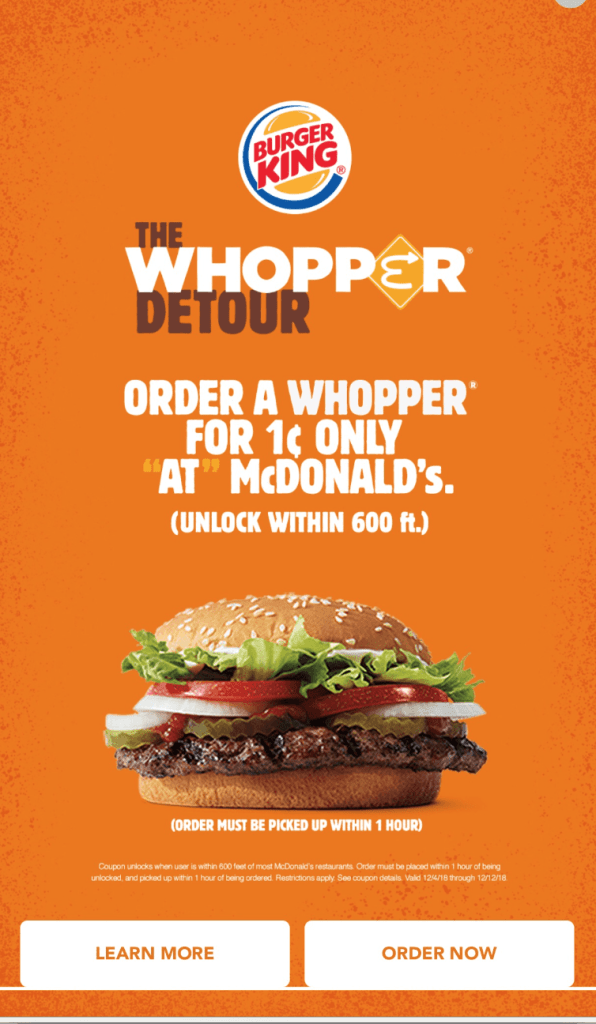
One company that has effectively used location-based marketing is the fast-food chain Burger King. They used geofencing to target customers who were near their competitors’ locations with an offer for a one-cent Whopper burger. The campaign was a huge success, driving a significant amount of foot traffic and generating buzz on social media.
Overall, understanding location-based marketing is crucial for businesses looking to create targeted and personalized experiences for their customers. By using the right tools and strategies, businesses can increase engagement and drive sales, ultimately leading to a more successful and profitable business.
Tools and Technologies for Location-Based Marketing
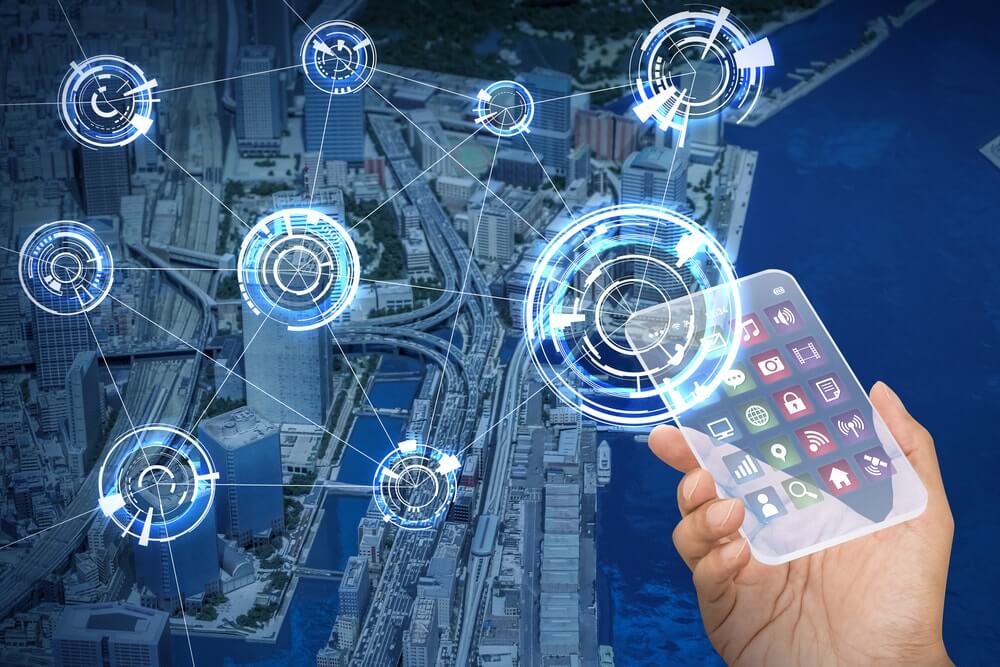
Location-based marketing relies heavily on a variety of tools and technologies to work effectively. These tools and technologies help businesses gather and analyze data, and then use that data to target messaging and offers to the right customers at the right time.
GPS is perhaps the most well-known technology used in location-based marketing. It allows businesses to track the location of users through their mobile devices, providing them with valuable data that can be used to create targeted messaging and offers.
Wi-Fi is another important technology that can be used for location-based marketing. While GPS is great for outdoor locations, it’s not always as accurate indoors. Wi-Fi, however, can help businesses pinpoint a user’s location with greater accuracy, making it an excellent tool for indoor location-based marketing campaigns.
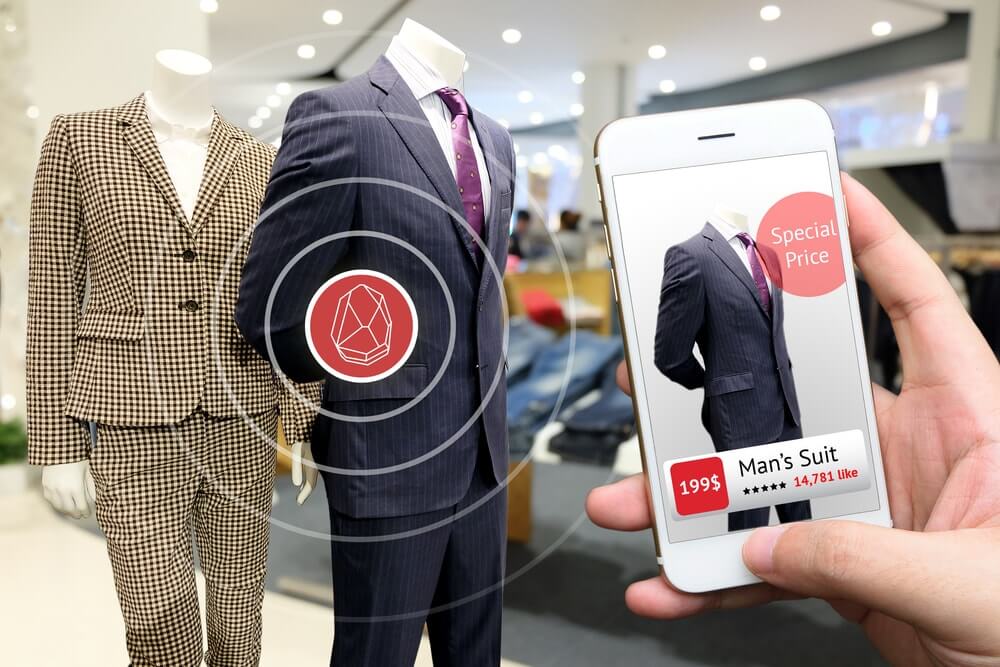
Bluetooth is another technology that can be used for location-based marketing, particularly when it comes to beacon technology. Beacons are small wireless devices that are placed in specific physical locations, such as a store or museum. When a customer with a Bluetooth-enabled device comes within range of the beacon, they can receive targeted messaging or offers.
NFC, or near field communication, is a technology that allows devices to communicate with each other when they’re in close proximity. It’s often used for mobile payments, but it can also be used for location-based marketing. For example, a store might use NFC to send a message to a customer’s device when they’re near the store, offering them a discount or other incentive to come in and shop.
When it comes to choosing the right technology for location-based marketing, businesses must consider several factors, including the accuracy of the data, the cost-effectiveness of the technology, and the overall user experience.
One smaller company that has effectively used location-based marketing technology is the California-based pet store chain Pet Food Express. They used beacons to send messages to customers when they entered their stores, offering them deals on specific products or reminding them about upcoming events. This helped to drive foot traffic and increase sales, ultimately leading to a more successful business.
Overall, the tools and technologies used in location-based marketing are constantly evolving, and businesses must stay up-to-date on the latest trends and technologies to create successful campaigns. By leveraging the right technology and using it effectively, businesses can create targeted and personalized experiences for their customers, leading to increased engagement and ultimately, more sales.
Implementing Location-Based Marketing Strategies
Implementing location-based marketing strategies requires careful planning and execution to ensure that the campaign is successful. There are several steps businesses must take to create effective location-based marketing campaigns that resonate with their target audience.
The first step is to set clear goals and objectives for the campaign. What is the business hoping to achieve with this campaign? Is it to increase foot traffic to their store, or to drive online sales? Once the goals are defined, businesses can create messaging and offers that are aligned with these goals.
The next step is to define the target audience for the campaign. Who are the customers the business is trying to reach? What are their interests and behaviors? By understanding the target audience, businesses can create messaging and offers that are tailored to their needs and interests.
Choosing the right location-based marketing strategy is also crucial for success. This will depend on the goals of the campaign and the target audience. For example, a geofencing strategy might be best for a business trying to drive foot traffic to their physical store, while a beacon technology strategy might be better suited for a museum or tourist attraction.
Designing the campaign is another important step. The messaging and offers should be personalized and relevant to the customer’s location and interests. The visuals should be eye-catching and attention-grabbing, and the offer should be compelling enough to drive action.
Launching the campaign requires careful planning and execution. Businesses should ensure that the messaging and offers are delivered to the right audience at the right time. They should also make sure that the customer experience is seamless, from receiving the message to redeeming the offer.
Measuring the success of the campaign is also crucial for understanding what worked and what didn’t. Businesses should track metrics such as engagement rates, foot traffic, and sales to determine the effectiveness of the campaign.
One smaller company that successfully implemented a location-based marketing campaign is the San Francisco-based restaurant chain Souvla. They used geofencing to target customers who were in the area with an offer for a free item with purchase. The campaign was a huge success, driving a significant amount of foot traffic and ultimately increasing sales.
Overall, implementing successful location-based marketing strategies requires careful planning, execution, and measurement. By following these steps and staying up-to-date on the latest trends and technologies, businesses can create effective campaigns that resonate with their target audience and drive results.
Challenges and Considerations
While location-based marketing can be a powerful tool for businesses, there are several challenges and considerations they must keep in mind when implementing this strategy.
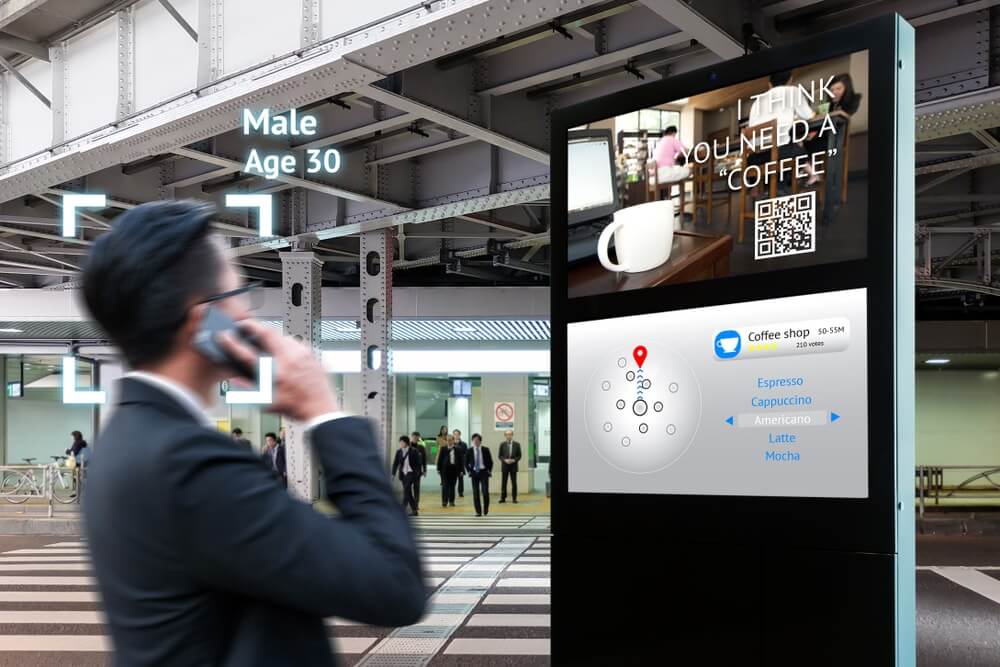
Privacy concerns are a major consideration when it comes to location-based marketing. Customers may feel uncomfortable with businesses collecting their location data, and businesses must be transparent about how they collect and use this data. It’s important to collect only the necessary data and to have clear policies in place for how the data is used and stored.
Legal compliance is another consideration when it comes to location-based marketing. There are laws and regulations that govern the collection and use of customer data, and businesses must ensure that they are complying with these laws. For example, the General Data Protection Regulation (GDPR) in the European Union requires businesses to obtain consent from users before collecting their personal data.
Technical issues can also be a challenge with location-based marketing. The accuracy and reliability of the data being used is crucial, and businesses must ensure that they have access to high-quality data. Inaccurate data can lead to ineffective campaigns and a poor user experience.
One smaller company that faced a privacy challenge with location-based marketing is the mobile advertising company Verve. In 2017, the company settled with the Federal Trade Commission over allegations that they collected and used location data without user consent. This highlights the importance of ensuring that businesses are transparent and ethical when it comes to collecting and using customer data.
Overall, businesses must carefully consider the privacy, legal, and technical implications of location-based marketing. By taking a responsible and ethical approach, businesses can create effective campaigns that resonate with their customers without compromising their privacy or violating laws and regulations.

Future of Location-Based Marketing
The future of location-based marketing looks bright, with advancements in technology and data analytics driving new opportunities for businesses to create personalized and immersive experiences for their customers.
One trend that is expected to shape the future of location-based marketing is increased personalization. As businesses collect more data on their customers, they will be able to create even more targeted and personalized messaging and offers. This will lead to a more engaging and relevant experience for customers, ultimately driving increased sales and loyalty.
Greater integration with other marketing channels is another trend that is expected to shape the future of location-based marketing. By combining location-based data with other types of customer data, businesses will be able to create more comprehensive profiles of their customers and deliver even more personalized messaging and offers.
The use of artificial intelligence and machine learning is also expected to have a significant impact on location-based marketing. By analyzing large amounts of data, businesses will be able to gain insights into customer behavior and preferences, and create more effective campaigns as a result.
Emerging technologies such as 5G, IoT, and AR are also expected to shape the future of location-based marketing. These technologies will allow businesses to create even more personalized and immersive experiences for their customers. For example, retailers may use AR technology to allow customers to see how furniture will look in their home before making a purchase.
Overall, the future of location-based marketing looks promising, with businesses able to leverage new technologies and data analytics to create even more personalized and engaging experiences for their customers. By staying up-to-date on the latest trends and technologies, businesses can continue to drive engagement and sales through location-based marketing for years to come.

Conclusion
Location-based marketing is a powerful tool for businesses looking to create personalized and relevant experiences for their customers. By using geographic data to target messaging and offers, businesses can reach customers when they are most likely to be interested and engaged.
The benefits of location-based marketing are numerous, including increased foot traffic, higher engagement rates, and ultimately, more sales. For smaller and lesser-known companies, location-based marketing can be especially beneficial, allowing them to compete with larger brands by reaching customers where they are.
While there are challenges and considerations to keep in mind, such as privacy concerns and legal compliance, businesses can overcome these by taking a responsible and ethical approach to collecting and using customer data.
Looking ahead, the future of location-based marketing is promising, with advancements in technology and data analytics driving new opportunities for businesses to create even more personalized and immersive experiences for their customers. By staying up-to-date on the latest trends and technologies, businesses can continue to drive engagement and sales through location-based marketing for years to come.
Overall, location-based marketing is a valuable tool that businesses should consider incorporating into their overall marketing strategy. By leveraging the right tools and strategies, businesses can create targeted and personalized experiences for their customers, leading to increased engagement and ultimately, more sales.

 Marketing Unplugged
Leave a Reply