


In recent years, the world of wearable technology has exploded with a flurry of smart devices designed to improve our lives. From smartwatches that allow us to stay connected without pulling out our phones, to fitness trackers that monitor our health and fitness levels, and even virtual reality headsets that transport us to other worlds, wearable tech has transformed the way we live, work, and play.
The impact of wearable tech is not just limited to the individual consumer. It has revolutionized various industries, including healthcare, fitness, fashion, and technology. For instance, wearable tech has enabled healthcare professionals to monitor their patients remotely, allowing for more personalized and efficient care. It has also allowed fitness enthusiasts to track their progress and achieve their goals with ease.
However, with so many wearable tech products flooding the market, it can be difficult for businesses to stand out from the crowd and capture the attention of potential customers. That’s where marketing comes in. Marketing is a crucial aspect of any wearable tech business, helping businesses to establish a brand identity, reach their target audience, and promote their unique selling points.
In this article, we will delve deeper into the world of wearable tech marketing. We will explore how to identify your target audience, develop unique selling points, build a strong brand identity, and implement effective marketing strategies. We will provide real-life examples of successful wearable tech marketing campaigns, as well as discuss future trends in the industry. By the end of this article, you will have a better understanding of how to successfully market your wearable tech products and stand out in a competitive market.

Understanding the target audience
To effectively market wearable tech products, it is crucial to understand your target audience. Identifying your primary market segments is the first step towards creating a successful marketing strategy. In the wearable tech industry, there are four primary market segments: fitness enthusiasts, healthcare professionals and patients, tech-savvy professionals, and fashion-forward individuals.
Creating personas is an effective way to better understand the consumer needs of each market segment. Personas are fictional characters that represent your ideal customer, providing you with a deeper understanding of their wants, needs, and pain points. For example, a small lesser-known company that creates wearable tech products for healthcare professionals can develop a persona of a typical healthcare worker. By understanding their daily routines, work requirements, and pain points, the company can create products that meet their specific needs.
Analyzing market trends and consumer behavior is another crucial aspect of understanding your target audience. For example, a small company that creates fitness trackers can analyze market trends to determine which features are most popular among fitness enthusiasts, what kind of design elements are currently in demand, and which marketing strategies have been successful for similar products.
By identifying your target audience and understanding their needs, you can create products and marketing campaigns that are tailored to their specific needs. This will help you to establish a strong connection with your target audience and build a loyal customer base.

Unique selling points (USPs) of wearable tech
One of the key factors that will set your wearable tech products apart from the competition is your unique selling points (USPs). Understanding what sets your product apart from others in the market is crucial to developing a successful marketing strategy.
One of the most important USPs of wearable tech is convenience and ease of use. Wearable tech products are designed to be worn all day, providing quick and easy access to information and notifications. For example, a small lesser-known company that creates smart glasses can market their product as a hands-free device that provides quick access to information, without the need to pull out a phone or tablet.
Health and fitness tracking capabilities are another important USP of wearable tech. Many wearable tech products are designed to monitor various health metrics, including heart rate, steps taken, and calories burned. For example, a small company that creates smartwatches can market their product as a comprehensive health and fitness tracker, providing users with real-time feedback on their workouts and daily activities.
Personalized user experiences are also an important USP of wearable tech. Many wearable tech products are designed to learn from user behavior and provide personalized recommendations and feedback. For example, a small company that creates smart clothing can market their product as a customized fit that adjusts to the user’s unique body shape and provides personalized fitness recommendations.
Fashion and style are also becoming increasingly important USPs of wearable tech products. Wearable tech products are no longer just functional devices, but also fashion accessories that can be worn to complement an individual’s style. For example, a small company that creates smart jewelry can market their product as a stylish accessory that also provides convenient access to information and notifications.
Finally, integration with other smart devices is an important USP of wearable tech. Many wearable tech products are designed to seamlessly integrate with other smart devices, providing users with a comprehensive ecosystem of products that work together. For example, a small company that creates smart headphones can market their product as a device that integrates with other smart devices, such as smartphones and smartwatches.
By understanding your unique selling points, you can develop a marketing strategy that effectively communicates your product’s value to potential customers. Whether it’s convenience, health and fitness tracking, personalized user experiences, fashion and style, or integration with other smart devices, understanding what sets your product apart from the competition is crucial to success in the wearable tech industry.

Building a strong brand identity
Building a strong brand identity is crucial in the wearable tech industry. A cohesive brand image can help businesses establish trust and credibility with their target audience, as well as differentiate their products from the competition.
One of the most important aspects of building a strong brand identity is creating a cohesive brand image. This includes designing a recognizable logo, selecting a color palette and typography that reflect the brand’s personality, and establishing consistent brand messaging across all marketing channels. For example, a small lesser-known company that creates smart jewelry can develop a logo that incorporates the product’s unique features, such as gemstones or intricate metalwork.
Crafting a compelling brand story is also an important aspect of building a strong brand identity. The brand story should reflect the company’s mission and values, as well as highlight what sets their products apart from the competition. For example, a small company that creates smart clothing can craft a brand story that emphasizes the product’s combination of fashion and technology, as well as its potential to transform the way people interact with clothing.
Establishing a brand persona that resonates with the target audience is another important aspect of building a strong brand identity. The brand persona is the personality of the brand, and should reflect the values and attitudes of the target audience. For example, a small company that creates smart glasses can establish a brand persona that is innovative and forward-thinking, reflecting the values of the tech-savvy professionals who are likely to be interested in their product.
Creating a recognizable and memorable logo is also important in building a strong brand identity. The logo should be simple, unique, and easily identifiable. For example, a small company that creates fitness trackers can design a logo that incorporates a symbol of health and fitness, such as a running shoe or a heart rate monitor.
By building a strong brand identity, businesses can establish themselves as leaders in the wearable tech industry and differentiate their products from the competition. Whether it’s creating a cohesive brand image, crafting a compelling brand story, establishing a brand persona, or designing a recognizable logo, a strong brand identity is crucial to success in the wearable tech industry.

Marketing strategies for wearable tech
Developing effective marketing strategies is crucial in the wearable tech industry, where competition is fierce and customers have many options to choose from. In order to stand out from the crowd, businesses need to utilize a variety of marketing channels and tactics to reach their target audience and promote their unique selling points. Here are some of the most effective marketing strategies for wearable tech, with more detail and examples:
Social media marketing is a powerful tool for building a brand and engaging with customers. By creating a strong social media presence on platforms such as Facebook, Instagram, and Twitter, businesses can connect with their target audience, build brand awareness, and promote their products. For example, a small company that creates smart jewelry can use Instagram to showcase their products and collaborate with influencers who share their target audience. They can also run targeted ads on social media platforms to reach specific demographics, such as women who are interested in fashion and technology.
Content marketing is another effective strategy for promoting wearable tech products. By creating valuable and informative content such as blog posts, videos, and whitepapers, businesses can establish themselves as thought leaders in the industry and build trust with their target audience. For example, a small company that creates fitness trackers can create blog posts that provide tips for achieving fitness goals and share success stories from customers who have used their products. They can also produce video content such as tutorials and product demos that showcase the features and benefits of their products.
Email marketing is a powerful tool for nurturing leads and engaging customers. By building a targeted email list and sending personalized and timely email campaigns, businesses can increase customer retention and promote their products. For example, a small company that creates smart clothing can use email marketing to send personalized fitness recommendations and updates on new product releases to their customers.
Public relations and media outreach are important for increasing brand awareness and promoting new products. By establishing relationships with industry journalists and influencers, businesses can generate buzz and attract attention to their products. For example, a small company that creates smart glasses can host a media event to showcase their product and invite journalists and influencers to try it out. They can also pitch unique stories and news items to journalists and bloggers in their industry.
Search engine optimization (SEO) is important for increasing website traffic and visibility. By identifying relevant keywords and phrases and optimizing website content for search engines, businesses can increase their chances of appearing at the top of search results. For example, a small company that creates smartwatches can optimize their website for keywords related to health and fitness tracking, such as “step tracker” and “calorie counter”. They can also build high-quality backlinks by collaborating with other websites and influencers in their industry.
Paid advertising is another effective strategy for promoting wearable tech products. By utilizing pay-per-click (PPC) advertising on platforms like Google Ads, businesses can target their ads to specific audiences and increase visibility. For example, a small company that creates smart headphones can run a targeted social media ad campaign to promote their product to music enthusiasts. They can also explore native advertising and sponsored content, which involves promoting their product in a subtle and organic way within existing content on other websites and social media channels.
By utilizing a combination of these marketing strategies, businesses can effectively promote their wearable tech products and reach their target audience. Whether it’s social media marketing, content marketing, email marketing, public relations and media outreach, SEO, or paid advertising, a well-rounded marketing strategy is crucial to success in the wearable tech industry.

Measuring marketing success
Measuring marketing success is crucial in the wearable tech industry, where businesses need to constantly adapt and adjust their marketing strategies to stay ahead of the competition. By analyzing data and metrics, businesses can determine what is working and what is not, and make data-driven decisions to improve their marketing efforts. Here are some of the key areas to measure when assessing the success of wearable tech marketing:
Website traffic and engagement metrics are important indicators of how effectively a business is reaching its target audience. Metrics such as page views, bounce rates, and time spent on site can provide valuable insights into how engaged visitors are with a website. For example, a small company that creates smart glasses can use Google Analytics to track how many visitors are coming to their website, how long they are staying, and which pages are most popular.
Social media engagement and reach are also important metrics to measure, as they can provide insights into how effectively a business is engaging with its target audience on social media. Metrics such as likes, comments, and shares can indicate how engaged followers are with a business’s social media content. For example, a small company that creates smart jewelry can use social media analytics tools to track how many likes and comments their posts are receiving, and which types of content are generating the most engagement.
Conversion rates and sales revenue are perhaps the most important metrics to measure when assessing the success of wearable tech marketing. By tracking how many website visitors are converting into customers and how much revenue is being generated, businesses can determine how effective their marketing efforts are at driving sales. For example, a small company that creates fitness trackers can use conversion tracking to determine how many website visitors are converting into customers, and which marketing channels are driving the most conversions.
Email marketing performance is another important area to measure, as it can provide insights into how effectively a business is engaging with its email subscribers. Metrics such as open rates, click-through rates, and unsubscribe rates can indicate how engaged subscribers are with a business’s email campaigns. For example, a small company that creates smart clothing can use email marketing analytics to track how many subscribers are opening their emails, clicking through to their website, and making purchases.
ROI of paid advertising campaigns is also important to measure, as it can provide insights into how effectively a business is using its advertising budget. By tracking how much revenue is being generated from paid advertising campaigns, businesses can determine whether the cost of advertising is justified. For example, a small company that creates smart headphones can use Google Ads analytics to track how many sales are being generated from their ad campaigns, and how much revenue is being generated for each dollar spent on advertising.
By utilizing analytics tools and platforms to measure marketing success, businesses can make data-driven decisions to improve their marketing efforts and stay ahead of the competition. Whether it’s tracking website traffic and engagement metrics, social media engagement and reach, conversion rates and sales revenue, email marketing performance, or the ROI of paid advertising campaigns, measuring marketing success is crucial to success in the wearable tech industry.

Case studies: Successful wearable tech marketing campaigns
Case studies of successful wearable tech marketing campaigns can provide valuable insights into the strategies and tactics that work best when promoting wearable tech products. Here are some examples of effective marketing campaigns in the wearable tech industry, with more detail and analysis:
Fitbit’s #FindYourFit Campaign
Fitbit is a leading manufacturer of fitness trackers and smartwatches. To promote its products and encourage users to set and achieve fitness goals, the company launched the #FindYourFit campaign. This campaign was a multi-channel effort that included social media, video advertisements, and influencer partnerships.
On social media, Fitbit encouraged users to share their fitness stories and photos on Instagram using the hashtag #FindYourFit. This created a sense of community around the campaign and generated a significant amount of user-generated content. Fitbit also created a series of video advertisements featuring athletes and fitness enthusiasts, which were shared on social media and other digital channels.
To reach a wider audience and tap into different niches, Fitbit partnered with health and fitness influencers to promote their products. For example, the company collaborated with Olympic gold medalist swimmer Ryan Lochte to promote its swim tracking features. This helped Fitbit reach new audiences and build credibility with existing ones.
Overall, the #FindYourFit campaign was a success in positioning Fitbit as a leader in the fitness tracking industry and encouraging users to set and achieve fitness goals using its products.
Fossil’s Smartwatch Launch
Fossil is a well-known watch manufacturer that entered the smartwatch market in 2019 with a line of smartwatches. To promote its new products, Fossil launched a multi-channel marketing campaign that included video advertisements, influencer partnerships, and a launch event.
Fossil created a series of video advertisements featuring fashion influencers and celebrities, such as Kristen Bell and Yara Shahidi, showcasing the style and functionality of its smartwatches. The company also collaborated with tech and fashion publications, such as Engadget and Harper’s Bazaar, to generate buzz and media coverage around the launch.
To further promote its products, Fossil hosted a launch event in New York City featuring a live performance by musician Sabrina Claudio. This event helped create a sense of excitement around the launch and generated additional media coverage.
Overall, Fossil’s smartwatch launch was successful in positioning the company as a credible player in the smartwatch market and generating significant media coverage and buzz.
Owlet Baby Care’s Social Media Campaign
Owlet Baby Care is a small company that creates smart baby monitors. To promote its products and engage with new and expectant parents, the company launched a social media campaign that included Facebook Live videos and user-generated content.
The Facebook Live videos featured pediatricians and parenting experts discussing topics such as safe sleep practices and infant health. These videos provided valuable information to parents and helped position Owlet as a trusted and reliable brand in the baby care industry.
Owlet also launched a user-generated content campaign, in which parents were encouraged to share photos and stories of their children using Owlet products. This helped create a sense of community around the brand and generated a significant amount of user-generated content.
Overall, Owlet’s social media campaign was successful in engaging with its target audience and establishing the brand as a trusted and reliable source of baby care products.
By analyzing these case studies and others like them, businesses can gain insights into effective marketing strategies and tactics for promoting wearable tech products. These include leveraging social media to engage with target audiences, partnering with influencers and celebrities to generate buzz, creating valuable and informative content to establish credibility, and hosting events and contests to promote products. Ultimately, the key to successful wearable tech marketing is understanding the needs and desires of target audiences and developing creative and effective ways to connect with them.
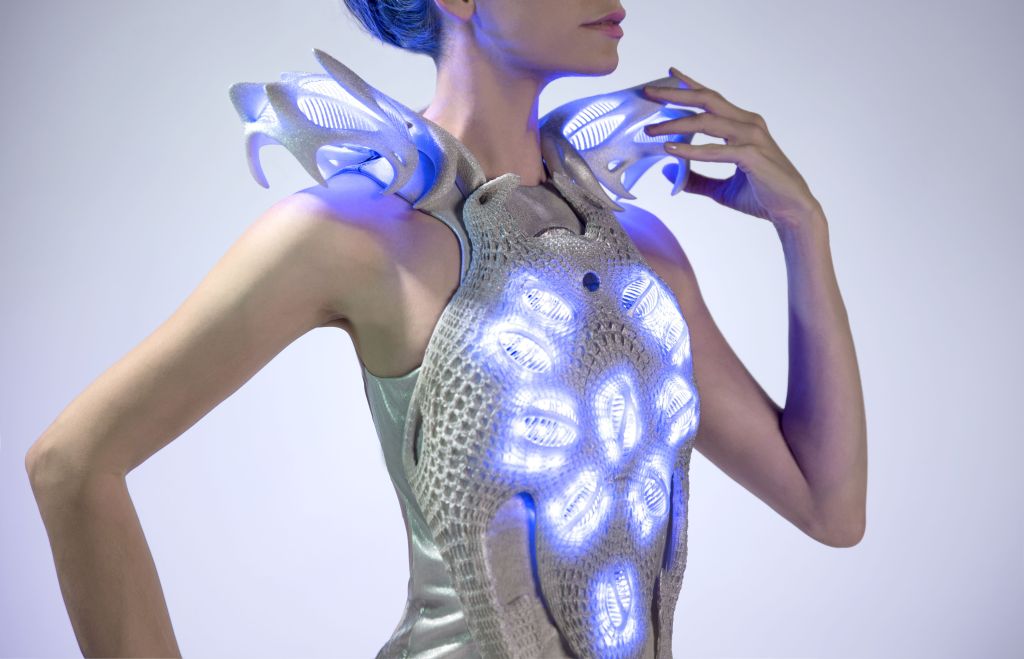
Future trends in wearable tech marketing
The future of wearable tech marketing is filled with exciting new trends and technologies that will shape the way businesses promote their products. Here are some of the most important future trends to watch:
Augmented Reality (AR) and Virtual Reality (VR) in Marketing Campaigns
AR and VR technologies are becoming more advanced and accessible, and are expected to play an increasingly larger role in marketing campaigns for wearable tech products. AR and VR can create immersive experiences that showcase the features and functionality of wearable tech products. For example, a company that creates smart glasses could use AR technology to showcase how their product could be used in different settings, such as in a factory or in the field. Similarly, a company that creates smart clothing could use VR technology to create immersive experiences that showcase the style and functionality of their products.
Voice-Activated Technology and Marketing Implications
As voice-activated technology becomes more common in wearable tech products, businesses will need to adapt their marketing strategies to optimize for voice search and commands. This includes optimizing website content for voice search and developing voice-activated apps and services that can be accessed through wearable tech devices. Businesses can also leverage voice-activated technology to provide personalized recommendations and experiences to their users.
Personalization and the Increasing Use of Artificial Intelligence (AI) in Marketing Strategies
As wearable tech devices become more advanced and sophisticated, businesses will be able to collect more data on their users and use AI algorithms to deliver personalized experiences and marketing messages. Wearable tech devices such as fitness trackers and smartwatches already collect a wealth of data on users’ activities, health, and preferences. AI algorithms can analyze this data to provide personalized recommendations and experiences to users, such as customized workout routines or nutrition plans.
The Rise of Ethical and Sustainable Marketing Practices in the Wearable Tech Industry
As consumers become more conscious of the environmental and ethical impact of the products they purchase, businesses in the wearable tech industry will need to adopt more sustainable and ethical marketing practices. This includes using eco-friendly materials and production methods, as well as transparently communicating the ethical practices and values of their company to consumers. For example, a company that creates smart clothing could promote the sustainability and ethical production methods of their products to attract consumers who value these practices.
To stay ahead of the competition and succeed in the wearable tech industry, businesses must adapt their marketing strategies to these future trends. This means incorporating AR and VR technologies into marketing campaigns, optimizing for voice search and voice-activated experiences, leveraging AI algorithms to provide personalized experiences and recommendations, and adopting sustainable and ethical marketing practices. By staying up-to-date on these trends, businesses can create engaging and effective marketing campaigns that connect with consumers and drive sales.

Conclusion
In conclusion, the wearable tech industry presents many opportunities for businesses to connect with consumers and promote innovative products. However, as the industry continues to evolve, it’s crucial for businesses to stay up-to-date with the latest trends and technologies in order to stay ahead of the competition.
To succeed in the wearable tech industry, businesses must prioritize understanding their target audiences and creating strong brand identities that resonate with their consumers. They must also leverage the unique selling points of wearable tech, such as convenience and ease of use, personalized user experiences, and health and fitness tracking capabilities, to differentiate themselves from competitors.
Effective marketing strategies for wearable tech products include social media marketing, content marketing, email marketing, public relations and media outreach, search engine optimization, and paid advertising. By measuring marketing success through key performance indicators such as website traffic and engagement, social media engagement and reach, conversion rates and sales revenue, email marketing performance, and ROI of paid advertising campaigns, businesses can make data-driven decisions and continuously improve their marketing strategies.
Case studies of successful wearable tech marketing campaigns provide valuable insights into effective marketing strategies and tactics. By analyzing these case studies, businesses can learn from the successes and failures of others in the industry and adjust their own marketing strategies accordingly.
Looking to the future, businesses in the wearable tech industry should keep an eye on emerging trends such as augmented reality, voice-activated technology, personalized experiences through AI algorithms, and ethical and sustainable marketing practices. By adapting their marketing strategies to these future trends, businesses can stay ahead of the curve and continue to connect with consumers in meaningful ways.
Overall, the wearable tech industry offers many exciting opportunities for businesses to promote innovative and cutting-edge products. By prioritizing understanding their target audiences, creating strong brand identities, and leveraging effective marketing strategies and emerging technologies, businesses can successfully promote their wearable tech products and stay ahead in a rapidly evolving industry.

 Marketing Unplugged
Leave a Reply