


In the fast-paced world of marketing, it can be easy to get swept up in the latest digital trends and forget about the tried-and-true tactics that have been driving success for decades. But while it’s true that digital marketing has opened up a whole new world of opportunities, it’s important not to overlook the continued importance of print marketing.
As marketers, it’s our job to understand our audience and meet them where they are. And for many people, print materials like brochures, flyers, and business cards still play a valuable role in their decision-making process. There’s something about the tactile nature of print that just can’t be replicated digitally – the weight of a business card in your hand, the feel of a brochure as you flip through its pages. These are experiences that stick with people and can make a real impact.
But the benefits of print marketing go beyond just tangibility. Print materials are often less intrusive than digital ads, giving people the choice to engage with them on their own terms. And since there’s so much noise in the digital world, a well-designed print piece can really stand out and make an impression.
That’s not to say that digital marketing should be ignored – far from it. In fact, one of the most exciting things about marketing today is the way that print and digital can work together to create truly impactful campaigns. By combining the tangibility of print with the interactivity of digital, we can create marketing experiences that are engaging, memorable, and effective.
In this article, we’ll explore the role of print marketing in a digital world and how businesses can effectively integrate it into their marketing strategies. We’ll examine the benefits of print marketing, the limitations of digital marketing, and the power of integrating print and digital. And we’ll offer some best practices for incorporating print marketing into your overall marketing strategy.
So let’s dive in and explore how print marketing can help your business stand out in a crowded marketplace.

The benefits of print marketing
When it comes to marketing, there’s no denying the power of digital channels. From social media and email marketing to search engine optimization and pay-per-click advertising, there are countless ways for businesses to reach their audiences online. But as we mentioned in the introduction, print marketing still has an important role to play in today’s digital landscape.
For starters, print materials offer a tangible touchpoint that can’t be replicated digitally. Being able to physically hold something in your hand can make a big difference in how memorable and impactful a piece of marketing is. And because print materials are often less intrusive than digital ads, people are more likely to engage with them on their own terms.
But the benefits of print marketing go beyond just tangibility. When done well, print materials can be a powerful way to build your brand, showcase your products or services, and connect with your audience. Here are just a few of the benefits of print marketing to keep in mind:
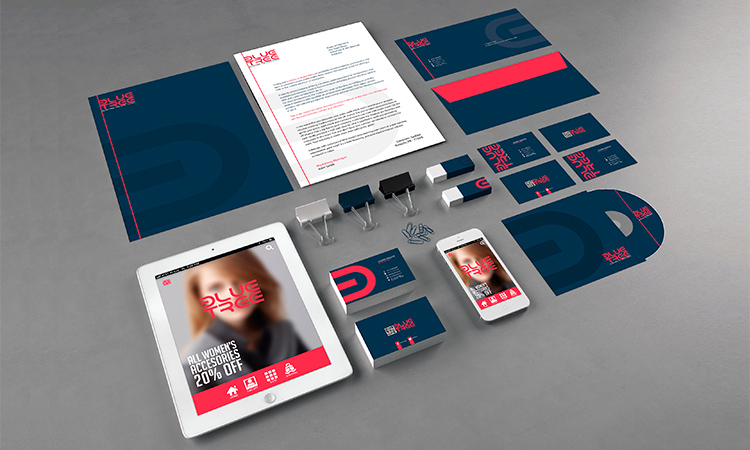
- Print materials can establish your brand identity: Whether it’s through business cards, brochures, or other marketing materials, print can be a powerful way to establish your brand identity. By using consistent colors, fonts, and messaging across all your print materials, you can create a cohesive brand experience that helps people remember who you are and what you stand for.
- Print materials can be more memorable: As we mentioned earlier, there’s something about the tangible nature of print materials that makes them more memorable than digital ads. Whether it’s a well-designed business card or a beautifully crafted brochure, print materials have the power to stick with people long after they’ve put them down.
- Print materials can reach new audiences: While digital channels are great for reaching a wide audience quickly, print materials can be a powerful way to reach new audiences in a more targeted way. For example, if you’re a local business, you could distribute flyers or postcards in your community to raise awareness about your products or services.
- Print materials can help build trust: In today’s world, where online scams and fake news are all too common, print materials can be a powerful way to build trust with your audience. By providing valuable information in a well-designed format, you can establish yourself as a credible source of information and build trust with your customers.
To see an example of the power of print marketing, consider the case of GoldLeaf, a small floral design studio based in the Midwest. Rather than relying solely on digital marketing to promote their services, they created a beautifully designed brochure that showcased their unique approach to floral design. The brochure not only helped them stand out in a crowded market, but it also gave people a tangible reminder of their brand that they could hold onto and refer back to when needed.
In short, print marketing still has an important role to play in today’s digital world. By leveraging the tangible benefits of print, businesses can create marketing campaigns that are impactful, memorable, and effective.
The limitations of digital marketing
While digital marketing has revolutionized the way businesses reach their audiences, it’s not without its limitations. In fact, the rise of ad-blockers and banner blindness has made it increasingly difficult for businesses to get their messages in front of their audiences online. And with so much competition for attention, it can be hard to stand out and make an impact.
Another challenge of digital marketing is that it’s often difficult to make a lasting impression. With so many ads and messages vying for our attention online, it’s easy for your brand to get lost in the noise. And even if someone does engage with your ad or message, they’re often just a click away from moving on to something else.
To see an example of this in action, consider the case of a small clothing boutique called The Seamstress. Like many businesses, they initially focused their marketing efforts on social media and other digital channels. However, they found that their messages were often getting lost in the sea of other ads and messages online. They realized that while digital marketing was important, it wasn’t enough on its own. Instead, they started producing high-quality, print catalogs that showcased their unique clothing designs. By doing so, they were able to connect with their audience in a more meaningful way and make a lasting impression.
Another limitation of digital marketing is that it can be difficult to target specific audiences with precision. While digital channels offer the ability to reach a wide audience quickly, it can be hard to ensure that your message is reaching the right people. For example, if you’re a local business, you may find that your social media ads are being seen by people outside of your service area.
To see an example of this in action, consider the case of a small coffee shop called The Daily Grind. They had been running Facebook ads to promote their new location, but found that they were getting clicks and engagement from people who lived too far away to realistically visit the shop. They realized that they needed to supplement their digital marketing efforts with more targeted print materials, such as flyers and posters, that they could distribute in their local area.
In short, while digital marketing is important, it’s not without its limitations. To truly stand out and make an impact, businesses need to think beyond just digital channels and consider the power of print marketing as well. By using print materials in conjunction with digital channels, businesses can create marketing campaigns that are more targeted, more memorable, and more effective.

When print meets digital
While print and digital marketing may seem like two different worlds, the truth is that they can work together in powerful ways. In fact, by integrating print and digital marketing strategies, businesses can create marketing experiences that are engaging, memorable, and effective.
One way to bridge the gap between print and digital is through the use of QR codes. QR codes are a type of barcode that can be scanned by a smartphone to access digital content. By including a QR code on a print piece like a business card or brochure, businesses can make it easy for people to access more information about their products or services. For example, a real estate agent could include a QR code on their business card that leads to a virtual tour of a property.
Another way to integrate print and digital is through the use of augmented reality (AR). AR allows digital content to be overlaid onto the physical world, creating an interactive experience. For example, a company could create a print ad that, when viewed through an AR app, comes to life with animations and other interactive elements.
To see an example of this in action, consider the case of a small furniture store called The Wooden Spoon. They created a print catalog that included QR codes that, when scanned, led to product videos and other digital content. They also used AR to create a virtual showroom that people could access through their print materials. By integrating print and digital in this way, they were able to create a marketing experience that was both engaging and memorable.
Of course, integrating print and digital isn’t always easy. It requires careful planning and execution to ensure that the two channels work together seamlessly. But with the right strategy and tools, businesses can create marketing campaigns that are greater than the sum of their parts.
In short, by integrating print and digital marketing strategies, businesses can create marketing experiences that are more engaging, more memorable, and more effective. Whether through the use of QR codes, AR, or other techniques, the key is to think creatively and find ways to bridge the gap between the physical and digital worlds.

Best practices for incorporating print marketing in a digital world
Now that we’ve explored the benefits of print marketing, the limitations of digital marketing, and the power of integrating print and digital, let’s take a look at some best practices for incorporating print marketing into your overall marketing strategy.
First and foremost, it’s important to create a cohesive brand identity across all your marketing materials, both print and digital. This means using consistent colors, fonts, and messaging that feel like a natural extension of your brand. By doing so, you can create a cohesive brand experience that helps people remember who you are and what you stand for.
Secondly, it’s important to track and analyze your results to see what’s working and what’s not. Whether it’s through unique URLs, coupon codes, or phone numbers, make sure you have a way to track the effectiveness of your print materials. By doing so, you can make data-driven decisions about where to invest your marketing dollars and what changes you need to make to improve your campaigns.
Thirdly, don’t be afraid to get creative with your print materials. There are countless ways to make your print materials stand out, from unique materials like metal business cards to incorporating interactive elements like AR. By thinking outside the box and trying something new, you can create a marketing campaign that truly resonates with your audience.
Fourthly, make sure you’re targeting the right audience with your print materials. While print materials can be more targeted than digital channels, it’s still important to make sure that your materials are reaching the right people. Consider using targeted mailing lists, distributing materials at local events, or partnering with other businesses to reach a specific audience.
Finally, make sure you’re integrating your print and digital marketing strategies in a way that makes sense for your business. This might mean using QR codes to drive people to your website or creating a print ad that incorporates your social media handles. Whatever approach you take, make sure that your print and digital efforts are working together to create a seamless brand experience for your audience.
To see an example of these best practices in action, consider the case of a small brewery called The Hoppy Hound. They created a beautifully designed brochure that highlighted their unique approach to brewing beer. They also included a QR code that led to a landing page where people could learn more about their brewery and sign up for their email list. By doing so, they were able to use print marketing to drive traffic to their digital channels and build a loyal customer base.
In short, incorporating print marketing into your overall marketing strategy can be a powerful way to connect with your audience, build your brand, and drive sales. By following these best practices and thinking creatively about how to integrate print and digital, you can create marketing campaigns that are impactful, memorable, and effective.
Conclusion:
In conclusion, it’s clear that print marketing still has an important role to play in today’s digital world. By leveraging the tangible benefits of print, overcoming the limitations of digital, and integrating print and digital in creative ways, businesses can create marketing campaigns that are impactful, memorable, and effective.
As we’ve seen, print materials offer a level of tangibility and memorability that can’t be replicated digitally. And while digital channels offer the ability to reach a wide audience quickly, print materials can be a powerful way to reach new audiences in a more targeted way.
But perhaps most exciting of all is the way that print and digital can work together to create truly impactful campaigns. By using tools like QR codes and AR, businesses can create marketing experiences that are engaging, memorable, and effective.
Of course, incorporating print marketing into your overall marketing strategy isn’t without its challenges. It requires careful planning, execution, and analysis to ensure that your efforts are making an impact. But with the right approach and mindset, businesses can create marketing campaigns that stand out in a crowded marketplace and drive real results.
In short, print marketing is far from dead – it’s simply evolving. By embracing the power of print and digital and finding creative ways to integrate the two, businesses can create marketing campaigns that are greater than the sum of their parts. So don’t be afraid to think outside the box and try something new – you might just be surprised at how well print marketing can work for your business.


 Marketing Unplugged
Leave a Reply