
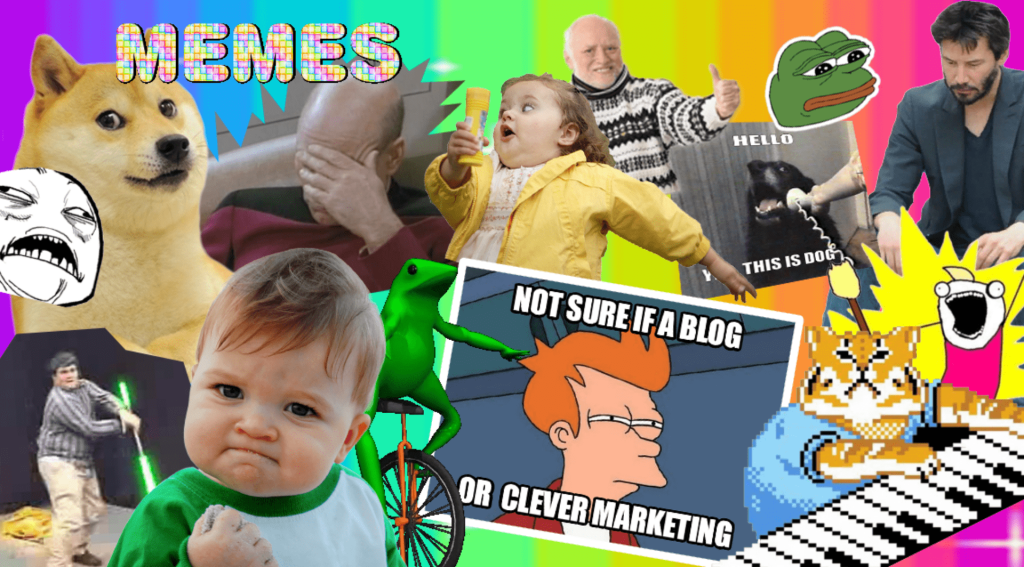

As a marketer, you’re constantly searching for ways to reach and engage your audience. With so many businesses vying for the same attention, it can be tough to stand out in the crowd. Enter memes – the internet’s not-so-secret weapon for capturing attention and engaging audiences.
Memes have become a cultural phenomenon that has taken over the internet. They are essentially images or videos that are shared and adapted over and over again, often with humorous or ironic captions. Memes are simple, funny, and relatable, and they have become a part of our everyday online communication. They offer a way to connect with people on a personal level, and in a world where attention is a precious commodity, memes have become a valuable tool for marketers.
But memes are more than just a passing trend. They have real potential in the world of marketing. Using memes in your marketing can help your brand stand out in a crowded market. They offer a way to connect with your audience in a fun and lighthearted way. Memes can also help increase engagement with your social media posts, leading to more followers and ultimately more conversions.
Even smaller, lesser-known companies can especially benefit from using memes in their marketing. Because they don’t have the same level of brand recognition as larger companies, they need to find unique and creative ways to get noticed. Using memes is a low-cost and effective way to do just that.
In this article, we’ll explore the world of memes and how they can be leveraged in marketing. We’ll cover everything from the history of memes and their evolution to the benefits of using memes in marketing and creating effective memes for your brand. We’ll also discuss the legal considerations for using memes in marketing and how to mitigate the risks. By the end of this article, you’ll have a solid understanding of the role of memes in marketing and how to effectively use them to reach and engage your audience. So let’s get started!

Understanding Memes and Internet Culture
To effectively use memes in marketing, it’s important to understand their history and evolution. Memes have been around since the early days of the internet, but they’ve become much more widespread in recent years thanks to social media platforms like Instagram, TikTok, and Twitter.
At its core, memes are a reflection of internet culture and are often influenced by current events and trending topics. They provide a way for people to express themselves in a humorous and relatable way, often highlighting shared experiences or common emotions. Memes can range from the absurd to the politically charged, and everything in between.
Successful memes share a few key characteristics – they’re relatable, easy to understand, and usually involve some form of humor. Memes that can tap into a current trend or event are more likely to go viral and spread quickly across the internet.
For example, take the recent meme trend of using a picture of a man looking at another woman while his girlfriend looks on. This meme resonated with so many people because it taps into a common experience of jealousy or feeling ignored. By using this meme in marketing, brands can tap into the shared experience of their audience and create a connection with them.
However, it’s important to keep in mind that not all memes are appropriate for marketing purposes. Memes that are controversial or offensive can backfire and damage your brand’s reputation. It’s essential to stay up-to-date on current events and social issues and ensure that your memes are not perpetuating harmful stereotypes or promoting harmful behavior.
In conclusion, understanding memes and internet culture is crucial to effectively using them in marketing. Memes are a reflection of the times, and they can offer a unique and relatable way to connect with your audience. By tapping into current trends and creating humorous and relatable content, brands can use memes to build a relationship with their audience and stand out in a crowded market.
Why Use Memes in Marketing?
Using memes in marketing can be a powerful way to capture attention and engage your audience. Memes are a unique form of content that can be used to showcase your brand’s personality, while also providing a relatable and humorous experience for your audience.
One of the most significant benefits of using memes in marketing is that they offer a way to stand out in a crowded market. With so much content available online, it can be challenging to capture the attention of your audience. Memes provide a way to break through the noise and grab people’s attention in a fun and lighthearted way.
Memes can also help increase engagement with your social media posts. They are shareable, and people love to tag their friends and share memes that resonate with them. By using memes in your social media posts, you can increase your reach and ultimately gain more followers and conversions.
Smaller, lesser-known companies can especially benefit from using memes in their marketing. Because they don’t have the same level of brand recognition as larger companies, they need to find unique and creative ways to get noticed. Using memes is a low-cost and effective way to do just that.
Memes also offer a way to showcase your brand’s personality. By creating and sharing memes that align with your brand’s values and voice, you can build a relationship with your audience that goes beyond just selling products. Memes can help humanize your brand and make it more relatable to your audience.
For example, the small online clothing store “The Tiny Closet” used memes to showcase their fun and playful brand personality. They created a series of memes that poked fun at the struggles of online shopping, such as packages taking forever to arrive or clothes not fitting properly. These memes resonated with their audience and helped to build a strong and engaged community around their brand.
In conclusion, using memes in marketing can be a powerful way to connect with your audience and stand out in a crowded market. Memes are relatable, shareable, and offer a unique way to showcase your brand’s personality. By incorporating memes into your marketing strategy, you can increase engagement, gain more followers, and ultimately drive more conversions for your business.

Creating Memes for Marketing
Creating effective memes for marketing requires careful consideration and attention to detail. To create a meme that resonates with your audience and aligns with your brand’s messaging, you need to follow some guidelines.
First and foremost, it’s crucial to understand your target audience and what type of memes they find amusing. If your target audience is older, you might want to create memes that reference older pop culture or events that they can relate to. If your audience is younger, you might want to create memes that reference current pop culture or internet trends.
It’s also important to consider the tone of your brand and ensure that your memes align with that tone. If your brand is known for its humor and irreverence, then funny and witty memes might work well for you. However, if your brand is more serious or professional, then you might want to create memes that are more informative or educational in nature.
When creating memes, it’s important to ensure that they are visually appealing and of high quality. Poorly made memes can come across as unprofessional and low-effort, which can damage your brand’s reputation. There are plenty of tools and resources available online to help you create high-quality memes, such as Canva or Imgflip.
One of the keys to creating effective memes is to tap into current trends or events. By using trending topics or current events, you can create memes that are more likely to go viral and resonate with your audience. For example, the small coffee shop “Java Jive” created a meme that used a trending image to showcase their brand. The meme featured an image of a cat sitting in a coffee cup with the caption “Java Jive: Purrfect Coffee Every Time.” This meme resonated with cat lovers and coffee enthusiasts alike and helped to increase engagement on their social media posts.
In conclusion, creating effective memes for marketing requires careful consideration and attention to detail. By understanding your target audience, aligning your memes with your brand’s messaging and tone, and tapping into current trends or events, you can create memes that resonate with your audience and increase engagement on your social media posts. Remember, the key to success with memes is to keep them relatable, visually appealing, and of high quality.
Memes in Social Media Marketing
Social media platforms offer a unique opportunity for brands to use memes in their marketing. Each platform has its own culture, and it’s important to understand these cultures before incorporating memes into your social media marketing strategy.
For example, Twitter has a highly political and news-focused meme culture. Memes on Twitter tend to be more edgy and controversial, and they often make reference to current events or political figures. Brands that want to use memes on Twitter should be aware of these cultural nuances and ensure that their memes align with this tone.
On the other hand, TikTok has a more humorous and relatable meme culture. Memes on TikTok are often centered around funny moments or trends, and they tend to be more lighthearted than those on Twitter. Brands that want to use memes on TikTok should aim to create funny and relatable memes that fit within the platform’s culture.
When incorporating memes into your social media marketing strategy, it’s important to have a clear strategy in place. Don’t simply post memes for the sake of it – make sure they align with your brand messaging and overall marketing goals. Consider using memes to promote a new product, announce a sale, or just to showcase your brand’s personality.
One of the best ways to incorporate memes into your social media marketing strategy is by creating a meme series. This involves creating a series of memes that follow a particular theme or storyline. By doing this, you can create a consistent brand message and engage your audience over a longer period of time.
However, it’s important to remember that memes can quickly become stale and overused. What’s funny and relatable today might not be so tomorrow. It’s essential to stay up-to-date on current events and cultural trends to ensure that your memes are relevant and fresh.
Finally, it’s important to maintain a consistent brand voice, even when using memes. Your memes should align with your overall brand messaging and voice, and should not deviate too far from your brand’s tone.
In conclusion, incorporating memes into your social media marketing strategy can be an effective way to connect with your audience and increase engagement on your social media posts. However, it’s important to understand each platform’s meme culture, have a clear strategy in place, and maintain a consistent brand voice. By doing so, you can harness the power of memes to drive engagement and conversions for your brand.
Legal Considerations for Meme Marketing
While memes can be a fun and effective way to connect with your audience in marketing, it’s important to consider the legal implications before incorporating them into your strategy. One of the biggest legal concerns with meme marketing is copyright infringement.
Many memes use images or videos that are copyrighted by other individuals or companies. Using these images or videos without permission can land you in legal trouble. It’s important to ensure that the images or videos you use are either public domain or covered by fair use.
Fair use allows for the use of copyrighted material for specific purposes, such as commentary, criticism, or parody. However, fair use is a complex legal concept and is often difficult to apply to meme marketing. It’s essential to consult with a legal professional if you’re unsure whether your use of copyrighted material falls under fair use.
Another legal consideration is the use of trademarks. Memes that incorporate a brand’s trademark without permission can be considered trademark infringement. It’s important to avoid using a brand’s trademark in a way that could confuse or deceive consumers, or in a way that could harm the brand’s reputation.
Finally, it’s important to consider the potential risks of offending your audience. Memes that are offensive, insensitive, or culturally insensitive can damage your brand’s reputation and lead to a backlash on social media. It’s important to stay up-to-date on current events and social issues and ensure that your memes are not perpetuating harmful stereotypes or promoting harmful behavior.
To mitigate these legal risks, it’s important to have a clear policy in place for meme marketing. Ensure that all memes are reviewed by a team member before posting to ensure they align with your brand values and legal requirements. And if you’re unsure about a meme’s appropriateness, err on the side of caution and don’t post it.
In conclusion, meme marketing can be a powerful tool for connecting with your audience, but it’s important to consider the legal implications before incorporating them into your marketing strategy. By understanding copyright and trademark laws, and ensuring that your memes are not offensive or insensitive, you can mitigate legal risks and use memes effectively to drive engagement and conversions for your brand.
Conclusion
In conclusion, memes can be a powerful tool for marketers looking to connect with their audience in a fun and relatable way. Memes offer a unique opportunity to showcase your brand’s personality and create a connection with your audience that goes beyond just selling products.
To use memes effectively in marketing, it’s important to understand internet culture, have a clear strategy in place, and mitigate legal and ethical risks. By tapping into current trends and creating humorous and relatable content, brands can use memes to stand out in a crowded market and increase engagement with their audience.
However, it’s important to remember that not all memes are appropriate for marketing purposes. Offensive or insensitive memes can damage your brand’s reputation and lead to a backlash on social media. It’s essential to stay up-to-date on current events and social issues and ensure that your memes align with your brand values and voice.
By following these guidelines, brands can effectively leverage the power of memes in their marketing strategy. Memes offer a low-cost and effective way to engage with your audience and build a relationship with them that goes beyond just selling products. Smaller, lesser-known companies can especially benefit from using memes to get noticed in a crowded market.
In the end, the key to successful meme marketing is to stay true to your brand’s voice and values, understand your audience and internet culture, and have a clear strategy in place. By doing so, you can harness the power of memes to drive engagement and conversions for your brand, and stand out in a crowded market.

 Marketing Unplugged
Leave a Reply