


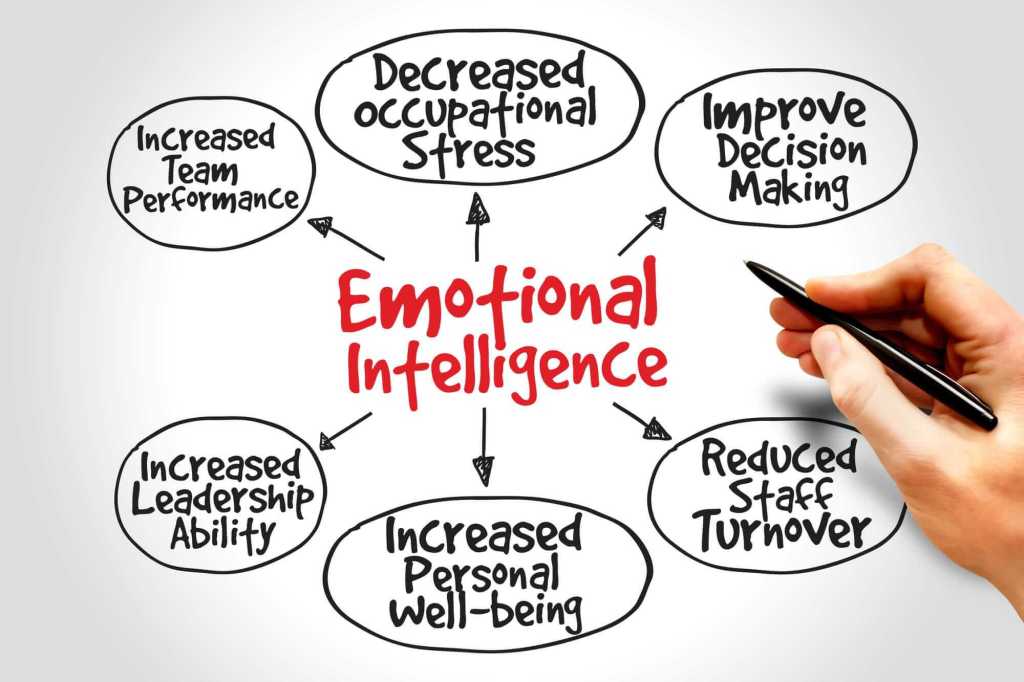
Emotional intelligence (EI) is a term that is thrown around quite frequently in the business world, but what exactly does it mean and why does it matter? Emotional intelligence is the ability to recognize, understand, and manage emotions in oneself and others. It is a critical trait for effective leadership in marketing and business, as it can lead to greater success in marketing campaigns, stronger relationships with customers and employees, and more productive and positive work environments.
In this article, we will explore the role of emotional intelligence in leadership and why it matters in marketing and business. We will also provide real-life examples from smaller, lesser-known companies to illustrate the importance of emotional intelligence and how it can be developed.

Understanding Emotional Intelligence
To begin, it’s essential to understand the basics of emotional intelligence. Emotional intelligence can be broken down into four components: self-awareness, self-management, social awareness, and relationship management. Self-awareness is the ability to recognize and understand one’s own emotions, strengths, and weaknesses. Self-management is the ability to manage one’s own emotions and behavior effectively. Social awareness is the ability to recognize and understand the emotions of others. Relationship management is the ability to manage relationships effectively, including communication, conflict resolution, and teamwork.
Emotional intelligence is beneficial in leadership because it allows leaders to better understand themselves and others. When leaders are self-aware, they can recognize their own strengths and weaknesses and use this information to lead more effectively. When leaders have social awareness, they can better understand the needs and emotions of their employees and customers, which can lead to better communication, stronger relationships, and more successful marketing campaigns.
For example, take the case of a small marketing agency called “Pixel Perfect Marketing.” The CEO of the company, Tom, was struggling to connect with his employees and clients. He often came off as cold and unapproachable, which was hurting the company’s ability to build strong relationships with its clients. Tom realized that he needed to work on his emotional intelligence, specifically his social awareness and relationship management skills. He began to take steps to develop his emotional intelligence, such as attending workshops and reading books on the topic. As a result, Tom was able to better understand the emotions and needs of his employees and clients, which led to stronger relationships and more successful marketing campaigns.

Emotional Intelligence in Marketing
Emotional intelligence is particularly important in marketing, as it can help marketers create more effective campaigns. Emotions play a significant role in consumer behavior, and marketers who can tap into those emotions can create campaigns that resonate with their target audience.
For example, consider the case of a small coffee shop called “Cup of Joe.” The owner, Sarah, was struggling to attract customers to her shop. She realized that she needed to create a marketing campaign that would appeal to her target audience on an emotional level. Sarah decided to focus her campaign on the idea of community, as she believed that her coffee shop could serve as a gathering place for the local community. She created a series of ads that showed people coming together at her coffee shop, laughing and talking over cups of coffee. The campaign was a success, and Sarah’s coffee shop became a popular gathering place for the local community.

Emotional Intelligence in Business Leadership
Emotional intelligence is also crucial in business leadership. Leaders who have high emotional intelligence are better equipped to manage their employees effectively, create positive work environments, and motivate their employees to achieve their goals.
For example, consider the case of a small tech startup called “Code Crunchers.” The CEO, Alex, had a highly intelligent and motivated team of employees, but he struggled to manage them effectively. He often came off as harsh and critical, which demotivated his employees and led to a negative work environment. Alex realized that he needed to work on his emotional intelligence, specifically his self-awareness and self-management skills. He began to take steps to develop his emotional intelligence, such as practicing mindfulness and learning techniques for managing his emotions.
As a result, Alex became more aware of his emotions and how they were affecting his behavior. He learned to manage his emotions more effectively, which led to a more positive work environment and a more motivated team of employees. Alex also became more adept at providing constructive feedback to his employees, which led to improved performance and a more productive workplace.
Developing Emotional Intelligence
Now that we’ve discussed the importance of emotional intelligence in leadership and marketing, it’s important to understand how to develop emotional intelligence. Developing emotional intelligence requires self-reflection and a willingness to learn and grow. Here are some tips for developing emotional intelligence:
- Practice self-awareness: Take time to reflect on your emotions and how they are affecting your behavior. Pay attention to your strengths and weaknesses and work on improving them.
- Practice self-management: Learn techniques for managing your emotions, such as mindfulness or deep breathing exercises. Take time to relax and recharge when you’re feeling stressed.
- Practice social awareness: Pay attention to the emotions and needs of others. Learn to empathize with others and understand their perspectives.
- Practice relationship management: Learn techniques for communicating effectively, resolving conflicts, and building strong relationships with others.
Real-life Example: A small business owner named John, who runs a local restaurant, realized that he was struggling to connect with his customers. He often came off as aloof and unapproachable, which was hurting his business. John decided to work on his emotional intelligence, specifically his social awareness and relationship management skills. He began to engage more with his customers, asking them about their day and showing a genuine interest in their lives. He also worked on his communication skills, learning to provide constructive feedback to his employees and resolve conflicts effectively. As a result, John’s restaurant became more popular, and he was able to build stronger relationships with his customers.
Conclusion:
Emotional intelligence is a critical trait for effective leadership in marketing and business. By understanding and developing emotional intelligence, leaders can create more successful marketing campaigns, build stronger relationships with customers and employees, and drive their organizations to greater success. Developing emotional intelligence requires self-reflection, a willingness to learn and grow, and a commitment to building positive relationships with others. By following the tips outlined in this article and learning from real-life examples, you can develop your emotional intelligence and become a more effective leader in your business or organization.

 Marketing Unplugged
Leave a Reply