


Social media has become an integral part of modern society. From staying connected with friends and family to discovering new products and services, social media platforms have changed the way we interact with the world. However, as much as social media has brought many benefits, it has also been linked to mental health issues. With the constant comparison, competition, and unrealistic expectations that social media can create, it’s no wonder that studies have linked social media use to increased levels of anxiety, depression, and other mental health issues.
Social media platforms can be addictive, and users often find themselves spending countless hours scrolling through feeds, comparing their lives to others, and constantly seeking validation. The impact of social media on mental health can be severe, and it’s essential to understand how it can affect us and how we can protect ourselves.
As a business owner, you might also be wondering about the impact of social media on your employees’ mental health. It’s important to recognize that social media can impact anyone, regardless of their age, gender, or profession. In fact, studies have shown that social media use can be especially harmful to younger people who are still developing their sense of self-worth and identity.
In this article, we will delve deeper into the impact of social media on mental health and provide practical tips on how to protect yourself and your employees. We will also explore some lesser-known companies that have implemented policies to protect their employees’ mental health and the positive impact that it has had on their businesses. By the end of this article, you will have a better understanding of the impact of social media on mental health and the steps you can take to protect yourself and your employees.

The impact of social media on mental health
Social media has become ubiquitous in our daily lives, and it’s difficult to imagine a world without it. However, as much as social media has brought many benefits, it has also been linked to a range of mental health issues. In this section, we will delve deeper into the impact of social media on mental health and explore the specific ways in which it can affect us.
First and foremost, social media can trigger anxiety and depression. Studies have shown that excessive use of social media can lead to negative self-perception, which in turn can lead to anxiety and depression. The constant barrage of curated content, filtered photos, and seemingly perfect lives can create feelings of inadequacy and jealousy, especially for young people who are still developing their sense of self-worth and identity.
Moreover, social media can also impact our self-esteem and body image. Companies use airbrushed photos and filters to promote their products, creating an unrealistic standard of beauty that most of us cannot achieve. This can lead to feelings of inadequacy and a lack of self-worth, causing us to compare ourselves to others and feel like we’re not measuring up.
Doomscrolling is another negative impact of social media on mental health. This phenomenon is the act of endlessly scrolling through social media feeds, even if the content is depressing, distressing, or anxiety-provoking. Doomscrolling can lead to feelings of hopelessness, sadness, and anxiety, as well as disrupt our sleep patterns and cause physical symptoms like headaches and eye strain.
Another serious concern related to social media use is cyberbullying. The anonymity and distance provided by social media can make it easier for individuals to bully others online. Cyberbullying can lead to feelings of anxiety, depression, and social isolation, particularly for young people who are more vulnerable to bullying.
Finally, social media addiction is becoming increasingly prevalent. Users can find themselves spending hours on their phones, scrolling through feeds and seeking validation. This addiction can have negative consequences on mental health, including decreased self-esteem, anxiety, and depression.
The impact of social media on mental health is complex and multifaceted. While social media can bring people together, promote awareness of important issues, and offer a sense of community, it can also have negative effects on mental health. It’s important to recognize the potential pitfalls of social media and take steps to protect ourselves from its negative effects. In the next section, we will explore some practical tips on how to protect yourself on social media.
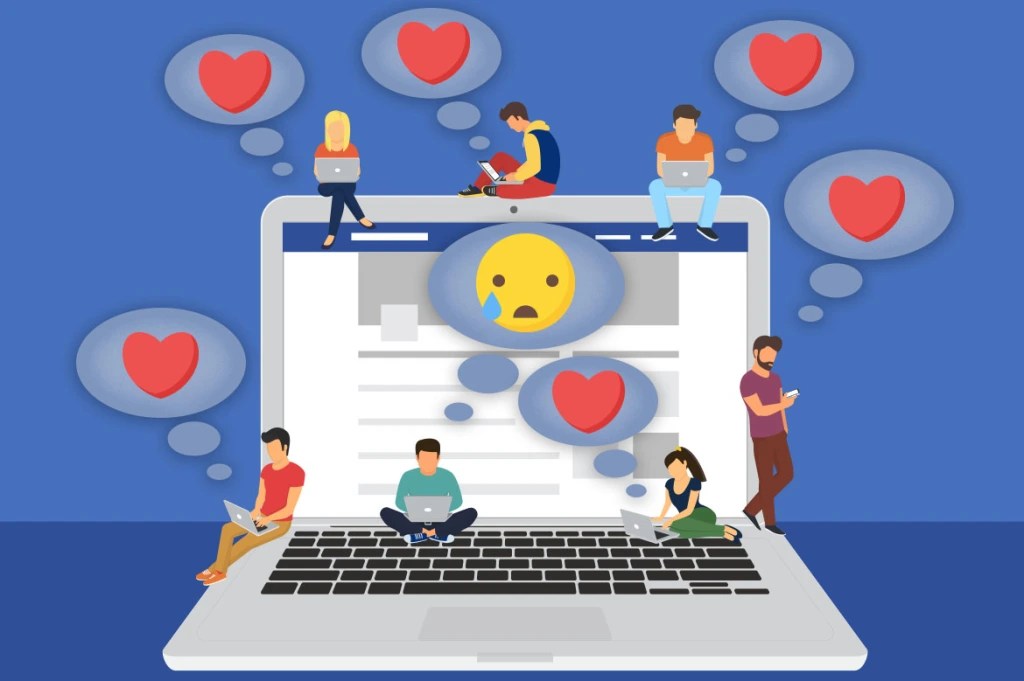
How to protect yourself on social media
Now that we’ve explored the potential negative impacts of social media on mental health, it’s time to discuss some practical tips on how to protect yourself on social media. Here are some steps you can take to safeguard your mental health while still enjoying the benefits of social media:
First and foremost, it’s essential to set limits on social media use. This means setting a specific time limit for how long you spend on social media each day and sticking to it. It can be easy to lose track of time while scrolling through your feeds, so setting a specific time limit can help you stay on track.
Next, consider curating your social media feed. This means unfollowing accounts that promote unrealistic standards of beauty or that generally make you feel bad about yourself. Instead, focus on following accounts that promote positivity, healthy living, and encourage self-care.
Another way to protect yourself on social media is to use it for positive purposes. This means using social media to engage with people who share your interests, to seek advice and support when you need it, and to connect with loved ones. It’s important to remember that social media can be a powerful tool for building community and finding support.
Finally, if social media use is impacting your mental health, it may be time to seek professional help. A mental health professional can help you develop coping strategies and tools for managing social media use.
It’s important to note that companies can also take steps to protect their employees’ mental health when it comes to social media use. For example, some companies have implemented policies that restrict the use of social media during work hours or that encourage employees to take regular breaks from social media use. These policies have been successful in reducing the negative impacts of social media on employees’ mental health, leading to more productive and happier workers.
Protecting yourself on social media is crucial for maintaining good mental health. By setting limits on social media use, curating your social media feed, using social media for positive purposes, and seeking professional help when necessary, you can reduce the negative impacts of social media on your mental health. And for companies, implementing policies that promote healthy social media use can lead to happier, more productive employees.
Conclusion
Social media has become an integral part of our lives, and it’s important to understand how it can impact our mental health. While social media can bring many benefits, it can also have negative effects on mental health, including triggering anxiety and depression, impacting self-esteem and body image, and contributing to feelings of hopelessness and despair.
However, by taking steps to protect ourselves on social media, we can ensure that we’re using these platforms in a healthy and positive way. This includes setting limits on social media use, curating our social media feeds, using social media for positive purposes, and seeking professional help when necessary.
For companies, it’s also important to recognize the impact of social media on employees’ mental health and take steps to protect them. This can include implementing policies that promote healthy social media use, encouraging employees to take regular breaks from social media, and providing resources for mental health support.
In conclusion, social media can be both a blessing and a curse when it comes to mental health. By being mindful of its potential impact and taking steps to protect ourselves and others, we can use social media in a way that enhances our lives rather than detracting from them.
Social Media Addiction Statistics – lanierlawfirm.com
Psychologists estimate that tens of millions of Americans are addicted to social media apps such as Facebook, Instagram, and TikTok.


 Marketing Unplugged
Leave a Reply