


In today’s fast-paced and competitive market, it’s becoming increasingly challenging for companies to capture the attention of potential customers and make a sale. The key to success lies in understanding consumer behavior and using that knowledge to craft irresistible offers. Behavioral economics is a field of study that examines how people make decisions and what influences those decisions. By incorporating the principles of behavioral economics into their marketing strategies, companies can create offers that are more appealing and increase the likelihood of a sale.
Behavioral economics is a relatively new field that has gained popularity in recent years. It is based on the idea that humans are not always rational and that their decisions are influenced by their emotions, social norms, and cognitive biases. By understanding these factors, companies can create offers that are more likely to be accepted by potential customers.
In this article, we will explore the key concepts of behavioral economics and how they can be used to create irresistible offers. We will examine successful examples of companies that have used behavioral economics to their advantage and provide actionable steps that companies can take to implement these concepts effectively. By the end of this article, you will have a better understanding of how to use behavioral economics to make offers that your customers can’t refuse.
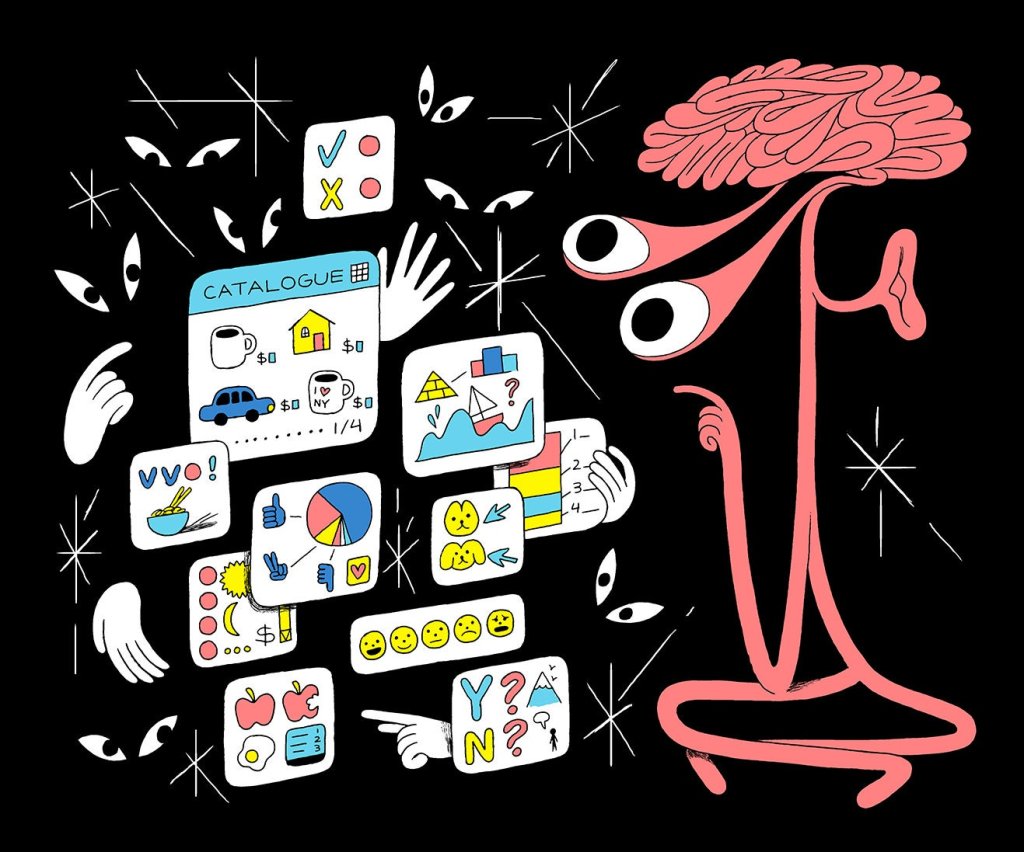
Understanding Behavioral Economics
Understanding the key concepts of behavioral economics is essential in creating effective marketing strategies. Behavioral economics explores why and how people make decisions and often make irrational choices. The principles of behavioral economics are based on the idea that humans are not always rational and that their decisions are influenced by their emotions, social norms, and cognitive biases.
One important concept in behavioral economics is anchoring and framing. Anchoring refers to the first piece of information that a person receives when making a decision. This information becomes the reference point for all subsequent decisions. Framing refers to how the information is presented to the person. By understanding anchoring and framing, companies can use these principles to present their products or services in a way that is more likely to influence the customer’s decision-making.
Another important concept in behavioral economics is loss aversion. People tend to place more value on avoiding losses than on acquiring gains. For example, a person is more likely to be motivated by the fear of missing out on a deal than by the potential benefits of the deal itself. This principle can be used to create a sense of urgency or scarcity around an offer to encourage people to make a purchase.
Cognitive biases are also a significant part of behavioral economics. They are automatic and irrational ways of thinking that can affect decision-making. Examples of cognitive biases include the confirmation bias, where a person seeks out information that confirms their existing beliefs, and the availability heuristic, where a person overestimates the probability of an event based on how easily they can recall it. By understanding these biases, companies can craft marketing messages that take advantage of them or attempt to overcome them.
By understanding the principles of behavioral economics, companies can create offers that are more likely to be accepted by potential customers. Behavioral economics offers a new perspective on decision-making and how companies can influence these decisions. This understanding can help companies create more effective marketing strategies that stand out in a crowded marketplace.

Crafting Irresistible Offers Using Behavioral Economics
Crafting irresistible offers using behavioral economics is a powerful way to increase sales and revenue. Once you understand the key concepts of behavioral economics, you can begin to use them to create offers that are more appealing and increase the likelihood of a sale. Here are some strategies you can use to craft irresistible offers using behavioral economics:
- Scarcity and Urgency: Scarcity and urgency are powerful tools in creating a sense of importance around an offer. People tend to value things more when they are scarce or urgent. For example, a limited-time discount or a limited quantity of a product can create a sense of urgency that encourages people to make a purchase. A sense of scarcity can be created by offering a product or service for a limited time or by highlighting the limited availability of a product.
- Social Proof: Social proof is the idea that people are more likely to trust and follow the actions of others. By including customer testimonials or by highlighting the number of people who have already made a purchase, companies can create trust and credibility with potential customers. For example, a small online retailer could include customer reviews and ratings on their product pages to show potential customers that others have already purchased and enjoyed their products.
- Loss Aversion: Loss aversion is the idea that people tend to place a higher value on avoiding losses than on acquiring gains. Companies can use this to their advantage by creating a sense of urgency or scarcity around their offer. For example, by highlighting the potential loss of a deal if a customer does not act quickly, companies can encourage customers to make a purchase.
- Personalization: Personalization is a powerful way to make offers more appealing. By tailoring an offer to a specific individual or group, companies can create a stronger connection and increase the likelihood of a sale. For example, a small fitness company could send personalized emails to customers based on their fitness goals, offering customized workout plans and products that are specifically tailored to their needs.
By using these strategies, companies can create offers that are more likely to be accepted and result in increased sales and revenue. However, it’s important to use these strategies ethically and transparently. Companies should always prioritize the needs and interests of their customers and ensure that their offers are ethical and transparent. By doing so, companies can build trust and credibility with their customers, resulting in long-term success.
Examples of Successful Offers Using Behavioral Economics
There are numerous examples of companies that have successfully used behavioral economics to create irresistible offers. By incorporating principles such as scarcity, social proof, and loss aversion, companies have been able to stand out in crowded marketplaces and increase sales. Here are some examples of successful offers using behavioral economics:
- Amazon: Amazon uses personalized recommendations based on past purchases and browsing history to encourage customers to make additional purchases. By recommending products that are similar to items that customers have already purchased or viewed, Amazon takes advantage of the concept of anchoring and framing. Customers are more likely to purchase items that are presented as similar to items they have already shown an interest in.
- Groupon: Groupon is a daily deal website that uses scarcity and urgency to encourage people to make purchases by offering limited-time deals on a variety of products and services. The time limit creates a sense of urgency and encourages people to make a purchase before the deal expires. The limited availability of the deals also creates a sense of scarcity, which can increase the perceived value of the offer.
- Dollar Shave Club: Dollar Shave Club is a subscription-based razor delivery service that uses social proof to build trust and credibility with potential customers. The company uses customer testimonials and reviews to show potential customers that their products are of high quality and provide value. By incorporating social proof into their marketing, Dollar Shave Club has been able to differentiate themselves from competitors and establish a loyal customer base.
- Blue Apron: Blue Apron is a meal delivery service that uses personalization to create more appealing offers. By offering customized meal plans based on dietary preferences and cooking abilities, Blue Apron appeals to a wider range of potential customers. This personalization creates a stronger connection between the customer and the company, which can increase the likelihood of a sale.
Even smaller, lesser-known companies can use behavioral economics to their advantage. By offering limited-time discounts, highlighting customer reviews, or using personalization, small businesses can create offers that are more likely to be accepted by potential customers. The key is to understand the principles of behavioral economics and use them ethically and transparently to create offers that provide value to customers.

Implementing Behavioral Economics in Your Offers
Implementing behavioral economics in your marketing strategy can be a powerful way to increase sales and revenue. However, it’s important to take the right steps to ensure success. Here are some steps to take when implementing behavioral economics in your offers:
- Identify Your Goals: Before you start crafting offers using behavioral economics, it’s important to identify your goals. What do you hope to achieve with these offers? Are you looking to increase sales, build brand awareness, or establish a loyal customer base? By identifying your goals, you can tailor your offers to achieve those goals.
- Understand Your Customers: To create effective offers using behavioral economics, it’s important to understand your customers. What motivates them? What are their needs and interests? By understanding your customers, you can create offers that are more appealing to them and increase the likelihood of a sale.
- Test and Measure: Testing and measuring the effectiveness of your offers is critical to success. A/B testing, where you offer different versions of the same offer to different groups of people and measure which one is more effective, can be a useful tool. It’s important to track metrics such as conversion rates, click-through rates, and revenue to determine the effectiveness of your offers.
- Avoid Manipulation: One of the most important things to remember when implementing behavioral economics in your offers is to avoid manipulation. While the principles of behavioral economics can be powerful, it’s important to always prioritize the needs and interests of your customers and ensure that your offers are ethical and transparent.
- Stay Up to Date: Behavioral economics is a constantly evolving field. It’s important to stay up to date on the latest research and trends in behavioral economics to ensure that your marketing strategy remains effective.
By following these steps, you can implement behavioral economics in your marketing strategy in an ethical and effective way. By understanding your goals and your customers and testing and measuring the effectiveness of your offers, you can create offers that are more likely to be accepted and result in increased sales and revenue.
Conclusion
In today’s competitive market, it’s not enough to simply have a good product or service. By understanding the key concepts of behavioral economics and using them to craft irresistible offers, companies can increase sales and revenue. Using techniques such as scarcity, social proof, and personalization, even smaller, lesser-known companies can stand out from the crowd and attract more customers.
However, it’s important to take the right steps to implement these concepts effectively and avoid common mistakes. By prioritizing the needs and interests of your customers and testing the effectiveness of your offers, you can create a marketing strategy that is not only effective but also ethical and transparent. By following these guidelines and staying up to date on the latest trends in behavioral economics, you can make offers that your customers can’t refuse.
Ultimately, the principles of behavioral economics are based on understanding the psychology behind consumer behavior. By understanding what motivates people to make decisions and using this knowledge to create offers that provide value, companies can increase their chances of success. However, it’s important to use these principles ethically and transparently, and to always prioritize the needs and interests of the customer.
By taking the time to understand behavioral economics and implement it effectively in your marketing strategy, you can create offers that not only increase sales and revenue but also build trust and credibility with your customers. In today’s competitive market, standing out from the crowd is essential, and using behavioral economics is one powerful way to achieve this.

 Marketing Unplugged
Leave a Reply