
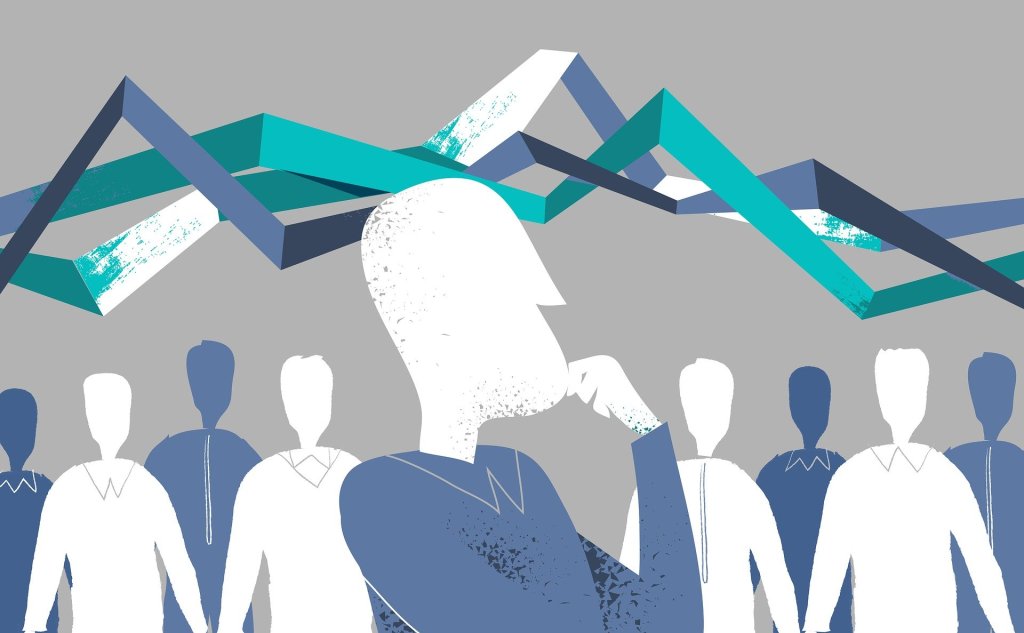

Hello folks, Charles Lange here, and today we’re going to talk about something that’s essential for businesses of all sizes – psychographics! It’s a word that may sound like something out of a science fiction movie, but it’s actually a powerful tool that can help companies truly understand their customers and what they want. So, let’s dive in and learn more about it.
What are Psychographics?
Folks, let me tell you, psychographics is a term that’s been making waves in the business world. It’s not some fancy term that only Ivy League graduates understand, no sir! It’s a powerful tool that can help businesses truly understand their customers and what makes them tick.
Now, let me break it down for you – psychographics is all about studying people’s attitudes, interests, values, and lifestyles. It’s not like your typical demographic data that only tells you basic stuff like age or income. This is about going deeper and understanding why people make certain choices, what they believe in, and how they live their lives.
For instance, let’s say you run a small business that sells eco-friendly products. You might think that your customers are just concerned with the environment, but with psychographic data, you can learn that they’re also passionate about social justice issues or animal rights. Armed with that information, you can tailor your products and marketing campaigns to appeal to their values and create a stronger connection with them.
So folks, psychographics isn’t just some buzzword – it’s a game-changer for businesses looking to truly understand their customers and give them what they really want.

Why are Psychographics Important for Businesses?
Listen up, folks, because this is important – psychographics is a game-changer for businesses. It’s not just some fancy term that only big corporations can use, no sir! Any business can benefit from using psychographic data to understand their customers on a deeper level.
Why is it so important? Well, let me tell you. With psychographics, businesses can create more targeted marketing campaigns and develop products and services that better meet their customers’ needs. You’re not just throwing things at a wall and hoping they stick – you’re creating things that your customers actually want and value.
But it’s not just about making sales, folks. By using psychographics, businesses can also build stronger customer relationships. When you understand your customers’ values and interests, you can create a connection with them that goes beyond just buying and selling. This leads to greater customer loyalty and can even attract new customers who share those same values.
Just look at small businesses like Brooklyn-based OddFellows Ice Cream Co. They use psychographic research to understand their customers’ tastes and preferences, and they create unique ice cream flavors that appeal to them. This has helped them build a loyal customer base and even attract national media attention.
So folks, if you’re not using psychographics in your business, you’re missing out. It’s not just a buzzword – it’s a powerful tool that can help you understand your customers and give them what they really want.
How to Use Psychographics in Your Business
Okay, folks, let’s get down to business. Now that we’ve talked about what psychographics is and why it’s important, let’s talk about how to use it in your business.
There are several methods for gathering psychographic data, and it’s important to use a combination of them to get a complete picture of your customers. One way is to conduct surveys that ask questions about attitudes, interests, values, and lifestyle. This can be done through email or even social media, where you can reach a large number of customers at once.
Another way to gather psychographic data is through interviews with customers. This can be done in person or over the phone and allows you to dig deeper into their motivations and desires. You can even use focus groups to gather data from multiple customers at once.
Finally, you can also use social media analytics to gain insights into your customers’ interests and values. By analyzing their posts and likes, you can learn more about their lifestyle and preferences.
Once you have gathered the data, it’s important to analyze it and draw meaningful conclusions. This is where data visualization tools can be helpful. By creating visual representations of the data, businesses can quickly identify patterns and trends.
For example, let’s say you run a small bookstore. By analyzing the data you collected, you might find that your customers are interested in certain genres of books, such as science fiction or historical fiction. Armed with this information, you can tailor your inventory to better meet their needs and interests.
In conclusion, folks, using psychographics in your business can give you a powerful competitive advantage. By understanding your customers’ attitudes, interests, values, and lifestyles, you can create targeted marketing campaigns, develop products and services that meet their needs, and build stronger customer relationships. So go ahead and give it a try – you might be surprised by how much you can learn about your customers and how it can help your business grow.
Ethical Considerations in Psychographic
Now folks, when it comes to using psychographic data, there are some important ethical considerations to keep in mind. It’s not just about collecting as much data as possible – it’s about doing it in a responsible and ethical way.
First and foremost, it’s important to protect your customers’ privacy. You should only collect the data you need and use it for the purpose you intended. Customers should also have the option to opt-out of data collection if they don’t feel comfortable sharing their personal information.
Another important ethical consideration is transparency. You should be upfront with your customers about what data you’re collecting and how you plan to use it. This builds trust and can actually strengthen the relationship between you and your customers.
It’s also important to keep in mind that psychographic data can be misused. For example, it can be used to create targeted ads that manipulate customers or even to discriminate against certain groups. It’s important to use psychographic data in an ethical and responsible manner that doesn’t harm anyone.
Small businesses like Seattle-based Theo Chocolate have successfully navigated the ethical considerations of psychographic research. They use psychographic data to understand their customers’ values and interests, including their commitment to fair trade and sustainability. However, they are also transparent about their data collection practices and only use the data to improve their products and marketing campaigns.
In conclusion, folks, using psychographic data in your business comes with ethical responsibilities. It’s important to protect your customers’ privacy, be transparent about your data collection practices, and use the data in an ethical and responsible manner. By doing so, you can build trust with your customers and create a better experience for everyone involved.
Conclusion
In conclusion, psychographics is a powerful tool that can help businesses understand their customers on a deeper level. By using psychographic data to create targeted marketing campaigns and products that meet customers’ values and interests, businesses can create a competitive advantage and build strong customer relationships. It’s important to conduct psychographic research in an ethical and transparent manner, and to always keep the customer’s privacy in mind. So, go ahead and give it a try – you might be surprised by how much you can learn about your customers and how it can help your business grow.
Let’s take another example of a small business that has used psychographics to its advantage. Small Axe Peppers, a hot sauce company based in the Bronx, uses locally sourced peppers and supports community gardens in the area. The company uses psychographic research to understand its customers’ values and interests, such as a desire to support local businesses and sustainable agriculture. This has helped the company create a loyal customer base and expand its product line to include other locally sourced food items.
In summary, psychographics is a valuable tool for businesses of all sizes. By understanding customers’ attitudes, interests, values, and lifestyles, businesses can create more targeted marketing campaigns, products, and services that better meet their customers’ needs. It’s important to conduct psychographic research in an ethical and transparent manner, and to always keep the customer’s privacy in mind. So go ahead, use psychographics to unlock the secrets of what your customers really want, and watch your business thrive!

 Marketing Unplugged
Leave a Reply