


In today’s crowded marketplace, marketers face the challenge of standing out and capturing the attention of potential customers. With so much noise and competition, it can be difficult to break through and persuade people to make a purchase or take action. However, by understanding the principles of persuasion, marketers can create more effective campaigns that are more likely to resonate with customers and drive business success.
The principles of persuasion were first introduced by psychologist Robert Cialdini in his book, “Influence: The Psychology of Persuasion.” In the book, Cialdini outlines six principles that can be used to influence people’s behavior: reciprocity, scarcity, authority, consistency, liking, and social proof. These principles tap into basic human tendencies and can be applied in a variety of contexts to increase the likelihood of people making a purchase, signing up for a service, or taking other desired actions.
In this article, we will explore each of the six principles of persuasion in-depth and provide real-life examples of how smaller, lesser-known companies have effectively used these principles in their marketing strategies. Whether you’re a small business owner or a marketer at a larger company, understanding and applying these principles can help you increase your effectiveness in marketing and sales and drive business success.

The Principle of Reciprocity
The principle of reciprocity is a powerful tool in marketing and sales, as it taps into the basic human tendency to want to return favors or repay kindness. When people receive something for free or at a discount, they often feel a sense of obligation to reciprocate in some way. This principle has been used by marketers for decades to encourage people to try new products, sign up for services, or make purchases.
One company that has effectively used the principle of reciprocity is the online retailer, Warby Parker. When customers purchase a pair of glasses from Warby Parker, the company donates a pair to someone in need. This not only creates a positive association with the brand but also makes customers feel like they’re doing something good by making a purchase. Additionally, Warby Parker offers a “Home Try-On” program, where customers can select five frames to try on at home for free. This not only incentivizes potential customers to try their service but also creates a sense of obligation to return the favor and make a purchase in the future.
Another example of the principle of reciprocity in action is the marketing strategy used by the subscription meal-kit delivery service, HelloFresh. When new customers sign up for a subscription, they are offered a free meal kit. This not only encourages potential customers to try the service but also creates a sense of obligation to purchase additional meal kits in the future. By offering a free sample of their product, HelloFresh is able to increase the likelihood of customer loyalty and repeat business.
In both of these examples, the principle of reciprocity is used to create a positive association with the brand and to incentivize customers to make purchases or sign up for services. By giving something to customers first, companies can increase the likelihood of customers returning the favor in the form of future business.
The Principle of Scarcity
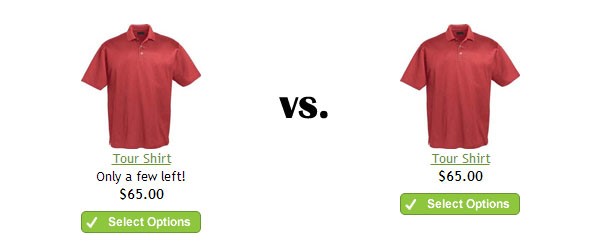
The principle of scarcity is a powerful motivator in marketing and sales because people tend to place a higher value on things that are limited or hard to come by. When something is rare or only available for a short time, people may feel a sense of urgency to act quickly before it’s too late. Marketers have long used the principle of scarcity to create a sense of exclusivity and to encourage customers to make purchases before items are no longer available.
One company that has effectively used the principle of scarcity is the outdoor clothing and gear retailer, Patagonia. The company offers limited edition items that are only available for a short time, such as their “Worn Wear” collection, which features clothing made from recycled materials. By offering these limited edition items, Patagonia creates a sense of exclusivity and urgency among customers to purchase the products before they’re no longer available. Additionally, Patagonia has used scarcity in their marketing campaigns, such as their “Don’t Buy This Jacket” ad, which encouraged customers to think twice before making a purchase and to consider the environmental impact of their buying habits.
Another example of the principle of scarcity in action is the marketing strategy used by the luxury fashion brand, Hermès. The company is known for its exclusive and limited edition products, such as their Birkin bags, which are only produced in limited quantities each year. By creating a sense of exclusivity and rarity around their products, Hermès is able to justify high prices and increase demand among customers who want to own a piece of the brand.
In both of these examples, the principle of scarcity is used to create a sense of urgency and exclusivity around products, which can increase customer motivation to make a purchase before items are no longer available. By using limited edition items or producing items in limited quantities, companies can tap into customers’ fear of missing out and create a sense of urgency to act quickly.
The Principle of Authority
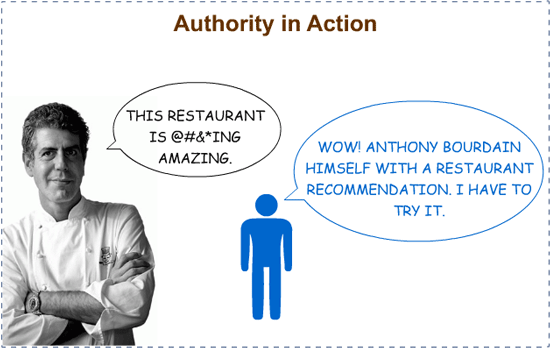
The principle of authority is a powerful tool in marketing because people tend to trust and follow the advice of experts or authoritative figures. When a product or service is associated with a credible, knowledgeable expert, it can increase customers’ trust in the brand and their likelihood to make a purchase.
One company that has effectively used the principle of authority is the skincare brand, Drunk Elephant. The founder of the company, Tiffany Masterson, is a former stay-at-home mom who created the brand after struggling with skin issues. Masterson’s personal story and expertise in skincare have helped to create a sense of authority and credibility around the brand. Additionally, the brand has received endorsements from beauty experts and influencers, further reinforcing the brand’s credibility in the industry.
Another example of the principle of authority in action is the marketing strategy used by the personal finance company, NerdWallet. The company provides financial advice and recommendations based on data and analysis from financial experts. By associating their brand with authoritative figures and credible sources of information, NerdWallet is able to build trust with customers and establish themselves as a reliable source of financial advice.
In both of these examples, the principle of authority is used to build trust and credibility with customers. By associating a product or service with credible, knowledgeable experts, companies can increase customers’ confidence in the brand and their likelihood to make a purchase. Additionally, endorsements from experts or influencers can help to reinforce the brand’s credibility and authority in the industry.

The Principle of Consistency
The principle of consistency is a powerful tool in marketing because people tend to behave in ways that are consistent with their previous actions or beliefs. When people make a small commitment or take a small action that aligns with their values or beliefs, they are more likely to make larger commitments or take larger actions in the future.
One company that has effectively used the principle of consistency is the meal-kit delivery service, Blue Apron. The company encourages customers to sign up for a weekly subscription of their meal kits, which requires a small commitment to receive a box of ingredients each week. By making this small commitment, customers are more likely to continue using the service and making purchases in the future.
Another example of the principle of consistency in action is the marketing strategy used by the fitness app, Peloton. The app offers personalized workout plans and encourages users to set goals and track their progress. By asking users to make a small commitment to their fitness goals, such as completing a daily workout, Peloton is able to increase the likelihood of users making larger commitments, such as purchasing a Peloton bike or subscribing to the app’s premium content.
In both of these examples, the principle of consistency is used to encourage customers to make small commitments or take small actions that align with their values or beliefs. By doing so, companies can increase the likelihood of customers making larger commitments or taking larger actions in the future. Additionally, small commitments can help to establish brand loyalty and encourage repeat business from customers.
It’s important to note that companies must be authentic in their use of the principle of consistency. If customers feel that a company is being manipulative or insincere, they may be less likely to make larger commitments or continue doing business with the company. Therefore, it’s important for companies to be transparent and honest in their marketing efforts and to ensure that their messaging aligns with their values and beliefs.

The Principle of Liking
The principle of liking is a powerful tool in marketing because people are more influenced by people or products that they like or have positive associations with. When people have positive feelings towards a brand or product, they are more likely to purchase from that brand or recommend it to others.
One company that has effectively used the principle of liking is the makeup brand Glossier. The company has built a loyal following by creating a relatable brand that resonates with their customers. They use real customers as models in their advertising, which helps to create a sense of authenticity and relatability. Additionally, the company has a strong social media presence and engages with customers through user-generated content, such as their “Top Shelfie” series, which features photos and stories from customers about their skincare routines.
Another example of the principle of liking in action is the marketing strategy used by the coffee company, Death Wish Coffee. The company has built a loyal following by creating a brand that appeals to customers who value strength and intensity in their coffee. Additionally, the company has a strong social media presence and engages with customers through user-generated content and humorous advertising campaigns, such as their “The World’s Strongest Coffee” ad featuring a Viking.
In both of these examples, the principle of liking is used to create positive associations with the brand and to encourage customer loyalty. By creating a relatable, authentic brand that resonates with customers, companies can increase customers’ positive feelings towards the brand and their likelihood to make a purchase. Additionally, engaging with customers through social media and user-generated content can help to create a sense of community and encourage brand loyalty.
It’s important to note that companies must be authentic in their use of the principle of liking. If customers feel that a company is being disingenuous or insincere, they may be less likely to make a purchase or recommend the brand to others. Therefore, it’s important for companies to be transparent and honest in their marketing efforts and to ensure that their messaging aligns with their values and beliefs.

The Principle of Social Proof
The principle of social proof is a powerful tool in marketing because people tend to follow the actions of others in similar situations. When people see that others have purchased and liked a product or service, they are more likely to do the same. Social proof can be established through customer reviews, ratings, and testimonials, as well as through endorsements from influencers or celebrities.
One company that has effectively used the principle of social proof is the online retailer, Amazon. The company prominently displays customer reviews and ratings for products, which helps to establish social proof and build trust with potential customers. Additionally, Amazon has a “Customers Who Bought This Item Also Bought” feature, which recommends related products based on customers’ previous purchases. This not only encourages additional purchases but also establishes social proof by showing that other customers have made similar purchases.
Another example of the principle of social proof in action is the marketing strategy used by the fashion brand, Everlane. The company prominently displays customer reviews and ratings for their products on their website, which helps to build trust and credibility with potential customers. Additionally, the company has a “Choose What You Pay” feature, which allows customers to select from three different prices for a product. This not only creates a sense of exclusivity but also establishes social proof by showing that other customers have made similar purchases at different price points.
In both of these examples, the principle of social proof is used to establish trust and credibility with potential customers. By showcasing customer reviews, ratings, and testimonials, companies can increase customers’ confidence in the brand and their likelihood to make a purchase. Additionally, recommendations based on previous purchases can help to establish social proof and encourage additional purchases.
It’s important to note that companies must be authentic in their use of the principle of social proof. If customers feel that a company is using fake reviews or endorsements, they may be less likely to make a purchase or recommend the brand to others. Therefore, it’s important for companies to ensure that their social proof is genuine and transparent, and that they are not manipulating or misrepresenting customer feedback.

Conclusion
In conclusion, the six principles of persuasion outlined in this article offer a valuable framework for marketers to understand how people make decisions and how they can influence those decisions. By understanding and applying these principles strategically, marketers can create effective marketing campaigns that are more likely to resonate with customers and drive business success.
The principle of reciprocity encourages companies to give something to customers first, which can increase the likelihood of customers returning the favor in the form of future business. The principle of scarcity creates a sense of urgency and exclusivity around products, which can increase customer motivation to make a purchase before items are no longer available. The principle of authority builds trust and credibility with customers by associating a product or service with credible, knowledgeable experts. The principle of consistency encourages customers to make small commitments or take small actions that align with their values or beliefs, which can increase the likelihood of customers making larger commitments or taking larger actions in the future. The principle of liking creates positive associations with the brand and encourages customer loyalty by creating a relatable, authentic brand that resonates with customers. The principle of social proof establishes trust and credibility with potential customers by showcasing customer reviews, ratings, and testimonials, as well as endorsements from influencers or celebrities.
Whether you’re a small, lesser-known company or a larger, well-established brand, these principles can help you increase your effectiveness in marketing and sales. By applying these principles authentically and transparently, companies can build trust and credibility with customers, encourage repeat business, and drive business success.

 Marketing Unplugged
Leave a Reply