


Storytelling has been an integral part of human communication since the beginning of time. From ancient cave paintings to modern-day Hollywood movies, stories have been used to connect with others, share knowledge, and evoke emotions. In marketing, storytelling is a powerful tool that can help companies connect with their audience, build brand identity, and ultimately drive conversions.
However, not all companies are using storytelling effectively in their marketing efforts. Some may believe that their products or services are not “exciting” enough to warrant a story, while others may not understand the importance of storytelling in marketing. This is where small, lesser-known companies can provide valuable insights into how storytelling can be used effectively in marketing.
In this article, we will explore the art of storytelling in marketing and provide real-life examples from smaller companies to illustrate its effectiveness. We will cover the basics of storytelling, how to identify your brand story, crafting your story for your audience, using storytelling across your marketing channels, and measuring the impact of your storytelling efforts. By the end of this article, you will have a better understanding of how storytelling can be used to captivate your audience and drive conversions.
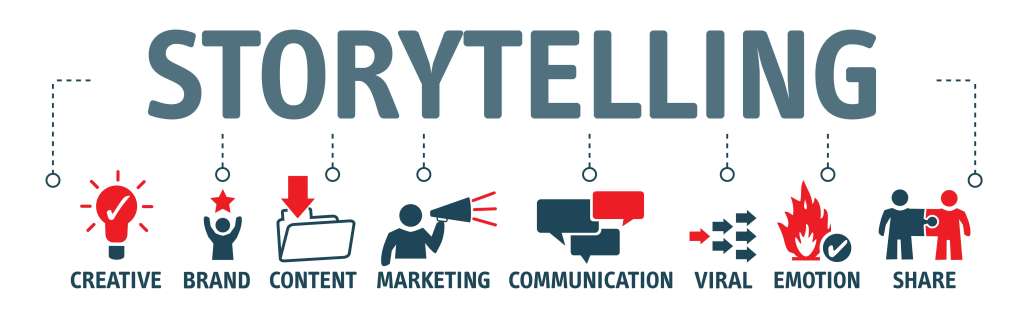
Understanding the Basics of Storytelling
Storytelling is the act of using words, images, and other media to create a narrative that engages and connects with an audience. Stories have a beginning, middle, and end and are structured to evoke emotion, create a sense of tension or conflict, and ultimately resolve that conflict. In marketing, storytelling can be used to create a brand narrative that connects with the audience and creates a sense of identity.
One of the key elements of storytelling is identifying the audience. Understanding who your audience is and what they care about is crucial in crafting a story that resonates with them. A story that may be effective for one audience may not work for another. For example, a story about a brand’s sustainability efforts may resonate with environmentally conscious consumers but may not be as effective for those who prioritize convenience over sustainability.
Another important element of storytelling is creating a sense of authenticity. Today’s consumers are savvy and can quickly spot inauthentic storytelling. A story that feels forced or insincere can turn off potential customers. Therefore, it’s important to ensure that your story aligns with your brand values and is told in a genuine and authentic way.
A great example of a small company that has effectively used storytelling in their marketing is Farm.One, a small urban farm in New York City. They have created a brand story around their mission to bring fresh, locally grown produce to city dwellers. Their story highlights the importance of sustainability, community, and health. By using storytelling in their marketing efforts, Farm.One has been able to create a sense of identity and connect with their audience on a deeper level.
Another example of a company that has successfully used storytelling in its marketing efforts is Tushy. Tushy, a small company that sells bidet attachments, has created a story around the taboo topic of bathroom hygiene. They have created relatable characters, including a “butt model” who demonstrates the product’s features, and a mascot named “Tooshie” who adds humor to the brand’s messaging. By telling a story, Tushy has been able to remove the stigma around bathroom hygiene and make the product more approachable to its audience.
Understanding the basics of storytelling is crucial in using it effectively in marketing. Identifying the audience, creating a sense of authenticity, and structuring the story to create a sense of tension and resolution are all important elements of effective storytelling. By looking at examples of small companies that have used storytelling effectively in their marketing, you can gain a better understanding of how to use it to connect with your audience and drive conversions.

Identifying Your Brand Story
Identifying your brand story is the foundation for effective storytelling in marketing. Your brand story is the narrative that captures the essence of your brand, what you stand for, and what sets you apart from your competitors. It should be authentic, memorable, and relevant to your audience.
To identify your brand story, start by examining your brand values and mission. What do you want to achieve as a company? What values do you hold dear? How do you want to make an impact in the world? These questions can help you identify the core of your brand story.
Next, examine your company’s history and origin story. What inspired you to start your company? What challenges have you faced along the way? What milestones have you achieved? This information can help you craft a story that resonates with your audience and creates a sense of connection.
One example of a small company that has effectively identified their brand story is Allbirds, a sustainable shoe company. Allbirds has created a brand story around their mission to create sustainable, comfortable shoes that are good for the environment. Their story highlights their commitment to sustainability, their innovative approach to materials, and their dedication to creating products that are both functional and fashionable. By identifying their brand story, Allbirds has been able to create a loyal following and connect with their audience on a deeper level.
Another good example of a small company that has developed a unique brand story is Meowbox. Meowbox is a subscription service for cat owners that provides a monthly box of toys and treats. Their brand story centers around the idea of “enriching the lives of cats.” By creating a story around their mission to provide cats with stimulating toys and healthy treats, they have connected with their target audience and differentiated themselves from other subscription services.
Identifying your brand story is a crucial step in effective storytelling in marketing. Examining your brand values and mission, as well as your company’s history and origin story, can help you craft a narrative that resonates with your audience and sets you apart from your competitors. By looking at examples of small companies that have identified their brand story, you can gain inspiration for your own storytelling efforts.

Crafting Your Story for Your Audience
Once you’ve identified your brand story, it’s important to craft it in a way that resonates with your audience. This means understanding their needs, desires, and pain points and structuring your story in a way that addresses those concerns.
One effective way to craft your story for your audience is to use the “hero’s journey” framework. This is a narrative structure that follows a hero as they encounter challenges, overcome obstacles, and ultimately achieve their goal. By using this framework, you can create a story that evokes emotion, creates tension, and ultimately resolves in a satisfying way.
Another important aspect of crafting your story for your audience is using language and imagery that speaks to them directly. This means understanding their values, interests, and concerns and using language that resonates with them. For example, if your target audience is young, environmentally conscious consumers, you might use language that emphasizes sustainability and eco-friendliness.
One small company that has effectively crafted their story for their audience is Felt+Fat, a handmade ceramics company. Felt+Fat has created a brand story around their commitment to quality, craftsmanship, and creativity. They use language that emphasizes the uniqueness of their products, and they create images that showcase the beauty of their ceramics. By crafting their story in a way that speaks directly to their audience, Felt+Fat has been able to create a loyal following and drive conversions.
Another great example of a small company that has tailored their story to their audience is Pela Case. Pela Case sells eco-friendly phone cases made from plant-based materials. Their story centers around the idea of reducing plastic waste and protecting the environment. By crafting a story that resonates with eco-conscious consumers, they have been able to increase brand awareness and drive conversions.
Crafting your story for your audience is crucial in effective storytelling in marketing. Using the hero’s journey framework, using language and imagery that speaks to your audience, and understanding their needs and desires are all important elements of crafting a story that resonates. By looking at examples of small companies that have effectively crafted their story for their audience, you can gain inspiration for your own storytelling efforts.

Using Storytelling Across Your Marketing Channels
Once you’ve crafted your brand story and tailored it to your audience, it’s time to think about how to incorporate storytelling across your marketing channels. Storytelling can be used in a variety of ways, including website copy, social media posts, email marketing campaigns, and video content.
One effective way to use storytelling in your marketing channels is to create a consistent brand narrative. This means using the same tone, voice, and messaging across all your channels to create a cohesive brand experience for your audience. For example, if your brand story is about innovation and creativity, you might use language that emphasizes these values across all your marketing channels.
Another way to use storytelling in your marketing channels is to create specific campaigns that tell a story. This could be a social media campaign that follows a hero’s journey or an email marketing campaign that tells the story of how your product or service has transformed someone’s life. These campaigns can create a sense of emotional investment in your brand and ultimately drive conversions.
One small company that has effectively used storytelling across their marketing channels is Glerup Revere Packaging, a custom packaging company. Glerup Revere Packaging has created a consistent brand narrative around their commitment to sustainability and innovation. They use language and imagery that emphasizes these values across all their channels, including their website, social media, and email campaigns. They have also created specific campaigns, such as their “Earth-Friendly Packaging Challenge,” which tells the story of how their packaging solutions can help businesses reduce their environmental impact. By using storytelling across their marketing channels, Glerup Revere Packaging has been able to create a strong brand identity and connect with their audience on a deeper level.
A nice example of a small company that has successfully used storytelling across multiple channels is Bodega Coffee Co. Bodega Coffee Co. is a small coffee shop in San Diego that has created a story around their commitment to sustainability and community. They have used social media to share their story through visually appealing posts and engaging captions. They also use email marketing to connect with their audience and share updates about their sustainability efforts. Additionally, they have created a brand video that tells their story and showcases their commitment to their community. By using storytelling across their marketing channels, Bodega Coffee Co. has been able to create a consistent brand message and connect with their audience on multiple levels.
Using storytelling across your marketing channels is a powerful way to create a cohesive brand experience and drive conversions. Creating a consistent brand narrative, using specific campaigns, and tailoring your messaging to your audience are all important elements of effective storytelling in marketing. By looking at examples of small companies that have effectively used storytelling across their marketing channels, you can gain inspiration for your own marketing efforts.

Measuring the Impact of Your Storytelling
Finally, it’s important to measure the impact of your storytelling efforts to determine if they are effectively reaching and engaging your audience. There are several metrics you can track to measure the impact of your storytelling, including website traffic, engagement on social media, email open and click-through rates, and conversion rates.
One effective way to measure the impact of your storytelling is to track the engagement on your website. This can include the amount of time visitors spend on your website, the number of pages they visit, and the bounce rate (the percentage of visitors who leave after viewing only one page). If your storytelling efforts are effective, you should see an increase in website traffic and engagement.
Another important metric to track is engagement on social media. This can include the number of likes, comments, shares, and followers on your social media channels. If your storytelling efforts are resonating with your audience, you should see an increase in engagement on your social media channels.
Finally, it’s important to track conversion rates to determine if your storytelling efforts are driving sales or other desired actions. This can include tracking the number of leads generated from email campaigns, the number of purchases made on your website, or the number of people who sign up for a free trial or demo of your product.
One small company that has effectively measured the impact of their storytelling is LolaHemp, a CBD oil company for pets. LolaHemp uses storytelling to emphasize their commitment to quality, transparency, and customer service. They track the engagement on their website by using Google Analytics to monitor website traffic and engagement metrics. They also track their conversion rates by using Shopify to monitor the number of sales generated from their website. By measuring the impact of their storytelling efforts, LolaHemp has been able to refine their messaging and optimize their marketing channels for maximum impact.
An example of a small company that has measured the impact of their storytelling efforts is Airstream Adventures Northwest. Airstream Adventures Northwest is a small RV dealership that has created a story around the idea of “living your best adventure.” They have used storytelling in their advertising efforts, including creating visually appealing ads that showcase their RVs and using messaging that resonates with adventure-seekers. By tracking their website traffic and conversions, they have been able to determine the effectiveness of their storytelling efforts and adjust their strategy accordingly.
Measuring the impact of your storytelling efforts is crucial in determining if they are effectively reaching and engaging your audience. Tracking metrics such as website traffic, social media engagement, and conversion rates can help you understand the effectiveness of your storytelling efforts and make data-driven decisions to optimize your marketing channels. By looking at examples of small companies that have effectively measured the impact of their storytelling, you can gain insights and inspiration for your own marketing efforts.

Conclusion
Storytelling is a powerful tool for marketers looking to connect with their audience on a deeper level. By crafting a compelling brand story, tailoring it to your audience, and using it across your marketing channels, you can create a cohesive brand experience and drive conversions.
As we’ve seen from the examples of small companies such as Molly’s Milk Truck, Noho Home, Glerup Revere Packaging, and LolaHemp, effective storytelling can help you stand out in a crowded market and create a strong emotional connection with your audience.
However, it’s important to remember that effective storytelling requires a deep understanding of your audience, a commitment to authenticity and transparency, and a willingness to experiment and iterate to find what works best.
By following the steps outlined in this article, you can begin to craft your own brand story and use it across your marketing channels to drive engagement and conversions. And by measuring the impact of your storytelling efforts, you can refine your messaging and optimize your marketing channels for maximum impact.
In conclusion, the art of storytelling in marketing is not just a buzzword – it’s a powerful tool for creating a lasting connection with your audience and driving business success.

 Marketing Unplugged
Leave a Reply