
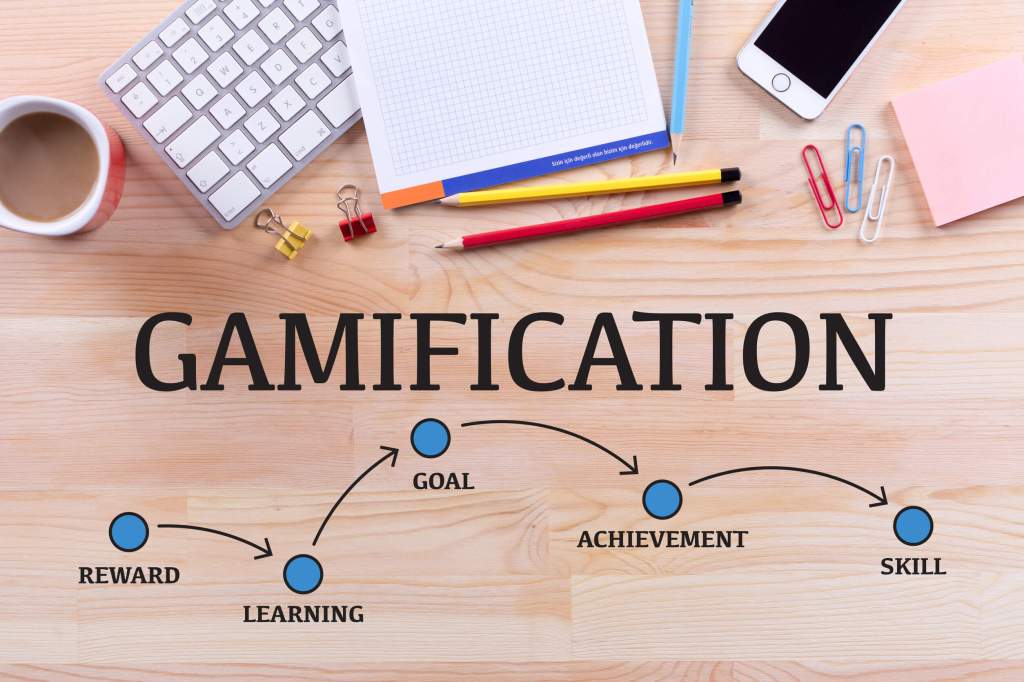

In today’s fast-paced and competitive business environment, standing out from the crowd is essential for success. While traditional marketing strategies such as advertising and promotions can be effective, they are often expensive and may not always engage customers as effectively as desired. This is where gamification comes in.
Gamification is the process of using game mechanics and design in non-game contexts to motivate and engage people. In marketing, gamification can be used to encourage customers to take action, such as making a purchase, signing up for a newsletter, or sharing content on social media. By tapping into people’s natural desire for competition, achievement, and social recognition, gamification can be a powerful tool for businesses looking to build customer engagement and loyalty.
Gamification is not a new concept, but it has gained significant popularity in recent years due to advancements in technology and the rise of social media. Companies of all sizes and industries are using gamification to engage customers, from small startups to large corporations like McDonald’s and Nike. And while gamification can be a complex process, with careful planning and execution, businesses can see significant returns on investment and improved customer engagement.

Understanding Gamification
Gamification is the process of applying game-like mechanics and design to non-game experiences. In the context of marketing, it involves the use of games, challenges, and rewards to motivate customers to engage with brands. The goal of gamification is to create an immersive experience that makes customers feel like they are playing a game, rather than being marketed to.
One of the main differences between gamification and traditional games is that the latter is typically designed purely for entertainment, while the former is designed to achieve specific marketing objectives. For example, a game might be designed to encourage customers to purchase a product, sign up for a newsletter, or follow a brand on social media.
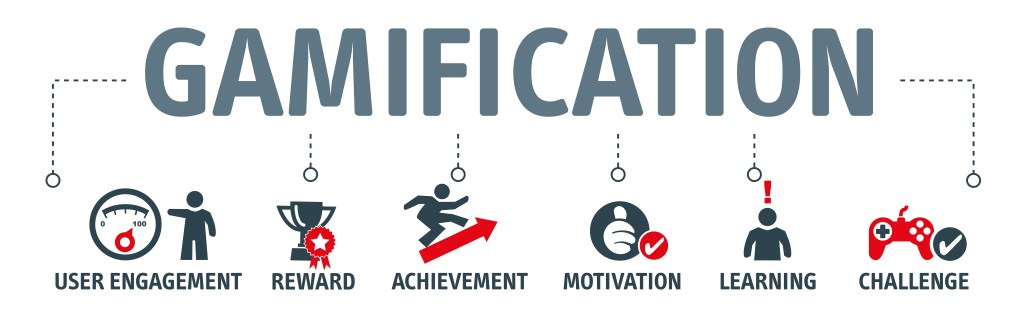
To understand gamification, it’s important to first understand the psychology behind it. Humans are naturally wired to enjoy games and competition, and we are motivated by the desire to achieve goals, earn rewards, and receive recognition from others. By tapping into these innate desires, businesses can use game mechanics and design to create engaging experiences that motivate customers to take action.
Game mechanics are the rules, procedures, and techniques used in games to create an immersive experience. They can include things like points, badges, leaderboards, challenges, and quests. By incorporating these elements into marketing activities, businesses can create a more enjoyable and interactive experience for customers.
For example, a company may create a challenge where customers earn points for completing certain actions, such as making a purchase, sharing content on social media, or referring a friend. These points can then be redeemed for rewards like discounts, free products, or exclusive access to content. By providing a clear path to achievement and tangible rewards for participation, businesses can motivate customers to engage with the brand and take actions that drive sales.
Another key element of gamification is design. The visual and interactive elements of a game can be just as important as the rules and mechanics. Businesses can use design to create an immersive and engaging experience that captures the attention of customers and encourages them to interact with the brand.
For example, a company may create a mobile app that incorporates game-like elements to engage customers. The app may include a leaderboard where users can see how they stack up against other players, or it may include mini-games that allow users to earn rewards and prizes. By creating a fun and engaging experience that captures the attention of customers, businesses can increase brand awareness and build loyalty.
In summary, gamification is the process of using game mechanics and design to create engaging and immersive experiences that motivate customers to take action. By understanding the psychology behind gamification and incorporating elements like points, badges, challenges, and design into marketing activities, businesses can increase customer engagement and drive sales.
Successful Gamification Examples
One example of a company that has successfully used gamification to engage its customers is Duolingo. Duolingo is a language-learning platform that uses game mechanics such as points, levels, and badges to motivate users to learn new languages. By making language learning a game, Duolingo has managed to attract millions of users who might not have otherwise been interested in learning a new language.
Another example of a company that has used gamification effectively is Habitica. Habitica is a productivity app that helps users develop good habits by turning them into a game. Users create avatars and earn points for completing tasks, which helps to motivate them to be more productive.
There are numerous successful gamification examples that businesses can learn from. Some of these examples come from smaller, lesser-known companies that have used gamification to build their brand and engage their customers. Let’s take a look at a few of these examples:
Hopper
Hopper is a mobile app that helps users find the best deals on flights and hotels. To increase user engagement, Hopper implemented a gamification strategy that rewards users for using the app. Users can earn “Hopper coins” by performing various actions, such as booking a trip or sharing the app with friends. These coins can then be redeemed for discounts on future bookings. The gamification strategy has been successful in increasing user engagement and retention.
M&M’s
M&M’s is a candy brand that used gamification to promote its new product line. The company created a mobile game called “M&M’s Flavor Vote” that allowed users to vote for their favorite new flavors and earn points for doing so. The game was promoted through social media and email marketing and was successful in increasing brand awareness and driving sales.
Classcraft
Classcraft is an educational technology platform that uses gamification to motivate students to learn. The platform allows teachers to create “quests” that students can complete by answering questions or completing assignments. Students earn points and level up as they progress through the game, creating a more engaging and fun learning experience.
Fitbit
Fitbit is a fitness tracking device that uses gamification to motivate users to stay active. The device tracks users’ steps, calories burned, and other fitness metrics and awards badges and rewards for achieving various milestones. The gamification strategy has been successful in motivating users to stay active and engaged with the Fitbit brand.
Chiquita
Chiquita is a banana company that used gamification to promote its brand and increase engagement on social media. The company created a mobile game called “Chiquita’s Banana Fun Facts” that challenged users to answer trivia questions about bananas. The game was promoted through social media and email marketing and was successful in increasing brand awareness and engagement.
Starbucks Rewards
Starbucks Rewards is a loyalty program that uses gamification to encourage customers to visit more often and spend more money. Customers earn “stars” for each purchase they make, and can redeem those stars for free drinks, food items, and other rewards. The program also includes different tiers of membership, with more perks available to customers who earn more stars. This gamification strategy has helped to build customer loyalty and encourage repeat visits to Starbucks.
Nike Run Club
Nike Run Club is a fitness app that uses gamification to motivate users to run more often and farther. The app includes challenges and virtual races that allow users to compete with other runners and earn rewards for achieving their goals. Nike Run Club also includes personalized coaching and training plans, which help users to stay motivated and improve their performance. This gamification strategy has helped to make running more fun and engaging for users, and has helped Nike to build a community of loyal customers.
Hootsuite Game On
Hootsuite Game On is a gamified training program that helps users learn how to use Hootsuite’s social media management tools. The program includes challenges and quizzes that allow users to earn points and badges for completing training modules. Users can compete with each other on a leaderboard, and the program includes a “Hall of Fame” for top performers. This gamification strategy has helped to make learning Hootsuite’s tools more enjoyable and engaging, and has helped the company to build a community of skilled users.
MyFitnessPal
MyFitnessPal is a fitness tracking app that has used gamification to motivate users to achieve their fitness goals. The app allows users to set goals for things like calories consumed, exercise minutes, and steps taken. Users can earn badges and rewards for achieving these goals, and can compete with friends on leaderboards to see who is making the most progress. By incorporating these game-like elements, MyFitnessPal has helped users to stay motivated and committed to their fitness goals.
Trello
Trello is a project management tool that has used gamification to help teams stay organized and productive. The tool allows teams to create boards for projects, and users can earn badges and rewards for completing tasks and making progress on their projects. Trello also includes a “Butler” feature that allows users to automate tasks and create custom workflows, which has helped teams to streamline their processes and work more efficiently. By incorporating game mechanics into project management, Trello has helped teams to stay engaged and motivated, leading to improved productivity and success.
These are just a few examples of how smaller, lesser-known companies have successfully used gamification to build their brand and engage their customers. By incorporating game mechanics and design into marketing activities, businesses of all sizes and industries can create engaging and immersive experiences that motivate customers to take action and drive sales.

Benefits of Gamification in Marketing
One of the primary benefits of gamification is increased sales and revenue. By encouraging customers to engage with a brand and take specific actions, gamification can help to drive sales and increase revenue. For example, a company might use gamification to encourage customers to purchase a product or sign up for a subscription service.
Gamification in marketing has numerous benefits that can help businesses achieve their marketing goals. Here are some of the key benefits:
Increases Engagement and Attention
One of the primary benefits of gamification in marketing is that it can increase engagement and attention from customers. By incorporating game mechanics and design elements into marketing activities, businesses can make the experience more enjoyable and memorable for customers. This can help to capture their attention and keep them engaged for longer periods of time, leading to increased brand awareness and customer loyalty.
Improves Learning and Retention
Gamification can also be a powerful tool for improving learning and retention. By making learning experiences more fun and interactive, businesses can help customers to better understand and remember the information being presented. This can be especially useful for businesses that need to educate customers about complex products or services.
Motivates Action and Behavior Change
Another benefit of gamification in marketing is that it can motivate customers to take action and change their behavior. By incorporating game mechanics like rewards and leaderboards, businesses can encourage customers to complete certain actions, like making a purchase or signing up for a newsletter. This can lead to increased sales and customer engagement.
Builds Customer Loyalty
Gamification can also be a powerful tool for building customer loyalty. By rewarding customers for completing certain actions or achieving certain goals, businesses can incentivize them to continue engaging with the brand. This can lead to increased customer loyalty and retention, which can ultimately drive sales and revenue.
Provides Valuable Data and Insights
Finally, gamification can provide valuable data and insights for businesses. By tracking customer behavior and engagement with gamified marketing activities, businesses can gain insights into what works and what doesn’t. This can help them to optimize their marketing strategies and improve customer engagement and retention over time.
Gamification in marketing can provide numerous benefits for businesses of all sizes and industries. By making marketing activities more engaging, fun, and rewarding for customers, businesses can drive sales, build loyalty, and gain valuable insights into customer behavior and preferences.

Designing a Successful Gamification Campaign
Designing a successful gamification campaign requires careful planning and consideration. The first step is to identify business objectives and target audience. This will help to determine the type of game mechanics and rewards that will be most effective in motivating customers to take action.
Another important consideration is creating a seamless user experience. The game mechanics should be easy to understand and intuitive, and the rewards should be meaningful and valuable. It’s also important to ensure that the gamification campaign is scalable and can be sustained over the long term.
Here are some key steps to follow:
Define Your Goals
The first step in designing a successful gamification campaign is to define your goals. What do you want to achieve with the campaign? Do you want to increase sales, build customer loyalty, or educate customers about a new product? Defining your goals will help you to design a gamification strategy that is tailored to your specific needs and objectives.
Understand Your Audience
Once you have defined your goals, the next step is to understand your audience. Who are your customers? What are their interests and preferences? What motivates them? Understanding your audience will help you to design a gamification strategy that is engaging and relevant to their needs.
Choose the Right Game Mechanics
Choosing the right game mechanics is critical to the success of your gamification campaign. Game mechanics are the rules and systems that govern how the game is played. They can include things like points, badges, rewards, leaderboards, and challenges. The key is to choose game mechanics that are aligned with your goals and that will motivate your audience to engage with your brand.
Create an Engaging User Experience
Creating an engaging user experience is also critical to the success of your gamification campaign. You want to make sure that the game is easy to understand and that the user interface is intuitive and visually appealing. This will help to keep users engaged and motivated to continue playing.
Promote Your Gamification Campaign
Once you have designed your gamification campaign, the next step is to promote it to your audience. This can include promoting it through social media, email marketing, or other marketing channels. You want to make sure that your audience is aware of the game and that they are motivated to participate.
Measure and Optimize
Finally, it’s important to measure the success of your gamification campaign and to optimize it over time. You want to track metrics like engagement, retention, and conversion rates to see how the game is performing. Based on this data, you can make adjustments to the game mechanics, user experience, or marketing strategy to improve the results.
In conclusion, designing a successful gamification campaign requires careful planning and execution. By following these key steps, businesses can create a gamification strategy that is engaging, relevant, and effective in achieving their marketing goals.

Examples of Successful Gamification Campaigns
Nike’s “NikeFuel” points system is an example of a successful gamification campaign. NikeFuel is a points system that rewards customers for physical activity. By tracking their activity using a Nike+ device, customers can earn points and unlock rewards such as discounts and exclusive products. The campaign has been highly successful in engaging customers and driving sales for Nike.
Another example of a successful gamification campaign is the small, lesser-known company HabitAware. HabitAware is a company that has developed a smart bracelet designed to help people overcome bad habits such as hair pulling and skin picking. The bracelet uses gamification mechanics to reward users for not engaging in their bad habit, helping them to break the habit over time. By making the process of breaking a habit more enjoyable and rewarding, HabitAware has managed to create a successful gamification campaign that has improved customer engagement and loyalty.

Potential Pitfalls and How to Avoid Them
While gamification can be an effective marketing strategy, there are also potential pitfalls that businesses should be aware of. One of the most common pitfalls is overcomplicating the game mechanics. If the game is too complex or difficult to understand, customers are less likely to engage with it.
Another potential pitfall is failing to provide adequate rewards. If the rewards are not meaningful or valuable, customers are less likely to be motivated to engage with the brand. It’s important to offer rewards that are relevant to the target audience and that they find valuable.
Inadequate testing and preparation can also lead to the failure of a gamification campaign. Before launching the campaign, it’s important to test it thoroughly to ensure that it works properly and that the game mechanics are effective. It’s also important to prepare the team responsible for managing the campaign and to have a plan in place for scaling the campaign as it grows.
Finally, failing to integrate gamification with broader marketing strategies can also limit the success of a gamification campaign. It’s important to ensure that the gamification campaign is aligned with the overall marketing strategy and that it complements other marketing activities.

Conclusion
Gamification is a powerful tool that businesses can use to engage their audience and achieve their marketing goals. By incorporating game mechanics and design elements into marketing activities, businesses can create a more enjoyable and memorable experience for customers, which can lead to increased engagement, brand awareness, and customer loyalty.
The benefits of gamification in marketing are numerous, including increased engagement and attention, improved learning and retention, motivation for action and behavior change, building customer loyalty, and providing valuable data and insights.
However, designing a successful gamification campaign requires careful planning and execution. Businesses must define their goals, understand their audience, choose the right game mechanics, create an engaging user experience, promote their campaign, and measure and optimize their results over time.
Smaller, lesser-known companies can also benefit from gamification in marketing. As seen in the examples discussed, these companies were able to use gamification to increase engagement, build brand awareness, and drive sales. With the right strategy and execution, gamification can be a valuable tool for businesses of all sizes and industries.
In conclusion, gamification is an effective way to make marketing activities more fun, engaging, and rewarding for customers, and it should be considered as part of any comprehensive marketing strategy.
Follow Up
Here are a few more examples of lesser-known companies that have successfully implemented gamification in their marketing strategy:
- Charity Miles: Charity Miles is a mobile app that donates money to charities based on users’ physical activity. The app uses gamification to motivate users to walk, run, or bike by awarding points and badges for achieving various milestones. The gamification strategy has been successful in keeping users engaged and motivated to continue supporting charities.
- Plenti: Plenti is a loyalty program that rewards users for shopping at various retailers. The program uses gamification to motivate users to earn and redeem points by completing challenges and achieving milestones. The gamification strategy has been successful in increasing user engagement and loyalty.
- Big Door: Big Door is a gamification platform that allows businesses to create customized games to engage and motivate their customers. The platform uses game mechanics such as points, badges, and leaderboards to encourage users to complete actions and interact with the brand. The gamification strategy has been successful in increasing engagement and driving sales for businesses across various industries.
- Foursquare: Foursquare is a location-based social media platform that uses gamification to motivate users to explore new places and check in to their favorite spots. The platform awards points and badges for checking in and completing various challenges, creating a more engaging and fun social experience.
- Joyride: Joyride is a mobile app that offers virtual fitness classes taught by world-class instructors. The app uses gamification to motivate users to participate in classes and achieve fitness goals by awarding points and badges for completing classes and reaching milestones. The gamification strategy has been successful in keeping users engaged and motivated to continue their fitness journey.
- Kahoot!: Kahoot! is an educational technology platform that uses gamification to engage students and make learning more fun. The platform allows teachers to create interactive quizzes and games that students can play on their mobile devices, creating a more engaging and immersive learning experience.
- Waze: Waze is a navigation app that uses gamification to motivate users to report traffic and other hazards on the road. The app awards points and badges for reporting incidents, creating a more engaging and fun navigation experience.

 Marketing Unplugged
Leave a Reply