


As a marketer, you’re probably aware that Gen Z, born between 1997 and 2012, is a crucial demographic that should not be overlooked. They are now the largest generation, making up 32% of the global population. They have a significant influence on popular culture, social media, and digital platforms. So, how can brands create meaningful connections with Gen Z? The answer is community marketing.
Community marketing is about creating a sense of belonging and engagement between a brand and its consumers. It’s a powerful tool for establishing relationships and brand loyalty. To effectively connect with Gen Z through community marketing, it’s essential to understand their values, behavior, and preferences.

Understanding Gen Z
Gen Z has grown up in a world shaped by social media, smartphones, and technology. They are the first generation to have never experienced life without the internet. As a result, they are highly connected and tech-savvy. However, they are also very aware of social issues, value diversity and inclusion, and prioritize authenticity and transparency.
One lesser-known company that has successfully connected with Gen Z is Glossier. The beauty brand’s minimalist aesthetic, user-generated content, and inclusive messaging resonate with Gen Z consumers. Glossier’s Instagram account features a diverse range of real-life customers, showcasing their products and allowing followers to share their experiences. The brand’s community-driven approach has contributed to its success in connecting with Gen Z.
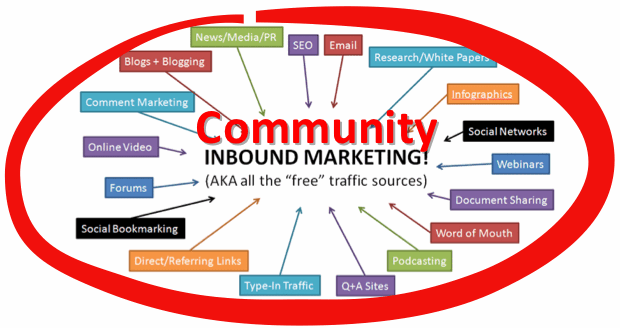
Community Marketing
Community marketing is about building relationships, fostering a sense of belonging, and creating engagement between a brand and its customers. It’s an effective way of tapping into Gen Z’s desire for authenticity, transparency, and connection. By creating a community, brands can establish a sense of belonging, loyalty, and advocacy among their customers.
A lesser-known company that has effectively utilized community marketing is Lush Cosmetics. The brand’s ethical and environmentally friendly approach to beauty, coupled with its focus on customer engagement and user-generated content, has contributed to its success. Lush encourages customers to share their experiences and create content using their products, which they then feature on their social media platforms. This approach has helped create a loyal community of customers who feel invested in the brand’s mission and values.

Strategies for Community Marketing
There are various strategies that brands can use to implement community marketing effectively. Social media engagement is a key component of community marketing, allowing brands to connect with their customers and foster engagement. Engaging with customers through social media platforms such as Instagram, Twitter, and TikTok can help create a sense of community and loyalty.
Influencer marketing is another effective strategy for community marketing. By partnering with influencers who share the brand’s values and mission, brands can leverage their reach and credibility to connect with their target audience. A lesser-known brand that has successfully used influencer marketing is Curology, a skincare brand that partners with influencers to promote their products.
User-generated content is another key component of community marketing. By encouraging customers to create and share content using their products, brands can foster a sense of community and advocacy. One lesser-known company that has effectively utilized user-generated content is Rothy’s, a sustainable footwear brand that features customer-generated content on their social media platforms.
Challenges and Risks
While community marketing can be highly effective, it’s not without its challenges and risks. One of the biggest risks is authenticity concerns. Gen Z is highly attuned to brands’ attempts at inauthenticity and can be quick to call out brands that don’t live up to their values or mission.
Another risk is backlash from customers. In the age of cancel culture, brands that make missteps or engage in controversial behavior can face significant backlash from their customers. It’s essential to be transparent and accountable and to respond quickly and sincerely to any customer concerns or complaints.
To mitigate these risks, brands must be transparent and authentic in their marketing efforts. They must prioritize their values and mission and ensure that their messaging and actions align with them. Brands must also be responsive and proactive in addressing any concerns or issues that arise.

Conclusion
In conclusion, Gen Z is a critical demographic that brands must not overlook. Community marketing is an effective way to connect with Gen Z by fostering a sense of belonging and engagement. To implement community marketing effectively, brands must understand Gen Z’s values, behavior, and preferences. Social media engagement, influencer marketing, and user-generated content are all effective strategies for community marketing. However, brands must also be aware of the risks and challenges associated with community marketing, such as authenticity concerns and backlash from customers. By prioritizing transparency, authenticity, and accountability, brands can create meaningful connections with Gen Z and establish brand loyalty and advocacy.

 Marketing Unplugged
Leave a Reply