


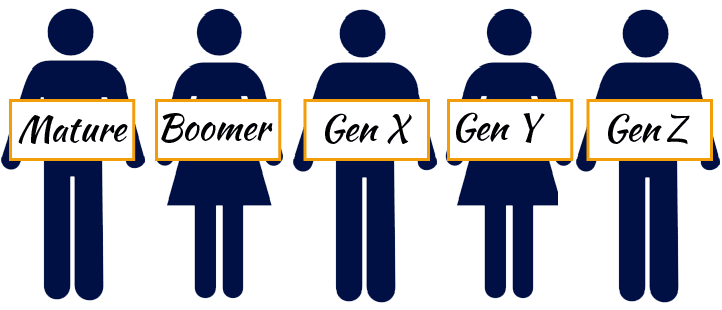
Marketing has always been a complex and ever-evolving field, constantly adapting to new technologies and consumer preferences. In 2023, marketers are faced with the challenge of reaching and engaging with three very different generations: Gen Z, Millennials, and Baby Boomers. With each generation having its unique set of preferences and behaviors, marketers need to navigate a multiverse of marketing strategies to effectively target their audiences.
The Rise of Gen Z in Marketing
Gen Z, born between 1997 and 2012, is the first generation to grow up entirely in the digital age. As such, they have a unique set of preferences and behaviors when it comes to consuming and engaging with marketing content. For example, they tend to be more socially and environmentally conscious than previous generations, and they expect brands to reflect those values in their marketing campaigns.
One example of a company that has successfully targeted Gen Z through social responsibility is the sustainable fashion brand, Reformation. The brand has built its reputation on environmentally conscious practices, such as using sustainable fabrics and minimizing waste in production. They have also partnered with organizations like the National Forest Foundation to plant trees and offset their carbon footprint. By aligning their values with those of Gen Z, Reformation has gained a loyal following among young consumers.
Another effective strategy for engaging with Gen Z is through influencer marketing and user-generated content. This is evident in the success of brands like Glossier, a makeup and skincare brand that has built its reputation through social media and word-of-mouth marketing. Glossier’s marketing strategy relies heavily on influencer partnerships and user-generated content, such as customer reviews and photos, to create a community around their brand. By giving their customers a voice and making them feel like part of the brand, Glossier has established a loyal following among Gen Z consumers.
READ MORE: Gen Z is Changing the Marketing Game: Here’s What You Need to Know

Marketing to Millennials
Millennials, born between 1981 and 1996, are a highly diverse and tech-savvy generation. They are also the largest consumer demographic, with significant buying power. As such, they are a highly sought-after demographic for marketers.
One example of a company that has successfully targeted Millennials through personalized marketing is Stitch Fix, an online personal styling service. Stitch Fix uses a combination of machine learning algorithms and human stylists to curate personalized clothing selections for each customer. By tailoring their marketing to the individual preferences and needs of each customer, Stitch Fix has gained a loyal following among Millennials who value convenience and personalization.
Another effective strategy for engaging with Millennials is through experiential marketing. This is evident in the success of brands like Meow Wolf, an immersive art installation company that has gained a cult following among Millennials. Meow Wolf’s installations are designed to be highly interactive and Instagram-worthy, creating a unique and memorable experience for visitors. By creating an experience that is both entertaining and shareable, Meow Wolf has tapped into the Millennial desire for novel experiences and social media content.

Baby Boomers in Marketing
Baby Boomers, born between 1946 and 1964, are a highly diverse and economically powerful generation. While they may not be as tech-savvy as younger generations, they still represent a significant portion of the consumer market.
One example of a company that has successfully targeted Baby Boomers through traditional advertising is AARP, a nonprofit organization dedicated to serving people over the age of 50. AARP’s marketing campaigns include TV commercials, print ads, and direct mail campaigns that highlight the benefits of membership, such as discounts and access to resources. By using targeted messaging and traditional advertising channels, AARP has successfully engaged with Baby Boomers and established itself as a trusted resource for this demographic.
Another effective strategy for engaging with Baby Boomers is through nostalgia and familiarity. This is evident in the success of brands like J.C. Penney, a department store that has been around since 1902. J.C. Penney has built a reputation as a reliable and affordable department store, with a focus on classic styles and reliable quality. By tapping into the Baby Boomer’s sense of nostalgia and familiarity, J.C. Penney has established a loyal following among this demographic.
Conclusion
In 2023, marketers face the challenge of reaching and engaging with three very different generations: Gen Z, Millennials, and Baby Boomers. Each generation has its unique set of preferences and behaviors when it comes to consuming and engaging with marketing content. To effectively target these audiences, marketers need to navigate a multiverse of marketing strategies, including social responsibility, influencer marketing, personalized marketing, experiential marketing, traditional advertising, and nostalgia and familiarity.
By understanding the values and behaviors of each generation, and tailoring their marketing strategies accordingly, marketers can effectively engage with their target audience and build a loyal following for their brand. The key to success in the multiverse of marketing is to stay adaptable and responsive to the ever-changing landscape of consumer preferences and technology.


 Marketing Unplugged
Leave a Reply