


Data is an essential part of succeeding in business today. The ability to collect, manage, and analyze data can make all the difference when it comes to making informed business decisions. In this article, we will explore the different possibilities for collecting useful data for a business, the uses of data in business, the benefits of different types of data, and the tools available for collecting and analyzing data. We will also discuss the importance of data for businesses of all sizes, as well as the challenges businesses may face in collecting and utilizing data.
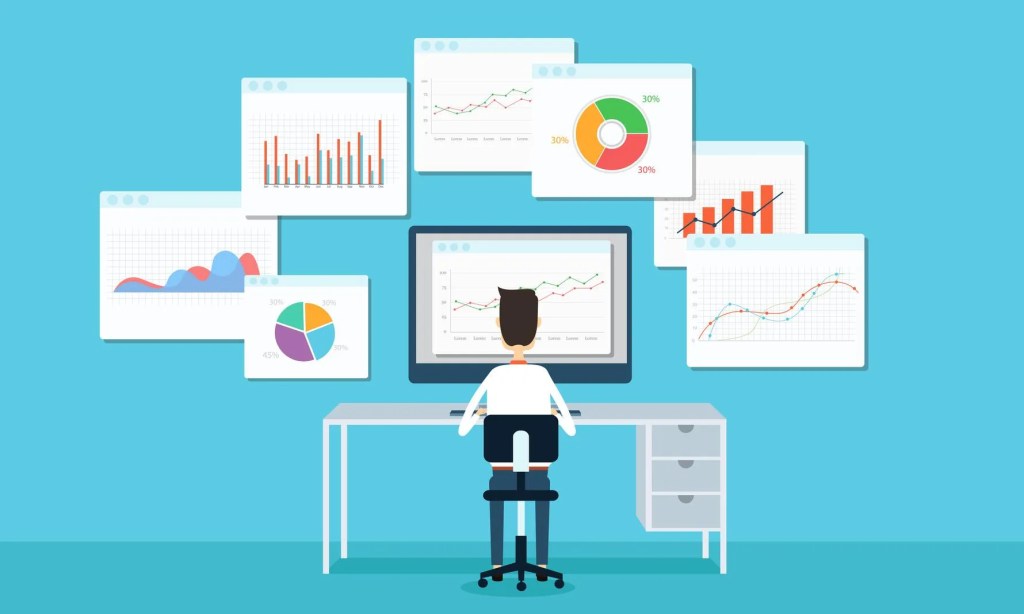
Types of Data and How to Collect Them
There are various types of data that businesses can collect to improve their operations and profitability. One common type of data is customer surveys. By conducting surveys, businesses can gather insights into their customer’s needs, preferences, and behaviors. Surveys can be conducted in various ways, such as through email, phone, or online surveys.
Another way to collect data is through social media monitoring. By monitoring social media channels, businesses can gain insights into what people are saying about their products or services. This can help businesses identify areas for improvement or respond to customer complaints in a timely manner.
Website analytics is another useful way to collect data. By analyzing website traffic, businesses can gain insights into customer behavior, such as how long they spend on the website, which pages they visit, and what actions they take. This data can be used to optimize the website design and improve the user experience.
Sales data is another critical type of data that businesses can collect. Sales data can provide insights into which products are selling well, which sales channels are most effective, and which marketing campaigns are generating the most revenue.
Financial data is another important type of data that businesses can use to make informed decisions. By analyzing financial data, businesses can identify areas for cost reduction, optimize pricing strategies, and forecast future revenue.
Supply chain data is also critical for businesses, especially those in manufacturing and distribution. By analyzing supply chain data, businesses can identify areas for improvement, such as reducing lead times or improving inventory management.

The Uses of Data in Business
Once businesses have collected data, they can use it in various ways to improve their operations and profitability. One common use of data is market research. By conducting market research, businesses can gain insights into their target market, identify customer needs and preferences, and assess the competition.
Another way businesses can use data is in product development. By analyzing customer feedback and sales data, businesses can identify areas for product improvement or new product development. This can help businesses stay ahead of the competition and meet the changing needs of their customers.
Marketing is another area where data can be useful. By analyzing customer data, businesses can identify the most effective marketing channels and strategies, as well as personalized marketing messages to specific customer segments.
Sales is another area where data can be helpful. By analyzing sales data, businesses can identify sales trends, optimize sales strategies, and forecast future sales revenue.
Operations is another area where data can be useful. By analyzing data on supply chain, logistics, and production processes, businesses can identify areas for improvement, such as reducing lead times or improving inventory management.

How Different Types of Data Help Businesses
Different types of data can help businesses in various ways. Let’s explore some of the most common types of data and how they can be used by businesses.
Customer Data
Customer data is perhaps the most important type of data for businesses. This includes data such as demographic information, purchase history, and customer feedback. By analyzing customer data, businesses can gain insights into customer behavior, preferences, and needs. For example, businesses can use customer data to identify their most profitable customer segments, tailor marketing campaigns to different customer groups, and improve customer satisfaction by addressing common pain points.
Sales Data
Sales data includes information about product sales, revenue, and profit margins. By analyzing sales data, businesses can gain insights into which products are selling well, which products are underperforming, and how pricing strategies are impacting sales. This information can help businesses optimize their product offerings and pricing strategies, which can improve profitability.
Web Analytics Data
Web analytics data includes information about website traffic, user behavior, and conversion rates. By analyzing web analytics data, businesses can gain insights into how visitors are interacting with their websites and identify areas for improvement. For example, businesses can use web analytics data to identify pages with high bounce rates, optimize website navigation, and improve conversion rates by implementing best practices for website design and content.
Social Media Data
Social media data includes information about customer sentiment, engagement, and behavior on social media platforms. By analyzing social media data, businesses can gain insights into how customers are interacting with their brand on social media and identify opportunities for engagement. For example, businesses can use social media data to identify popular topics and trends among their followers, engage with customers through social media channels, and improve their brand reputation by addressing customer complaints and concerns.
Operational Data
Operational data includes information about business operations, such as inventory levels, production schedules, and supply chain management. By analyzing operational data, businesses can identify areas for improvement and optimize their operations to reduce costs and improve efficiency. For example, businesses can use operational data to identify bottlenecks in the production process, optimize inventory management, and reduce shipping times by improving supply chain logistics.
By collecting and analyzing different types of data, businesses can gain valuable insights that can help them make informed decisions and gain a competitive advantage in their industry. It is important for businesses to choose the right types of data to collect and use, and to ensure that the data is accurate and up-to-date. With the right data and analysis tools, businesses can make data-driven decisions that can lead to improved profitability, customer satisfaction, and operational efficiency.

Combining Datasets for Better Insights
Combining datasets is one of the most powerful ways to gain deeper insights into business operations and customer behavior. By integrating data from different sources, businesses can identify correlations and patterns that would not be visible from analyzing individual datasets alone. Let’s explore some examples of how combining datasets can help businesses make better decisions.
Customer Data and Sales Data
Combining customer data with sales data can help businesses gain a deeper understanding of customer behavior and preferences. By analyzing customer purchase history, businesses can identify which products are most popular among specific customer segments. This can help businesses optimize their product offerings and marketing strategies to better target these segments. For example, a clothing retailer might notice that a particular customer segment consistently purchases high-end designer brands. By targeting these customers with more personalized marketing campaigns and promotions, the retailer can improve their sales and customer satisfaction.
Web Analytics Data and Social Media Data
Combining web analytics data with social media data can help businesses gain a more complete picture of customer behavior and preferences. By analyzing website traffic and social media engagement, businesses can identify which social media platforms are most effective for driving traffic to their website. For example, a small business might notice that their Facebook and Instagram pages generate the most website traffic, while their Twitter page has little impact. By focusing their social media marketing efforts on Facebook and Instagram, the business can drive more traffic to their website and improve customer engagement.
Operational Data and Sales Data
Combining operational data with sales data can help businesses identify areas for improvement in their supply chain management and production processes. By analyzing production schedules, inventory levels, and sales data, businesses can identify bottlenecks in the production process and optimize inventory management to reduce costs. For example, a manufacturer might notice that a particular product line consistently sells out, leading to lost sales opportunities. By optimizing their production schedules and inventory management, the manufacturer can increase their production capacity and improve profitability.
Customer Data and Social Media Data
Combining customer data with social media data can help businesses identify trends and patterns in customer behavior and preferences. By analyzing customer feedback and social media engagement, businesses can identify which products and services are most popular among specific customer segments. This can help businesses tailor their marketing strategies and product offerings to better meet the needs of their customers. For example, a restaurant might notice that a particular customer segment consistently mentions vegetarian and gluten-free options in their social media posts. By offering more vegetarian and gluten-free options on their menu, the restaurant can attract and retain these customers.
By combining datasets, businesses can gain deeper insights into customer behavior and preferences, optimize their operations and supply chain management, and improve their marketing strategies and product offerings. It is important for businesses to ensure that the data they are collecting and analyzing is accurate and up-to-date, and to use the right analysis tools to gain meaningful insights from the data. With the right data and analysis tools, businesses can make data-driven decisions that can lead to improved profitability, customer satisfaction, and operational efficiency.
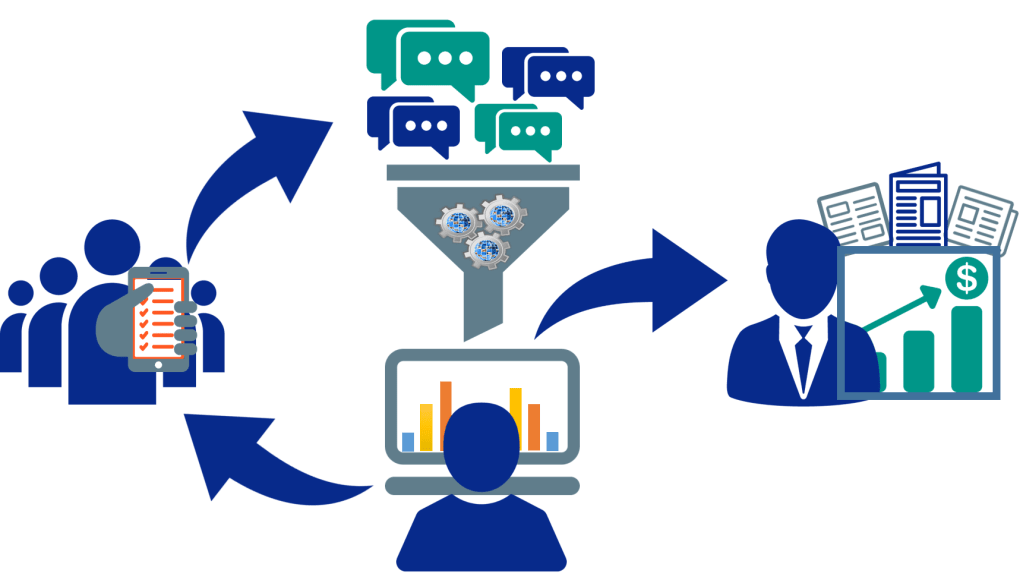
Tools for Collecting and Analyzing Data
There are many tools available for collecting and analyzing data, ranging from simple spreadsheets to complex data management software. The choice of tool depends on the size and complexity of the business, as well as the specific data needs of the business. Here are some examples of tools that businesses can use to collect and analyze data.
Spreadsheets
Spreadsheets are a simple and widely-used tool for collecting and analyzing data. They are ideal for small businesses with relatively simple data needs. Spreadsheets can be used to organize data, perform calculations, and create charts and graphs to visualize the data. Popular spreadsheet software includes Microsoft Excel and Google Sheets.
Customer Relationship Management (CRM) Software
CRM software is designed to help businesses manage customer data, including customer contact information, purchase history, and customer interactions. This software can be used to track customer behavior and preferences, create targeted marketing campaigns, and improve customer engagement. Popular CRM software includes Salesforce and HubSpot.
Web Analytics Tools
Web analytics tools are designed to track website traffic and user behavior. These tools can provide businesses with insights into which pages are most popular, which keywords are driving traffic to the website, and which channels are most effective for driving traffic. Popular web analytics tools include Google Analytics and Adobe Analytics.
Business Intelligence (BI) Software
BI software is designed to help businesses make data-driven decisions by providing insights into key performance indicators (KPIs) and other business metrics. This software can be used to analyze data from multiple sources, including sales data, customer data, and operational data. Popular BI software includes Tableau and Microsoft Power BI.
Social Media Management Tools
Social media management tools are designed to help businesses manage their social media presence, including scheduling posts, monitoring social media activity, and analyzing social media engagement. These tools can provide businesses with insights into which social media platforms are most effective for engaging with customers and driving website traffic. Popular social media management tools include Hootsuite and Sprout Social.
It is important for businesses to carefully evaluate their data needs and choose the right tools to meet those needs. Some tools may require significant investment in time and resources to implement, while others may be more user-friendly and accessible. Additionally, businesses must ensure that they have the proper data governance policies and procedures in place to ensure the accuracy, security, and privacy of their data.
Businesses must carefully choose the tools they use to collect and analyze data. The right tools can help businesses gain insights into customer behavior and preferences, optimize their operations and supply chain management and improve their marketing strategies and product offerings. By leveraging the power of data, businesses can make more informed decisions that can lead to improved profitability, customer satisfaction, and operational efficiency.
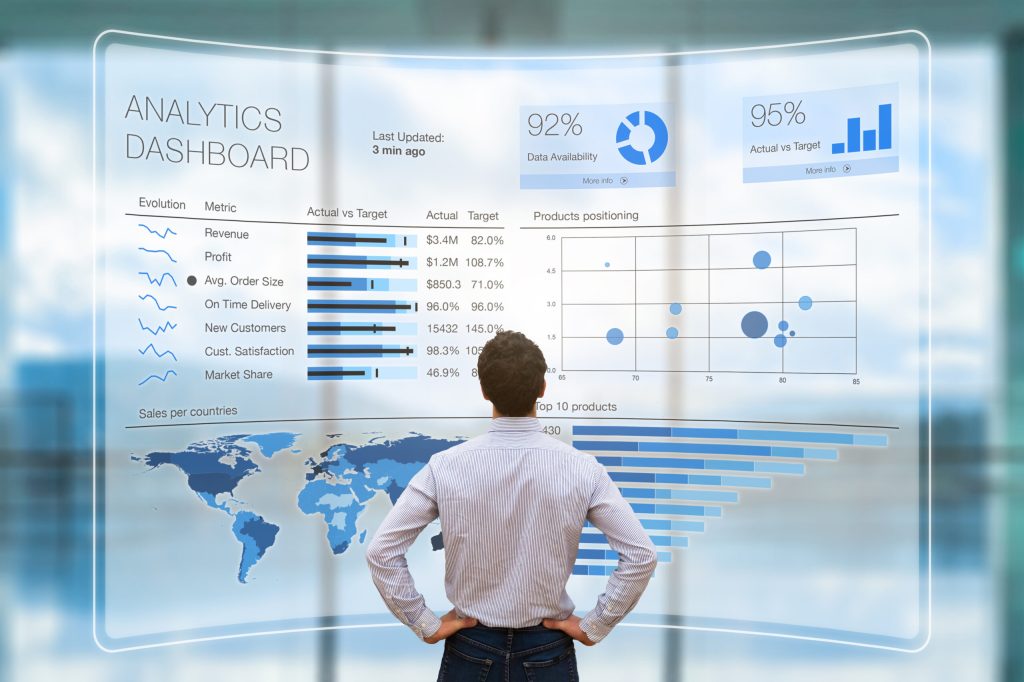
Importance of Data for Businesses of All Sizes
Data is important for businesses of all sizes, from small startups to large corporations. Here are some ways that data can benefit businesses of different sizes:
Small Businesses
Small businesses often have limited resources, which makes it difficult to compete with larger companies. However, by collecting and analyzing data, small businesses can gain insights into their customer’s needs and preferences, which can help them develop more targeted marketing strategies and improve their products and services. For example, a small restaurant could use customer data to determine which menu items are most popular, which days and times are busiest, and which promotions are most effective.
Medium-Sized Businesses
Medium-sized businesses often have more resources than small businesses, but they still face many of the same challenges. By collecting and analyzing data, medium-sized businesses can gain insights into their customers’ behavior and preferences, as well as their own operations and supply chain management. For example, a medium-sized retailer could use data to optimize their inventory management, improve their shipping and logistics processes, and identify new sales opportunities.
Large Businesses
Large businesses often have significant resources and data infrastructure, which can make it easier to collect and analyze data. However, they also face challenges related to data governance, data quality, and data silos. By addressing these challenges and leveraging their data assets, large businesses can gain insights into their operations and customer behavior that can lead to improved profitability, customer satisfaction, and operational efficiency. For example, a large e-commerce company could use data to personalize their marketing campaigns, optimize their pricing strategies, and improve their customer service.
Data is important for businesses of all sizes, as it can provide insights into customer behavior, operational efficiency, and market trends. By collecting and analyzing data, businesses can make more informed decisions that can lead to improved profitability, customer satisfaction, and competitive advantage. It is important for businesses to carefully evaluate their data needs and choose the right tools and strategies to meet those needs.

Challenges Businesses May Face in Collecting and Utilizing Data
While data can provide many benefits to businesses, there are also challenges that organizations may face in collecting and utilizing data effectively. Here are some of the key challenges:
Data Quality
One of the biggest challenges that businesses face when collecting data is ensuring that the data is accurate and reliable. If data is incomplete, outdated, or inaccurate, it can lead to incorrect insights and poor decision-making. To address this challenge, businesses should invest in data quality management processes and tools, such as data cleansing and data profiling, to ensure that their data is clean and reliable.
Data Security
Another challenge that businesses face is ensuring that their data is secure and protected from unauthorized access or data breaches. With the increase in cyber-attacks and data breaches, businesses must take data security seriously and invest in robust security measures, such as data encryption, firewalls, and multi-factor authentication.
Data Privacy
Businesses must also ensure that they are collecting and using data in a way that is compliant with data privacy laws and regulations. With the introduction of GDPR and other data privacy regulations, companies need to ensure that they are collecting data with consent, protecting sensitive data, and providing individuals with the right to access, rectify, or delete their personal data.
Data Silos
Many businesses struggle with data silos, where data is stored in different systems or departments and cannot be easily accessed or integrated. This can lead to duplication of efforts, inconsistent data, and missed opportunities for insights. To address this challenge, businesses should invest in data integration tools and strategies that can bring together disparate data sources and enable cross-functional collaboration.
Data Governance
Another challenge that businesses face is establishing effective data governance practices, including defining roles and responsibilities, establishing data quality standards, and ensuring compliance with data privacy and security regulations. This can be a complex and time-consuming process, but it is critical for ensuring that data is used effectively and ethically across the organization.
While data can provide many benefits to businesses, there are also challenges that organizations must overcome to collect and utilize data effectively. By addressing these challenges and investing in the right tools and strategies, businesses can unlock the full potential of their data and gain a competitive advantage in their industry.
Conclusion
Data is an essential part of succeeding in business today. By collecting and analyzing data, businesses can gain insights into customer behavior, optimize operations, and make informed decisions that can improve profitability. However, businesses must be aware of the challenges involved in collecting and utilizing data effectively, such as data quality, security, and overload. By overcoming these challenges and using data effectively, businesses of all sizes can gain a competitive advantage in today’s marketplace.


 Marketing Unplugged
Leave a Reply