
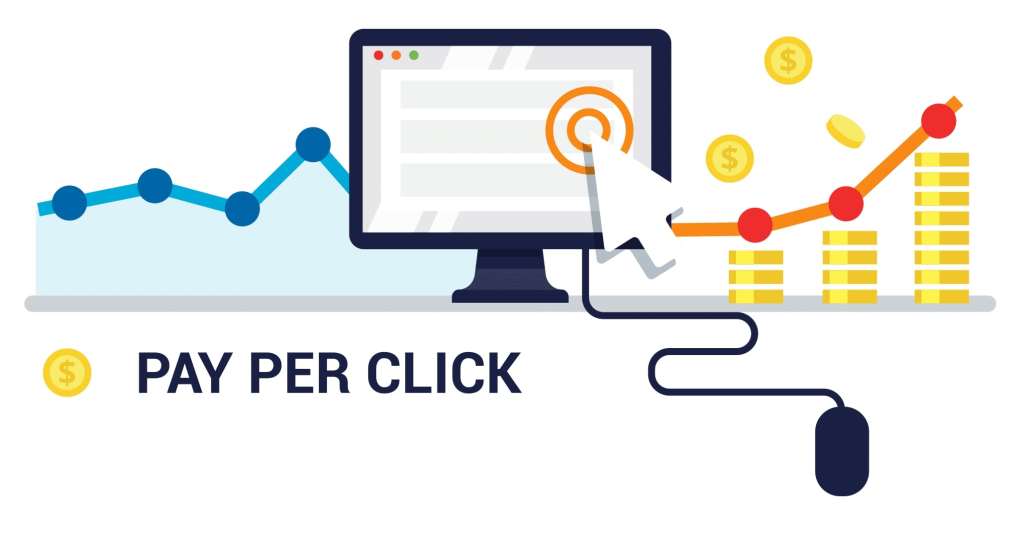

Pay-per-click (PPC) marketing is a powerful way to drive targeted traffic to your website and increase conversions. PPC advertising allows you to bid on specific keywords and phrases related to your business, and then display your ads to users who search for those terms. In order to make the most of your PPC marketing efforts, it’s important to understand the tools, tips, and insights that can help you create a successful campaign.
- Keyword research: Before you start any PPC campaign, it’s important to conduct thorough keyword research. This will help you identify the most relevant and profitable keywords for your business. Google Keyword Planner is a great tool for researching keywords and getting ideas for new ones. For example, if you run a bakery in New York City, you may want to bid on keywords such as “NYC bakery”, “best bakery in NYC”, or “fresh bread NYC”.
- Ad copy: Your ad copy is crucial to the success of your PPC campaign. Your ads should be clear, concise, and persuasive. Use action words and include a call-to-action (CTA) to encourage users to click through to your website. For example, instead of writing “Visit our bakery”, write “Indulge in freshly baked goods at our NYC bakery – Visit now”
- Ad groups: Organize your PPC campaign into ad groups, each with a specific theme or focus. This will make it easier to track performance and make adjustments as needed. For example, you can create an ad group for cakes and pastries, another for bread and rolls, and a third for catering services. This way, you can target specific keywords and write ad copy that is relevant to each group.
- Landing pages: Once users click on your ad, they should be directed to a landing page that is relevant to the ad and the keyword they searched for. Make sure your landing pages are optimized for conversions, with a clear CTA and minimal distractions. For example, if someone clicks on an ad for your bakery’s cakes, they should be directed to a landing page that showcases your cakes and includes a clear CTA to place an order.
- Split testing: Test different versions of your ads and landing pages to see which performs best. Use A/B testing to compare the performance of different ad copy, headlines, images, and other elements. For example, you can test two different headlines for an ad: “Freshly Baked Cakes in NYC” and “Indulge in Our Delicious Cakes – NYC Bakery”. You can then analyze the data and determine which headline performed better.
- Analytics: Use analytics tools to track the performance of your PPC campaign. Google Analytics is a great option, and it can help you track conversions, bounce rates, and other important metrics. For example, Google Analytics can help you track the number of clicks, conversions, and bounce rate from your PPC ads.
- Monitor your competition: Keep an eye on your competitors’ campaigns and strategies. Look at their ad copy, keywords, landing pages, and other elements to get inspiration and new ideas. For example, you can use tools such as SEMrush to see which keywords your competitors are bidding on and which ads are performing well for them.
- Optimize your campaign: Continuously monitor your campaign’s performance and make adjustments as needed. Refine your keywords, ad groups, and targeting to get the best results. For example, if a particular ad group is not performing well, you can try changing the ad copy or targeting a different audience.
- Use remarketing: Remarketing allows you to target users who have already interacted with your website. Use remarketing ads to remind users of your brand and encourage them to come back to your site. For example, if a user visits your bakery’s website but doesn’t make a purchase, you can use remarketing ads to show them ads for your bakery’s special deals or promotions in the hopes that they will return to your website to make a purchase.
- Automation: Use PPC automation tools like Google Ads Scripts, to automate repetitive tasks, bid adjustments, and reporting. These tools can help you save time and effort by automating tasks such as bid adjustments, ad scheduling, and budget management. For example, Google Ads Scripts can automatically adjust your bids based on factors such as day of the week, time of day, and device type to ensure that your ads are reaching the right audience at the right time.
Here is a list of suggested tools for PPC marketing:
- Google Keyword Planner: This tool helps you research keywords and get ideas for new ones. It also provides data on search volume, competition, and suggested bid amounts.
- Google Ads: A platform that allows you to create, manage and optimize your PPC campaigns, including search, display, video, and shopping ads.
- Google Analytics: This allows you to track the performance of your PPC campaign and get insights on user behavior, conversions, bounce rates, and more.
- SEMrush: A tool that helps you monitor your competition, research keywords, and track your campaign’s performance.
- A/B Testing Tools: Tools like Optimizely or Google Optimize can help you test different versions of your ads and landing pages to see which performs best.
- AdEspresso: A tool that simplifies the ad creation process, allowing you to easily create and optimize ads for Facebook and Instagram.
- Bid Management Tools: Tools like Marin Software, Kenshoo, and Acquisio can help you manage your bids across different platforms and devices.
- Remarketing Platforms: Platforms like Google AdWords Remarketing, Facebook Custom Audiences, and Twitter Tailored Audiences can help you target users who have already interacted with your website.
- Google Ads Scripts: Automates repetitive tasks, bid adjustments, and reporting.
- Landing Page Builder: Tools like Unbounce, Leadpages, and Instapage can help you create and optimize landing pages for conversions.
In conclusion, PPC marketing can be a powerful tool for driving targeted traffic to your website and increasing conversions. By using the right tools, tips, and insights, you can create a successful PPC campaign that delivers results. Always be sure to conduct thorough keyword research, write persuasive ad copy, and use analytics to track your campaign’s performance. Also, don’t forget to monitor your competition and optimize your campaign continuously, and also use remarketing and automation tools to make the process more effective.

 Marketing Unplugged
Leave a Reply