


Digital marketing is an ever-evolving field, with new strategies and techniques emerging all the time. While it can be overwhelming to keep up with all of the different types of digital marketing available, it’s important for businesses to have a solid understanding of the different options in order to create an effective online marketing strategy.
In this blog post, we’ll take a comprehensive look at all of the different types of digital marketing, from search engine optimization (SEO) to marketing automation, and everything in between. Whether you’re a seasoned pro or new to the world of digital marketing, this post will provide you with a solid foundation of knowledge to help you navigate the complex and constantly-changing landscape of online marketing.
Here is a list of types of digital marketing with brief explanations:
- Search Engine Optimization (SEO): This type of digital marketing involves optimizing a website so that it ranks higher in search engine results pages (SERPs) for specific keywords. The goal of SEO is to increase organic traffic to a website.
- Pay-Per-Click (PPC) Advertising: This type of digital marketing involves placing ads on search engine results pages or other websites, and paying a fee each time one of the ads is clicked.
- Social Media Marketing: This type of digital marketing involves creating and sharing content on social media platforms in order to achieve marketing and branding goals.
- Email Marketing: This type of digital marketing involves sending marketing messages to customers or prospects through email. The goal of email marketing is to build relationships with customers and drive sales.
- Content Marketing: This type of digital marketing involves creating and sharing valuable, relevant, and consistent content to attract and retain a clearly defined audience. The goal of content marketing is to drive profitable customer action.
- Influencer Marketing: This type of digital marketing involves working with influencers, who have a large following on social media or elsewhere, to promote a product or service.
- Affiliate Marketing: This type of digital marketing involves promoting a product or service and earning a commission for each sale made through a unique referral link.
- Video Marketing: This type of digital marketing involves creating and sharing videos, either on social media platforms or on a company’s website, in order to achieve marketing and branding goals.
- Mobile Marketing: This type of digital marketing involves creating and sharing content that is specifically designed for and targeted to mobile users.
- Marketing Automation: This type of digital marketing involves using software to automate marketing tasks and processes, such as email marketing, social media posting, and ad targeting. The goal of marketing automation is to increase efficiency and productivity while also providing a personalized experience for customers.
Search Engine Optimization (SEO)

Search Engine Optimization (SEO) is the process of optimizing a website in order to improve its ranking in search engine results pages (SERPs) for specific keywords. The goal of SEO is to increase organic traffic to a website by making it more visible in search engine results.
There are several factors that can affect a website’s ranking in search engine results, including:
- Keywords: Including relevant keywords in a website’s content can help it rank higher in search results for those keywords.
- On-page optimization: Ensuring that a website is well-organized and easy to navigate can help it rank higher in search results.
- Off-page optimization: Building high-quality backlinks to a website from other reputable websites can also help it rank higher in search results.
- Technical SEO: Ensuring that a website is technically sound, with fast loading times and no errors, can also help it rank higher in search results.
SEO can be a complex and ever-changing field, and it’s important for businesses to stay up-to-date with the latest best practices in order to get the best results. Some common SEO strategies include keyword research, on-page optimization, off-page optimization, and technical SEO.
Pay-Per-Click (PPC) Advertising
Pay-Per-Click (PPC) advertising is a type of digital marketing in which advertisers place ads on search engine results pages or other websites, and pay a fee each time one of the ads is clicked. PPC ads are typically served to users based on their search queries or the content of the websites they are visiting.
PPC advertising can be an effective way to drive targeted traffic to a website and generate leads or sales. Some of the benefits of PPC advertising include:
- Targeted traffic: PPC ads are served to users based on their search queries or the content of the websites they are visiting, so they are more likely to be interested in the products or services being advertised.
- Measurable results: PPC campaigns can be tracked and measured in terms of clicks, impressions, and conversions, allowing advertisers to see how well their ads are performing and make adjustments as needed.
- Quick results: PPC campaigns can be set up and launched quickly, and changes to campaigns can be made almost immediately, making it a flexible and fast-acting marketing channel.
PPC advertising can be complex, and it’s important for businesses to have a clear understanding of their goals and target audience in order to get the best results. Some common PPC platforms include Google Ads and Bing Ads.
Social Media Marketing
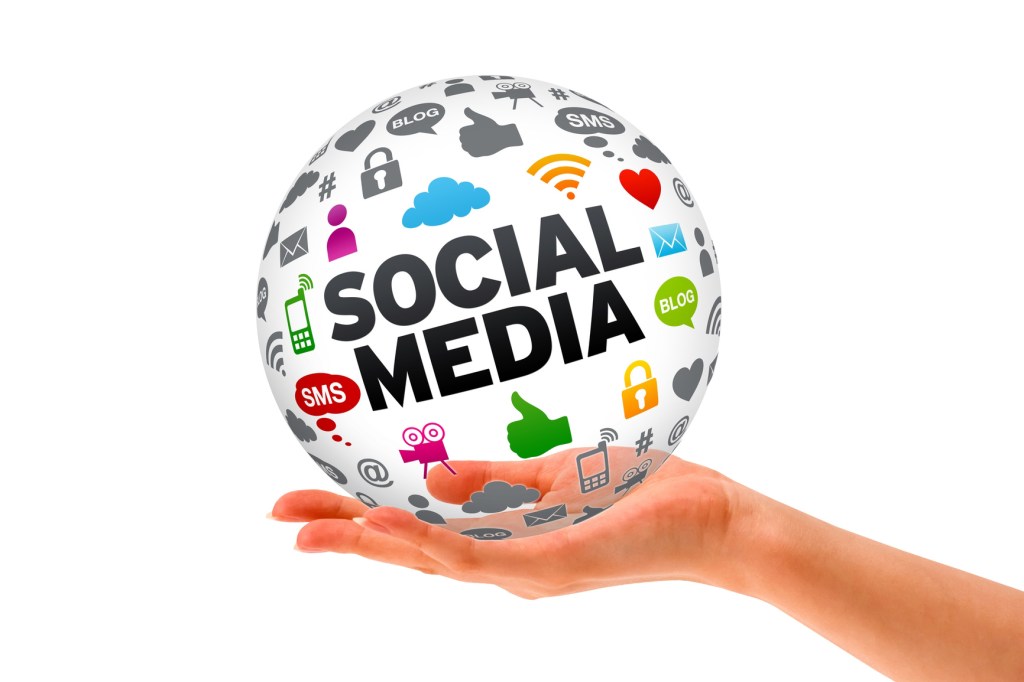
Social media marketing is the process of creating and sharing content on social media platforms in order to achieve marketing and branding goals. Social media platforms include networks like Facebook, Twitter, LinkedIn, and Instagram, as well as newer platforms like TikTok.
Social media marketing can be a powerful way for businesses to connect with their customers and build brand awareness. Some of the benefits of social media marketing include:
- Increased brand awareness: Social media platforms have large and active user bases, making them an effective way to reach a wide audience and increase brand awareness.
- Customer engagement: Social media platforms provide an opportunity for businesses to directly interact with customers and respond to their questions and concerns in real time.
- Targeted advertising: Many social media platforms offer targeted advertising options, allowing businesses to reach specific groups of users based on their interests, demographics, and location.
- Customer insights: Social media platforms can provide valuable insights into customer preferences and behavior, which can be useful for product development and marketing strategies.
Effective social media marketing requires a well-thought-out strategy and a consistent presence on the platforms where a business’s target audience is active. This can involve creating and sharing engaging and valuable content, as well as using paid advertising options to reach a wider audience.
Email Marketing

Email marketing is the process of sending marketing messages to customers or prospects through email. The goal of email marketing is to build relationships with customers and drive sales.
Some of the benefits of email marketing include:
- Cost-effectiveness: Email marketing is generally more cost-effective than other forms of marketing, as it does not require printing or postage costs.
- Targeted messaging: Email marketing allows businesses to send targeted messages to specific groups of customers or prospects, based on their interests or behavior.
- Measurable results: Email marketing campaigns can be tracked and measured in terms of opens, clicks, and conversions, allowing businesses to see how well their campaigns are performing and make adjustments as needed.
- High return on investment (ROI): Email marketing can have a high ROI, with some studies showing that it can generate an average return of $38 for every $1 spent.
Effective email marketing requires a well-thought-out strategy and a targeted email list. This can involve segmenting the email list based on customer interests or behavior, creating engaging and valuable content, and using A/B testing to optimize subject lines and content. It’s also important to comply with email marketing laws, such as the CAN-SPAM Act in the United States, which set out rules for commercial email messages.
Content Marketing

Content marketing is the process of creating and sharing valuable, relevant, and consistent content to attract and retain a clearly defined audience. The goal of content marketing is to drive profitable customer action.
Content marketing can be a powerful way for businesses to attract and retain customers by providing them with valuable and informative content. Some of the benefits of content marketing include:
- Increased brand awareness: By creating and sharing valuable content, businesses can increase their visibility and establish themselves as industry experts.
- Lead generation: By providing valuable content and including calls to action, businesses can generate leads and capture contact information for potential customers.
- Customer engagement: By creating content that resonates with customers and addresses their needs and interests, businesses can increase customer engagement and build loyalty.
- SEO benefits: By creating and sharing high-quality content, businesses can improve their search engine rankings and drive organic traffic to their website.
Effective content marketing requires a well-thought-out content marketing strategy and a consistent publishing schedule. It’s important to identify the target audience and create content that meets their needs and interests, as well as promote the content through various channels to reach a wider audience.
Influencer Marketing

Influencer marketing is a type of digital marketing in which businesses work with influencers, who have a large following on social media or elsewhere, to promote a product or service. Influencer marketing can be an effective way for businesses to reach a larger and more targeted audience, and tap into the credibility and influence of the influencer.
Some of the benefits of influencer marketing include:
- Increased brand awareness: Influencer marketing can help businesses increase their visibility and reach a larger audience.
- Targeted marketing: Influencers often have a highly engaged and specific audience, which can make influencer marketing more targeted and effective than other forms of marketing.
- Trust and credibility: Influencers are perceived as trusted sources of information and recommendations by their followers, which can help increase the credibility of the products or services being promoted.
- Authenticity: Influencer marketing can create a sense of authenticity and transparency, as the influencer is often seen as sharing their own personal experiences with the products or services.
Effective influencer marketing requires identifying and partnering with the right influencers and creating a mutually beneficial partnership. It’s also important for businesses to be transparent about their partnerships with influencers and disclose any sponsored content.
Affiliate Marketing
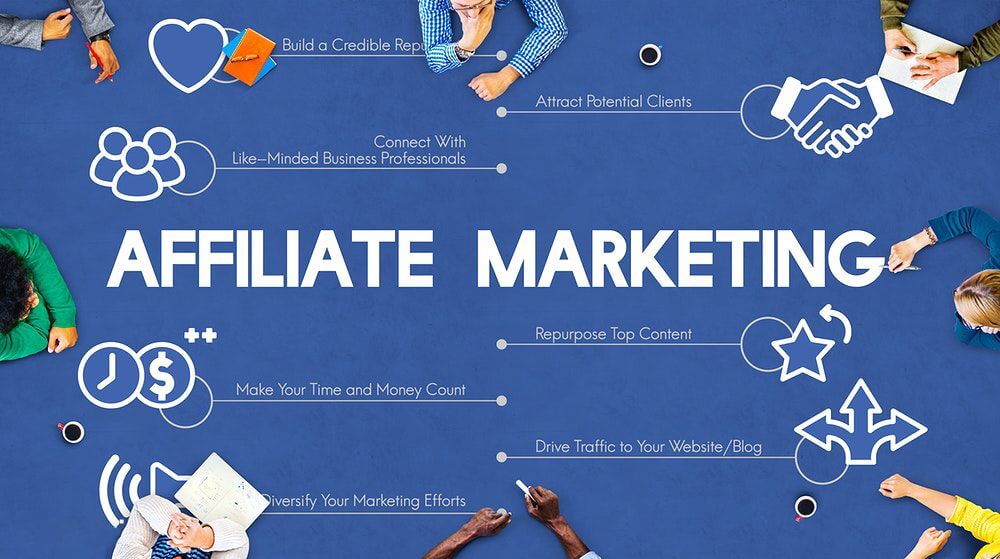
Affiliate marketing is a type of digital marketing in which businesses promote a product or service and pay affiliates a commission for each sale made through a unique referral link. Affiliate marketing can be an effective way for businesses to expand their reach and for affiliates to earn income by promoting products or services they believe in.
Some of the benefits of affiliate marketing for businesses include:
- Increased brand awareness: Affiliate marketing can help businesses increase their visibility and reach a larger audience.
- Cost-effective: Businesses only pay affiliates for actual sales, making it a cost-effective way to drive sales.
- Performance-based: Affiliate marketing is a performance-based marketing channel, which means that affiliates are only paid for actual results.
Some of the benefits of affiliate marketing for affiliates include:
- Passive income: Affiliates can earn income by promoting products or services without having to create their own products or handle customer service.
- Flexibility: Affiliates can choose which products or services to promote and can work at their own pace.
Effective affiliate marketing requires a well-thought-out affiliate program and the recruitment of high-quality affiliates. It’s also important for businesses to track and measure the performance of their affiliate program in order to make adjustments as needed.
Video Marketing

Video marketing is the process of creating and sharing videos, either on social media platforms or on a company’s website, in order to achieve marketing and branding goals. Video marketing can be an effective way for businesses to engage with their audience and share their message in a visual and engaging way.
Some of the benefits of video marketing include:
- Increased engagement: Videos are often more engaging than other forms of content and can be a powerful way to capture the attention of viewers.
- Increased conversions: Including a video on a landing page can increase conversions by up to 80%.
- Improved SEO: Google’s algorithm tends to rank websites with videos higher in search results.
- Increased social media engagement: Videos are often more likely to be shared on social media than other types of content.
Effective video marketing requires a well-thought-out video marketing strategy and the creation of high-quality, engaging videos. It’s also important to consider the distribution of the videos and promote them through appropriate channels in order to reach the target audience.
Mobile Marketing

Mobile marketing is the process of creating and sharing content that is specifically designed for and targeted to mobile users. Mobile marketing can be an effective way for businesses to reach their customers and prospects on the devices they use most, as the vast majority of people now access the internet and social media via mobile devices.
Some of the benefits of mobile marketing include:
- Increased reach: With the widespread use of mobile devices, mobile marketing allows businesses to reach a large and highly targeted audience.
- Personalization: Mobile marketing can be highly personalized, with targeted messaging and advertising based on the user’s location, interests, and behavior.
- Convenience: Mobile marketing allows businesses to reach customers at any time and place, providing them with convenient and timely information.
Effective mobile marketing requires a well-thought-out mobile marketing strategy and the creation of mobile-friendly content. It’s also important to consider the different types of mobile devices and operating systems when designing mobile marketing campaigns and to track and measure the performance of mobile marketing efforts.
Marketing Automation

Marketing automation is the use of software to automate marketing tasks and processes, such as email marketing, social media posting, and ad targeting. The goal of marketing automation is to increase efficiency and productivity while also providing a personalized experience for customers.
Some of the benefits of marketing automation include:
- Increased efficiency: Marketing automation allows businesses to automate repetitive tasks, freeing up time and resources to focus on other marketing efforts.
- Improved customer experience: Marketing automation can help businesses provide a more personalized experience for customers by automating targeted messaging and recommendations based on customer behavior.
- Improved ROI: By automating marketing tasks, businesses can save time and resources, leading to an improved ROI for marketing efforts.
- Increased lead generation: Marketing automation can help businesses generate leads and capture contact information through forms and landing pages.
Effective marketing automation requires a well-thought-out strategy and the use of appropriate marketing automation software. It’s also important to track and measure the performance of marketing automation efforts in order to make adjustments and optimize results.
Charles Lange is an expert in digital marketing with over 20 years of experience and a deep understanding of all of the different marketing methods available. With his extensive knowledge and experience, he would be an invaluable asset for any company looking to increase its revenue through digital marketing.

Lange has a track record of success in driving traffic, leads, and sales for his clients through a variety of digital marketing channels. His in-depth understanding of search engine optimization (SEO) allows him to craft strategies that help websites rank higher in search engine results pages, leading to increased organic traffic and conversions. In addition, Lange is skilled in pay-per-click (PPC) advertising and has a proven track record of driving high-quality traffic and conversions through targeted campaigns on platforms such as Google Ads and Bing Ads.
In addition to his expertise in paid advertising, Lange is also skilled in social media marketing and has a deep understanding of the different platforms and how to effectively reach and engage with audiences on each one. His expertise in content marketing allows him to create valuable and informative content that resonates with target audiences and drives profitable customer action.
Overall, Charles Lange’s extensive experience and deep understanding of digital marketing make him a valuable asset for any company looking to increase its revenue through online channels. His ability to craft and execute effective marketing strategies across a variety of channels makes him an ideal choice for companies looking to boost their online presence and drive growth. Contact Charles.

 Marketing Unplugged
Leave a Reply