


Online retailers are in a unique position when it comes to business. Ecommerce is a fast-growing industry, and the opportunity to tap into the online retail market is growing exponentially each year. This means that the ecommerce landscape today is more competitive than ever. Among other things, that creates a need for online retailers to be on top of their marketing game. In this article, I discuss some proven ecommerce marketing strategies you can implement today to give your online store an edge over competition.

Do not neglect your ecommerce store’s design.
When you’re designing your ecommerce store, keep in mind:
- Make sure it’s consistent with your brand. If your brand is supposed to be modern and tech-forward, then don’t use a design that feels like it was made in 1999.
- Make sure it’s easy to navigate. You should be able to find anything on the site without having to hunt for hours or read through a 500-page manual first (yes, I’ve seen this happen).
- Make sure it’s easy to use. The functionality of your site should be intuitive—for example, if someone wants to buy something from the store but doesn’t know how much it costs or where exactly they can find more information about the product itself, then there’s something wrong with that part of the design!

Optimize your ecommerce store for mobile devices.
If you’re not sure if your site is optimized for mobile devices, use Google’s Mobile-Friendly Test to find out. You can also use the tool to add markup to your existing site to make it accessible on all platforms and devices.

Implement schema markups on all product pages.
It’s important to note that search engines are getting smarter and smarter each year, so the more advanced your strategies are, the better. While schema markups can help you rank higher in search results, they don’t really have an effect on organic traffic—at least not yet. However, they do have a big impact on user experience and conversions. If you want people to convert on your website (and who doesn’t?), use schema markups! They’re easy to implement and benefit both users and businesses alike.

Add reviews to product pages.
Reviews are crucial to the success of your eCommerce store. In fact, customers trust reviews more than any other form of marketing.
If you want to boost your sales and encourage repeat purchases, you need to encourage positive reviews. The best way to do this is by making it easy for customers and incentivizing them to leave reviews in return for something they value. You can also ask them directly with a pop-up or email campaign inviting them to leave feedback about their purchase experience after checkout.

Create a blog for your ecommerce store, and launch a content strategy.
You should consider creating a blog for your ecommerce store, and launching a content strategy. A blog can be used to build relationships with your customers and create an engaging experience on your website. It’s also an opportunity to create content that can be shared across multiple channels, including social media, email marketing, search engine optimization (SEO), and paid advertising campaigns.
Content Types:
- How-to articles – help customers find solutions to their problems
- Case studies – tell stories about satisfied customers or clients who have used your products/services successfully
- Reviews of products/services – share the pros and cons of various offerings available on the market so that potential buyers can make informed decisions
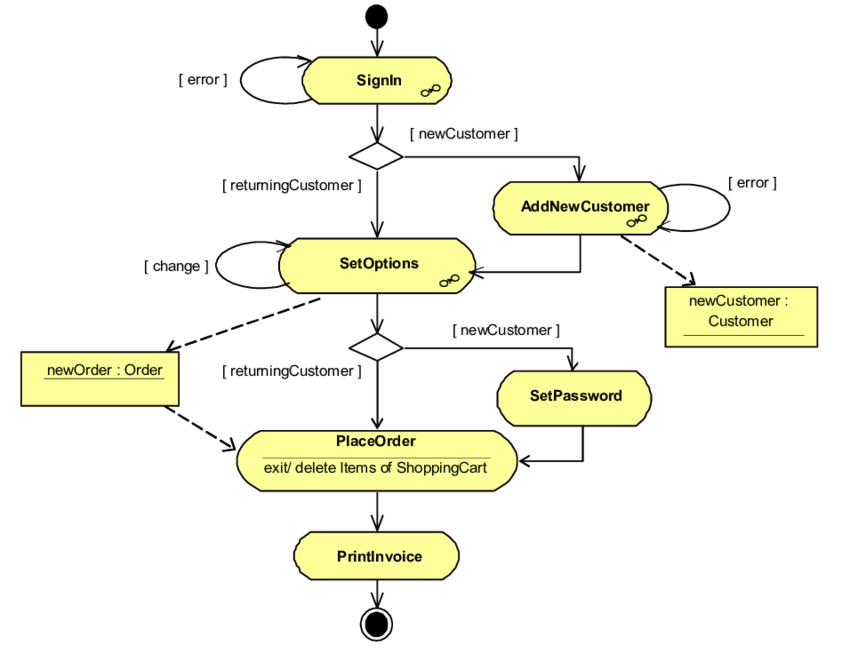
Improve the checkout process of your ecommerce site.
An ecommerce site’s checkout process plays a key role in conversions and user satisfaction. Therefore, it is important to optimize the checkout experience to ensure that users can complete the purchase easily. Follow these best practices:
- Provide a simple and easy-to-use checkout process
- Create a single checkout process for all products with minimal steps
- Ensure your checkout process is secure by using strong encryption technology and users’ personal information such as credit card number is stored encrypted on your servers (if possible)
- Ensure your checkout process is fast by using well-optimized web pages that don’t take too long to load (ideally under 2 seconds)
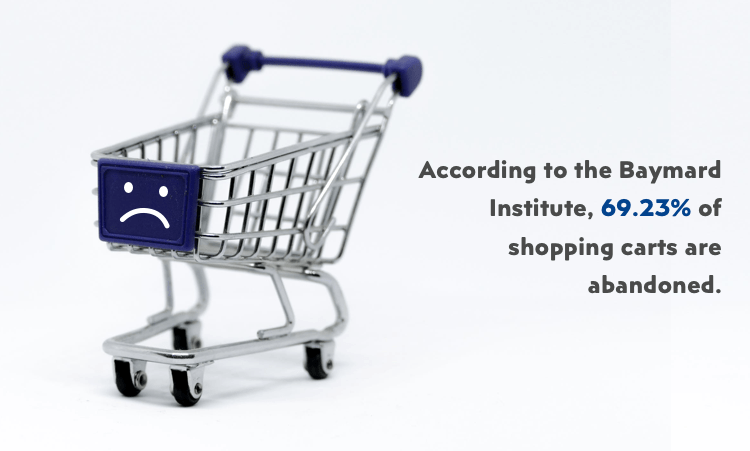
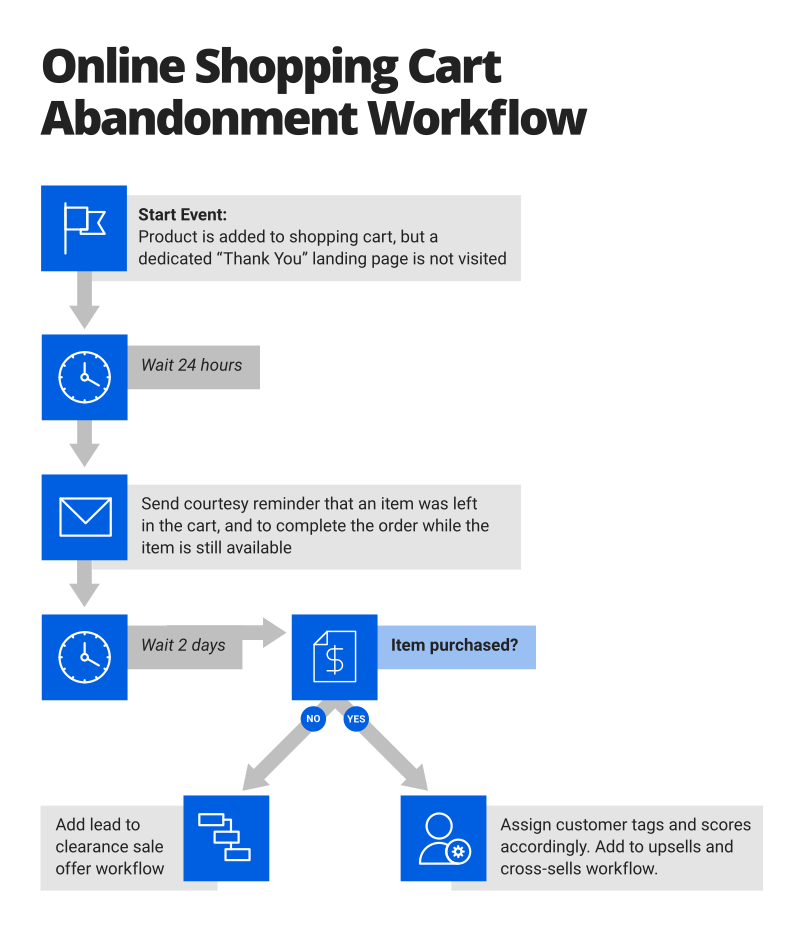
Decrease the cart abandonment rate on your site.
To decrease the cart abandonment rate on your site:
- Offer a discount code. If a particular coupon is unique and offers a good deal, people will take advantage of it.
- Use a countdown timer to encourage expediency in making a purchase decision. A countdown timer that counts down to 20 minutes, for example, can help you reduce the amount of time spent thinking about whether or not to buy something before leaving the site altogether.
- Use social proof to encourage purchases from visitors who are still browsing through your products but aren’t ready yet to make any decisions regarding their purchases (i.e., “Our customers love these!”). This is especially effective when combined with other strategies, such as an automated chatbot response system that uses artificial intelligence technology so that it knows how much money each visitor has already spent during their visit thus far–and then uses this information as part of its conversation with each person who engages with it in order to increase engagement rates overall!

Create an opt-in offer on your ecommerce site.
If you’re looking for a way to increase your email subscribers, then this is one of the best ways to do it. If people are willing to give up their email addresses in exchange for something free, that means they’re interested in what you have to offer. Offering an opt-in offer on your ecommerce site will make sure customers know about the great deals and discounts that are available through signing up with your newsletter list. You can also build an email list by offering new products or services at discounted prices, or by giving away free promotional items such as t-shirts or water bottles with purchase of a product or service.
These strategies will help you get the most out of your online store.
Here are the things that you should be doing:
- Make sure you have a good website. This is probably the most important thing you can do for your business, since it’s the first place potential customers will see and interact with. You need to make sure that your site is easy to navigate, has fast load times, looks professional and reflects well on your brand image. If you don’t have a lot of development skills or experience in building websites, consider hiring someone who does (or contact me!).
- Make sure your SEO is up to par. Search engine optimization (SEO) refers to strategies used by webmasters, so their sites appear higher in search rankings than other sites when consumers search for products or services similar to those they provide. This means they get more traffic from these searches – traffic that could easily turn into sales if they were optimized properly! If this isn’t something that interests you personally but still want extra help growing sales through organic channels, then let’s have a discussion.
Conclusion
Ecommerce marketing strategies are becoming more complex in today’s market. I hope that, at the very least, you’ve been able to get some ideas for how to improve your own site. With that in mind, I’ll leave you with a little quote from Max Levchin, PayPal co-founder and CEO of Affirm: “The very nature of what it is to be a business is changing.”


 Marketing Unplugged
Leave a Reply